






As the human population ages, the medical community is increasingly focused on the unique challenges of geriatric health. One of the most persistent, yet often overlooked, issues is the physiological decline of skin integrity. Older skin is not merely thinner or more fragile; it is biologically "sluggish," characterized by a reduced capacity to recover from minor injuries, surgical incisions, or chronic ulcers.
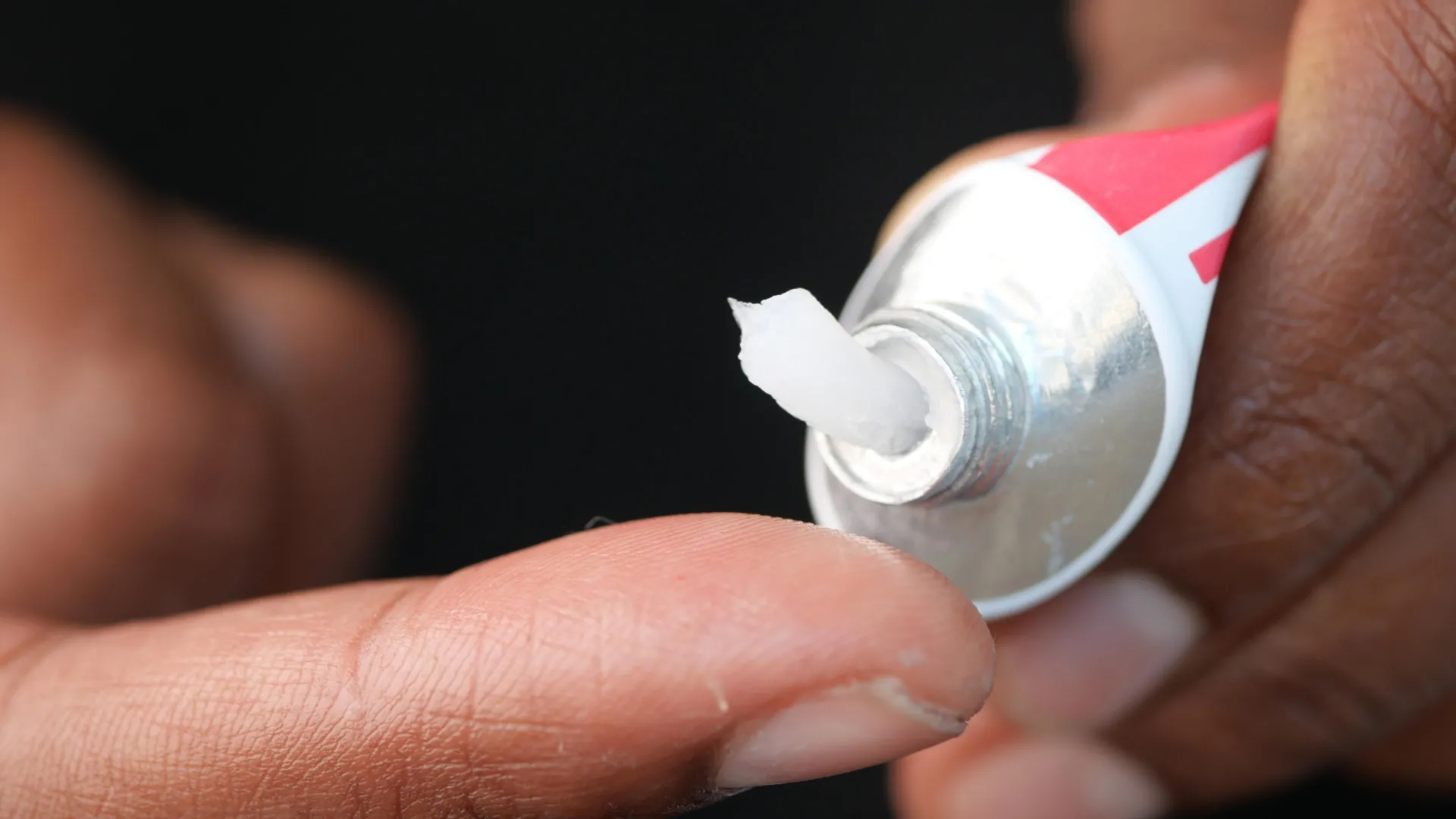
A groundbreaking study published in Aging (Aging-US) has unveiled a potential solution that sounds like something out of science fiction: using "senolytic" drugs to systematically eliminate "zombie cells"—senescent cells that have outlived their usefulness but refuse to die. By applying a topical treatment of the drug ABT-263, researchers at the Boston University Aram V. Chobanian and Edward Avedisian School of Medicine have demonstrated that it is possible to prime aged skin for rapid, efficient healing.
The Mechanism: Why Aging Skin Fails to Heal
To understand the significance of this research, one must first understand the biology of cellular senescence. Throughout a person’s life, cells divide and replicate. Eventually, however, cells reach a limit where they become damaged or stressed. Under normal, youthful conditions, the immune system identifies these compromised cells and clears them away.
As we age, this cleanup process becomes less efficient. These "senescent" cells—often referred to by researchers as zombie cells—persist in the tissue. While they are no longer functional, they are far from inert. Instead, they enter a state of chronic metabolic activity, secreting a cocktail of inflammatory proteins and signaling molecules known as the Senescence-Associated Secretory Phenotype (SASP).
This SASP effectively creates a "toxic environment" for the surrounding healthy tissue. It dampens the regenerative signals required for skin repair, triggers chronic inflammation, and inhibits the production of collagen and elastin. When an older adult suffers a wound, these accumulated zombie cells act as a biological brake, preventing the skin from mounting the vigorous, coordinated response required to close the gap and regenerate tissue.
Chronology of the Discovery
The path to this discovery has been marked by a transition from broad, systemic therapies to targeted, localized interventions.
- Early 2020s: The field of senolytics gained momentum as drugs like ABT-263 were identified for their ability to induce apoptosis (programmed cell death) in senescent cells. However, early research focused on systemic administration (pills or injections), which carried the risk of broad, potentially harmful side effects in healthy, non-senescent tissues.
- The 2024 Boston University Study: Researchers led by Daniel S. Roh and his team hypothesized that a topical application could circumvent systemic toxicity. Using a cohort of aged mice, they applied ABT-263 directly to the skin for five days. The results were dramatic: by day 24, 80% of the treated mice had achieved full wound closure, compared to only 56% in the control group.
- 2025–2026 Advancements: The scientific community built upon these findings. A 2025 review in Ageing Research Reviews solidified the concept of senescence as a primary target for dermatological intervention. By 2026, researchers began testing localized wound dressings infused with ABT-263, specifically targeting the notoriously difficult-to-treat wounds associated with diabetes.
Supporting Data: The Power of Topical Intervention
The data emerging from the Boston University study provides a compelling case for the efficacy of localized senolytics. The most striking metric was the rate of closure in treated vs. untreated subjects.
When the researchers analyzed the skin post-treatment, they found that the drug had effectively "cleared the deck." The reduction in senescent cell markers was palpable, but the real surprise lay in the gene expression profiles. The treated skin showed a significant upregulation in pathways associated with:
- Collagen Synthesis: Essential for providing the structural scaffold for new skin.
- Angiogenesis: The growth of new blood vessels, which is critical for delivering oxygen and nutrients to the wound site.
- Tissue Remodeling: The complex process of rearranging the extracellular matrix to restore skin strength.
Interestingly, the study noted that the drug did not yield the same effects in young mice. This suggests that the therapy is "condition-dependent"—it essentially ignores healthy cells and focuses its effects on the accumulation of senescent cells that are unique to the aged environment. This high degree of specificity is the "holy grail" of regenerative medicine, as it minimizes the risk of off-target effects.
The Inflammation Paradox
Perhaps the most counterintuitive finding in the research was the role of inflammation. Conventional medical wisdom treats inflammation as the enemy, particularly in the context of chronic wounds. However, the application of ABT-263 triggered a transient, short-lived burst of inflammation.
Rather than impeding healing, this burst appeared to act as a "biological alarm clock." It signaled the immune system to wake up and engage in the repair process. By clearing the senescent cells, the drug removed the chronic, low-grade inflammation that hampers healing and replaced it with an acute, productive inflammatory phase. This shift allowed the skin to jumpstart the repair mechanisms that had been dormant for years.
Official Perspectives and Expert Analysis
The researchers, including Maria Shvedova, Rex Jeya Rajkumar Samdavid Thanapaul, and their colleagues, have been measured in their optimism. In their official communication, they emphasized the potential for "preoperative care."
"Our study underscores the potential of topical senolytic treatments to enhance wound healing in aging skin," the researchers stated. This shift in thinking—treating the skin before an injury occurs—could revolutionize surgery. If surgeons could treat the skin of an elderly patient with a topical senolytic a week before a scheduled procedure, the body might be primed for a significantly faster and safer recovery.
However, the academic community remains cautious. A 2024 review in Frontiers in Immunology serves as a necessary reminder that senescence is not inherently "evil." In early-stage wound healing, some degree of senescence is actually required to prevent excessive scarring and to regulate the initial immune response. The challenge for future medicine is the "Goldilocks principle": we must remove enough senescent cells to clear the inflammatory "gunk" without disrupting the delicate balance required for the body’s natural repair cycle.
Implications for Future Healthcare
The implications of this work extend far beyond cosmetic dermatology. The primary burden of slow-healing skin is found in:
- Chronic Wound Management: Diabetic foot ulcers and pressure sores are notoriously resistant to treatment, often leading to infections, systemic illness, or amputation. Localized senolytic dressings could transform the standard of care.
- Surgical Recovery: For the aging population, surgery is often avoided or delayed due to the risk of slow healing and post-operative complications. A topical "primer" could significantly shorten recovery times and reduce hospital stays.
- Dermatological Longevity: By maintaining a healthier cellular environment, these treatments could prevent the thinning and fragility of skin that leads to traumatic tears and persistent wounds in the elderly.
Conclusion: The Road Ahead
While the research published in Aging (Aging-US) and the subsequent 2026 studies offer a beacon of hope, it is crucial to temper excitement with clinical reality. The experiments to date have been conducted primarily on mouse models. The leap to human clinical trials involves significant hurdles, including defining the exact dosage, the optimal frequency of application, and the long-term safety profile of senolytics.
Scientists must also investigate whether these drugs have any unintended effects on the skin’s microbiome or its protective barrier function. Furthermore, the variability of human aging means that a "one-size-fits-all" topical cream may require personalization based on a patient’s unique biological markers.
Despite these challenges, the trajectory of the research is clear. We are moving away from treating the symptoms of aging skin—like wrinkles or dryness—and toward addressing the root cellular causes of dysfunction. By selectively removing the "zombie cells" that hold the aging body back, we are approaching an era where the skin can retain its resilience, allowing older adults to recover from injury with the speed and efficiency of their younger selves. The future of wound healing may not be found in better bandages, but in the intelligent manipulation of the cellular life cycle itself.