








For decades, the medical community has viewed oral health as a specialized field, often siloed from the systemic rigors of oncology. However, a groundbreaking study from Hiroshima University is challenging this perspective, suggesting that the state of a patient’s mouth may offer a profound, objective window into their body’s ability to survive one of the most aggressive diseases in medicine: pancreatic ductal adenocarcinoma (PDAC).
Researchers have discovered that the number of natural teeth a person retains may serve as a significant prognostic marker for long-term survival following surgical intervention for pancreatic cancer. This finding, published in the Journal of Hepato-Biliary-Pancreatic Sciences, adds a compelling layer to the growing body of evidence that systemic health and oral hygiene are inextricably linked.
The Gravity of the Diagnosis
Pancreatic ductal adenocarcinoma remains a formidable challenge in modern medicine. Known for its late-stage presentation and rapid progression, it is often referred to as one of the deadliest malignancies worldwide. Even for those fortunate enough to undergo a curative resection—the surgical removal of the cancerous tumor—the prognosis is frequently poor.
Historically, clinical assessment for pancreatic cancer has focused almost exclusively on tumor biology: the stage of the cancer, the presence of lymph node metastasis, and the success of surgical margins. While these factors remain the bedrock of oncology, the Hiroshima University team, led by Associate Professor Kenichiro Uemura of the Graduate School of Biomedical and Health Sciences, posits that these metrics may be incomplete without considering the patient’s long-term systemic resilience, as reflected in their oral health.
Chronology of the Research
The study, which spanned nearly a decade, was conducted at the Department of Surgery at Hiroshima University Hospital. Between 2014 and 2022, researchers tracked 339 consecutive patients who underwent radical pancreatectomy.
The investigative process was methodical:
- Pre-operative Screening: Every patient was subjected to a comprehensive dental examination prior to their surgery to establish a baseline.
- Quantification of Oral Health: The researchers utilized two primary metrics: the total count of natural teeth remaining and the status of posterior occlusion—the mechanical contact between upper and lower premolars and molars.
- Surgical Intervention: Patients underwent radical pancreatectomy, a complex procedure involving the removal of all or part of the pancreas, sometimes requiring the excision of adjacent organs to clear the malignancy.
- Long-term Monitoring: Post-surgical outcomes were tracked to identify correlations between the baseline dental data and the duration of overall survival.
Supporting Data: A Two-Year Divide
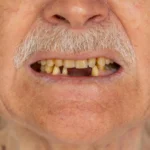
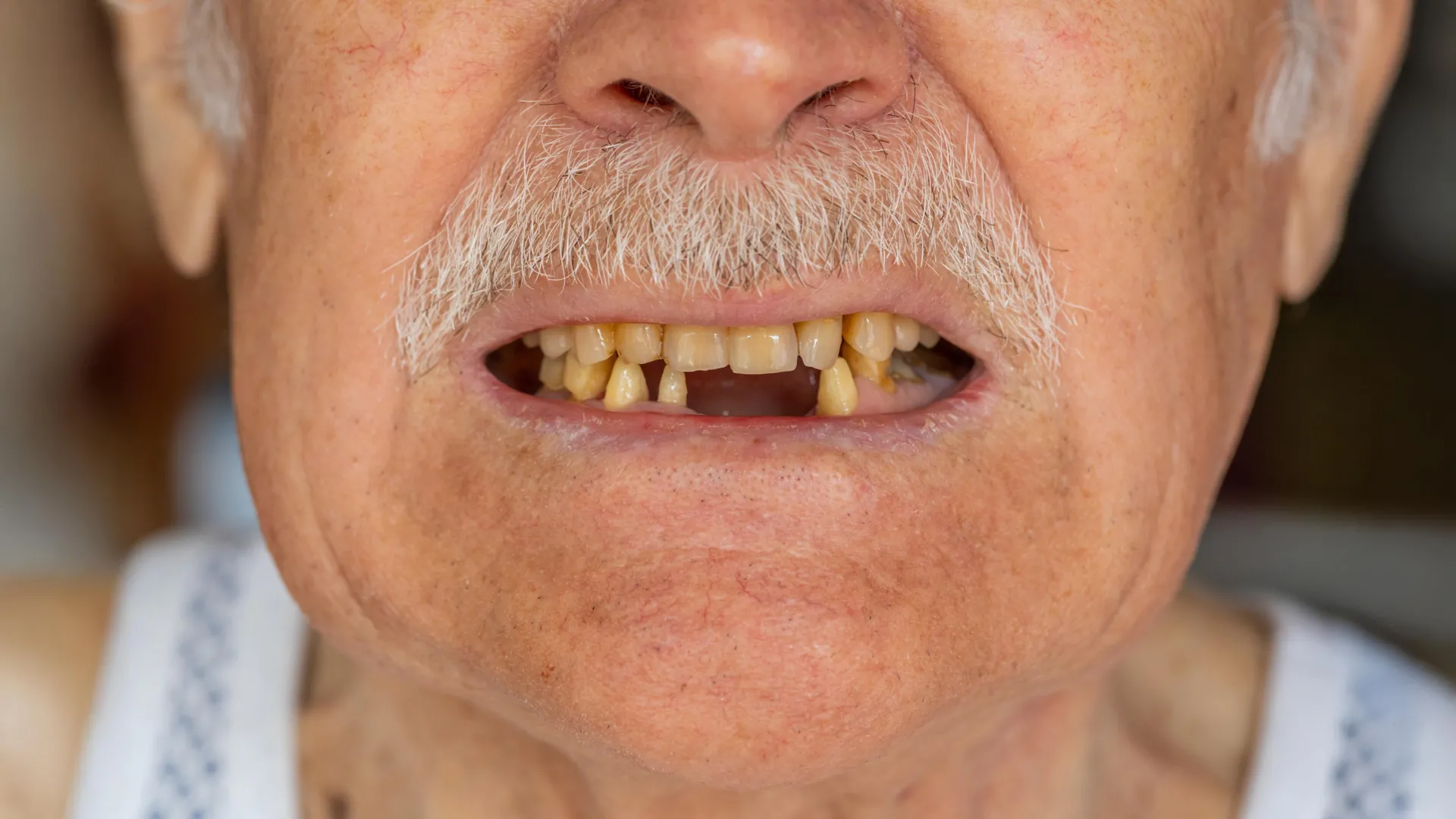
The results of the study were striking. When the researchers compared the cohorts based on their natural tooth count, they found a stark disparity in survival rates. Patients who retained 21 or more natural teeth exhibited a median overall survival of 60.7 months. In contrast, those with 20 or fewer natural teeth saw a median survival of just 39.1 months.
This difference—a gap of nearly two years—remained statistically significant even after the research team adjusted for traditional prognostic factors. The adjustment accounted for variables such as tumor stage, lymph node involvement, the quality of surgical margins, the administration of post-operative chemotherapy, and the patient’s nutritional status.
Interestingly, the study found that chewing function, as measured by posterior tooth occlusion, was not independently associated with survival. This suggests that the number of teeth acts as a proxy for something far more complex than simple masticatory efficiency.
Oral Health as a Mirror of Systemic Resilience
The lack of a correlation between chewing ability and survival led the researchers to a pivotal realization: the number of teeth a person has is likely a longitudinal record of their health.
"One striking finding was the large survival difference between the groups," says Dr. Kenichiro Uemura. "Another surprising finding was that chewing function itself was not independently associated with survival. This suggests that tooth loss may represent more than oral function alone. Instead, it may reflect lifelong chronic inflammation, frailty, nutritional condition, lifestyle factors, and overall systemic vulnerability accumulated over decades."
Dr. Uemura coined a compelling framework for this phenomenon: "The mouth may reflect the body’s long-term resilience."
In this view, tooth loss is not merely an isolated dental ailment. Rather, it is a marker of cumulative biological stress. Factors such as smoking, poor diet, systemic inflammation, and chronic disease—all of which contribute to both tooth loss and poor cancer outcomes—leave a permanent mark on a patient’s oral profile. A mouth with fewer natural teeth may signal a body that has struggled with systemic inflammation and physiological depletion for years, rendering it less capable of mounting a robust recovery after the trauma of a major cancer surgery.
Official Responses and Clinical Implications
The implications for clinical practice are potentially transformative. If oral health is a reliable indicator of systemic resilience, it should be integrated into the perioperative management of cancer patients.
"Our ultimate goal is to establish a new perspective in pancreatic cancer care," Dr. Uemura stated. "Prognosis may depend not only on tumor biology but also on the patient’s long-term systemic condition and oral health environment."
The researchers propose that oral health assessments could eventually become a standard part of "personalized risk stratification." By identifying patients with poor oral health earlier, clinicians might be able to implement more intensive supportive care, optimize nutritional protocols, or adjust treatment plans to better accommodate the patient’s systemic vulnerability.
However, the team remains cautious. Because the study was conducted at a single center and focused exclusively on patients of Japanese ethnicity, the results cannot be immediately generalized to the global population. Further multicenter and international studies are essential to validate these findings across diverse demographics and healthcare environments.
Future Horizons: The Bacterial Connection
Beyond the structural marker of tooth count, the study invites deeper investigation into the biological pathways connecting oral bacteria to cancer progression. Earlier research has already suggested that periodontal pathogens—specifically Porphyromonas gingivalis—may contribute to the initiation of pancreatic carcinogenesis and the acceleration of tumor progression.
The Hiroshima University team aims to build on their current findings by exploring how the oral microbiome interacts with the systemic inflammatory response. If specific pathogens are fueling the progression of PDAC, then maintaining oral health may be more than just a prognostic marker; it could be a therapeutic target to improve post-surgical outcomes.
Conclusion: A New Standard of Care
The study of 339 patients at Hiroshima University Hospital serves as a wake-up call for both oncologists and general practitioners. It suggests that the oral cavity is not an isolated compartment of the human body but a vital component of a patient’s overall physiological profile.
As the medical community continues to strive for personalized medicine, the "mouth-body" connection appears to be a crucial, yet underutilized, resource. By incorporating dental health into the oncology workup, physicians may gain a clearer picture of a patient’s long-term resilience, ultimately leading to more informed treatment decisions and, ideally, better outcomes for those facing the daunting challenge of pancreatic cancer.
The research team, which included Kaoru Seo, Kenjiro Okada, Tatsuaki Sumiyoshi, Ryuta Shintakuya, Shinya Takahashi, Hiromi Nishi, Hiroyuki Kawaguchi, and Yoshiaki Murakami, has set the stage for a new era of integrated care—one where the health of the smile is recognized as a vital indicator of the body’s capacity to heal.