








In a significant leap forward for oncology, an international team of researchers has unveiled a high-resolution "cellular map" of breast tumors, exposing a hidden architecture that may explain why some cancers prove so resilient to treatment. The study, published in the journal Genome Medicine, reveals that breast tumors are not merely amorphous masses of malignant cells; they are highly organized ecosystems containing distinct "neighborhoods" that protect dormant cancer cells from destruction.
The research, conducted by a collaboration between the MRC Laboratory of Medical Sciences (LMS), Imperial College London, and the UCL Genetics Institute, suggests that the traditional focus of chemotherapy—targeting rapidly dividing cells—may be inherently insufficient. By identifying the specific cellular environments that harbor quiescent, or "sleeping," cancer cells, the team has opened a new front in the battle to prevent cancer relapse and long-term tumor progression.
The Landscape of the Tumor: A Complex Microenvironment
For decades, the primary objective of breast cancer treatment has been to halt the rapid proliferation of cancer cells. Chemotherapy and radiation are designed to strike at the mechanics of cell division. However, clinicians have long been haunted by the "hit and run" nature of the disease: a patient may appear cancer-free following treatment, only for the disease to return months or years later, often with renewed aggression.
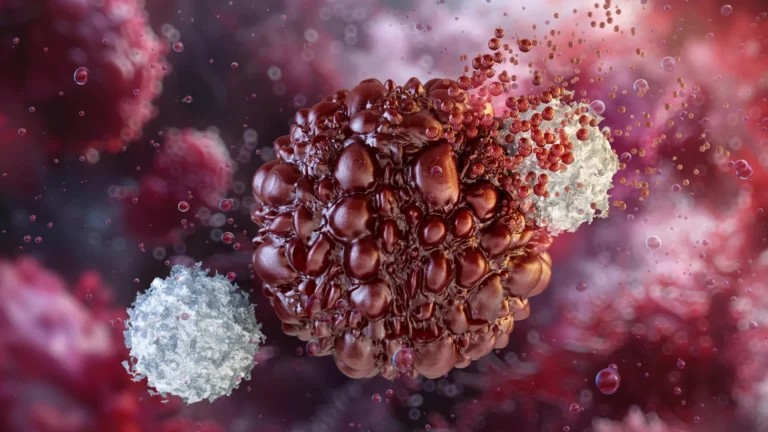
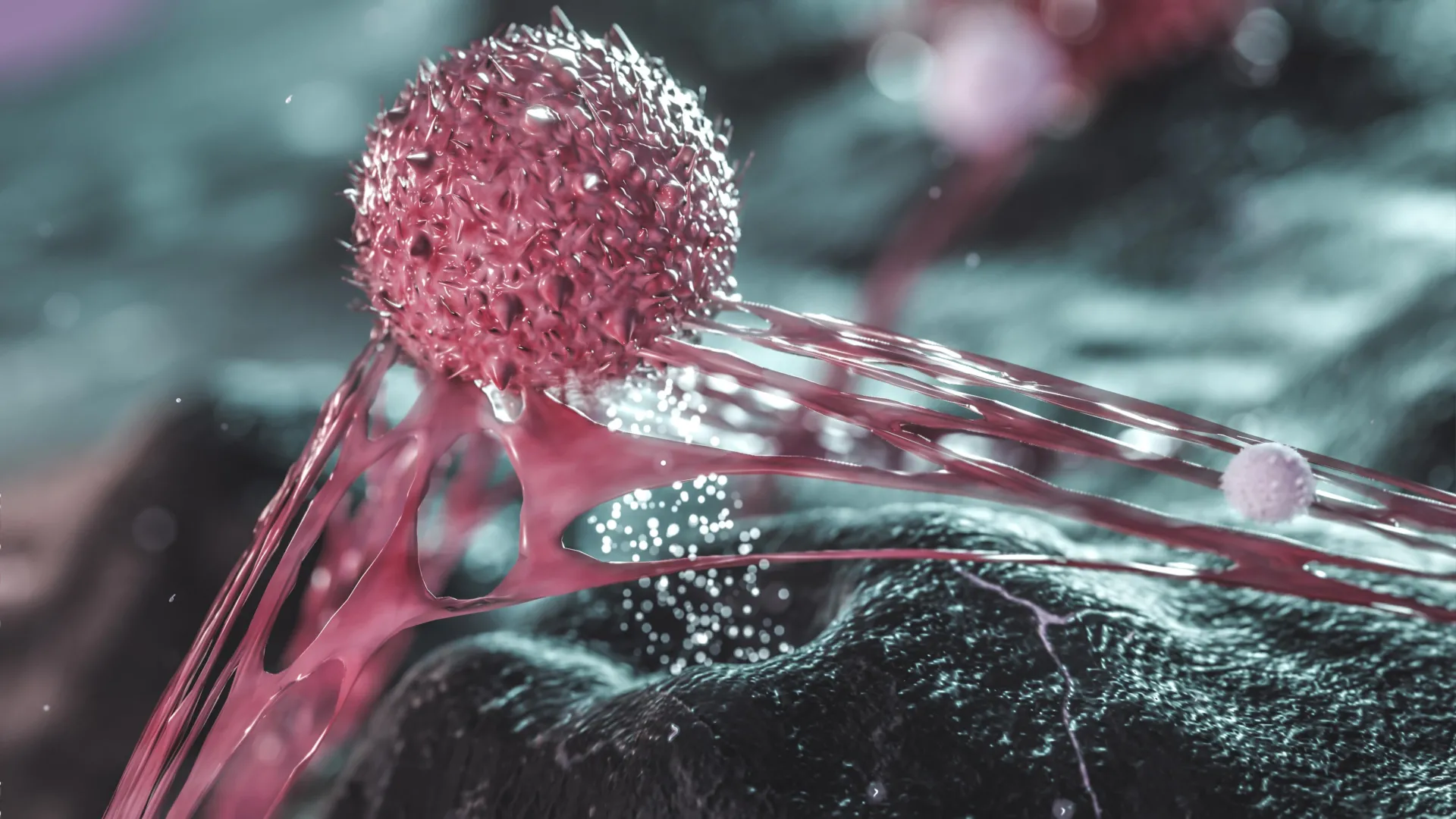
This new study provides a structural explanation for that phenomenon. Researchers found that tumors are composed of diverse cell types, including immune cells, structural fibroblasts, and specialized blood vessels. Within this mix, there exists a clandestine population of quiescent cancer cells. Unlike their rapidly multiplying counterparts, these cells have entered a state of biological hibernation. They are not growing, which renders them largely invisible to conventional chemotherapies that target the cell cycle.
Chronology of the Discovery: From Sequencing to Mapping
The journey to this discovery began with a desire to bridge the gap between computational biology and clinical observation. The research timeline unfolded as follows:
- Data Integration: The research team utilized vast amounts of publicly available, high-throughput sequencing data to create a baseline for breast tumor composition.
- Technological Synthesis: The team combined single-cell RNA sequencing (scRNA-seq)—which identifies the genetic expression profile of individual cells—with spatial transcriptomics. The latter is a cutting-edge technique that allows scientists to see exactly where these cells are positioned within the physical tissue sample and which neighboring cells they are interacting with.
- Identification of Niches: By cross-referencing this data, the team identified distinct clusters of quiescent cells.
- Neighborhood Analysis: The researchers mapped the immediate environment surrounding these quiescent clusters, uncovering a consistent pattern of immune and support cells that appear to act as a "shield."
- Validation: The researchers tested this model across various breast cancer subtypes, discovering that these protective niches exist in both aggressive and slower-growing forms of the disease, challenging previous assumptions that quiescence was only a feature of indolent tumors.
Supporting Data: The Shield of the Dormant Cell
The most striking finding of the study is the "neighborhood" in which dormant cells reside. The researchers identified a recurring association between quiescent cancer cells and two specific types of cells: CXCL10-positive macrophages (immune cells) and myofibroblastic cancer-associated fibroblasts (support cells).
The "Shield" Hypothesis
The data suggests that these neighboring cells are not passive bystanders. Instead, they appear to be recruited by the tumor to create a protective barrier. This barrier functions in two potential ways:
- Physical Protection: By physically surrounding the dormant cells, the fibroblasts and macrophages may block the infiltration of T-cells and the penetration of chemotherapeutic agents.
- Biological Signaling: The proximity of these cells suggests a continuous biochemical dialogue. The researchers hypothesize that the supporting cells may secrete factors that maintain the cancer cells in a state of dormancy, effectively "locking" them in a hibernation phase that ensures their survival through periods of systemic stress, such as chemotherapy.
This finding carries profound implications for drug resistance. If a drug cannot reach the tumor cell because of a surrounding "shield" of fibroblasts, the tumor will inevitably survive, regardless of the drug’s efficacy against the cancer cell itself.
Official Responses and Expert Insights
Dr. Alexis Barr, co-lead author and head of the Cell Cycle Control group at the LMS, emphasizes the danger these cells pose to long-term patient outcomes.
"Quiescent cancer cells are very dangerous," Dr. Barr stated. "These cells can hide from chemotherapy and then remain in this dormant, quiescent state in the tumor, only to later reactivate to drive proliferation."
Dr. Barr draws a poignant comparison to nature: "Much like a bear hibernating through difficult conditions, these cells can remain inactive until the environment becomes more favorable. That opportunity may come after treatment has ended."
Dr. Maria Secrier of the UCL computational biology team, who co-led the research, highlights the surprising nature of the findings regarding treatment resistance. "We found cells that resemble therapy-resistant cells already residing in the tumor before we give any treatment," Dr. Secrier noted. "This suggests that some characteristics associated with treatment resistance may already exist before therapy begins, rather than appearing only as a response to treatment."
Regarding the structural organization of these niches, Dr. Secrier added: "The cancer cells are really encapsulated within these areas of macrophages and fibroblasts that we think act as shields. But we don’t yet know the direction of cause and effect: whether the surrounding cells push cancer cells into dormancy, or if the cancer cells attract or alter their surroundings. It’s very likely a bidirectional process."
Implications: A New Era of Combination Therapy
The findings from the LMS, Imperial, and UCL teams do not just provide a map; they provide a potential roadmap for the next generation of cancer therapeutics. The implications for clinical practice are twofold:
1. Targeting the "Niche" rather than the Cell
If dormant cells are protected by a specific neighborhood of fibroblasts and macrophages, then future therapies could involve "niche-disrupting" drugs. By stripping away the protective shield, these therapies could expose dormant cells to existing chemotherapies or the patient’s own immune system, effectively ending the dormancy.
2. Multi-Targeted Treatment Strategies
The research indicates that the "complement pathway"—a component of the immune system—shows increased activity within these dormant niches. This presents a concrete target for drug development. If researchers can develop inhibitors or modulators for the complement pathway, they might be able to force dormant cells out of their protective state or make them vulnerable to immunotherapy.
3. Precision Medicine and Tumor Mapping
This study underscores the necessity of spatial profiling in clinical oncology. If doctors can determine the prevalence and location of dormant cell niches within a patient’s tumor, they may be able to tailor combination therapies that target both the rapidly dividing cells (using traditional chemotherapy) and the dormant cell populations (using targeted niche-disrupting drugs).
Conclusion: Toward Long-Lasting Control
While these findings are still in the pre-clinical and experimental phase, they represent a fundamental shift in how we understand tumor evolution. By focusing on the "hidden" population of cells that have thus far evaded standard treatment, scientists are moving closer to the goal of long-term disease control.
As Dr. Barr concluded, "It is clearly important to focus on proliferative cancer cells, but we also need to understand this population of quiescent dormant cancer cells. And that’s been less studied."
The work, funded by the UKRI Future Leaders Fellowship, the Medical Research Council, and the Biotechnology and Biological Sciences Research Council, serves as a rallying cry for the oncology community to expand its scope. By mapping the "neighborhoods" of cancer, researchers are finally beginning to see the full picture—and in doing so, they are building the tools necessary to prevent the recurrence that has long plagued breast cancer patients worldwide. The future of cancer treatment may well lie not just in killing the cells that grow, but in dismantling the systems that allow the quiet ones to survive.