









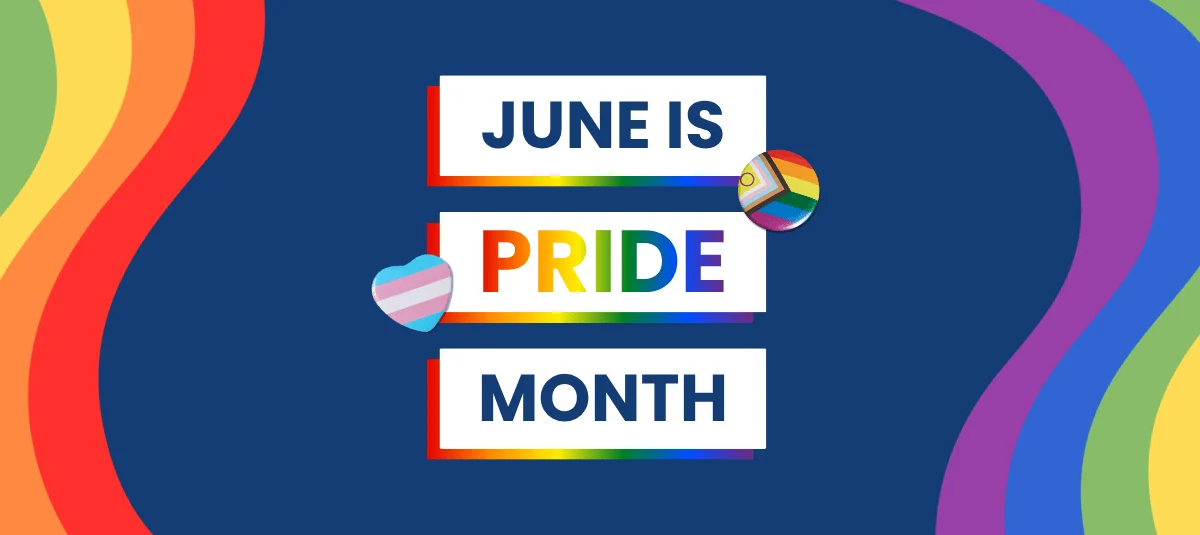
NEW YORK — In the modern landscape of June, cities across the globe are transformed by the vibrant hues of the Progress Pride flag. Parades, festivals, and corporate sponsorships suggest a season of celebratory inclusivity. However, as Active Minds—a leading nonprofit dedicated to youth mental health—reminds us in its 2026 retrospective, the origins of Pride were neither festive nor sanctioned. They were a desperate, radical response to systemic criminalization.
The history of the LGBTQ+ movement is not merely a timeline of legislative victories; it is a profound narrative of mental health resilience. From the smoke-filled corridors of the Stonewall Inn in 1969 to the halls of Capitol Hill in 2026, the journey of the queer community has been defined by a singular, life-saving necessity: the right to exist authentically.
Main Facts: The Intersection of Identity and Survival
Pride Month, observed every June, serves as a dual-purpose commemoration. It is both a celebration of LGBTQ+ life and a solemn reminder of the state-sanctioned violence that once governed the lives of queer individuals. In the mid-20th century, the legal framework of the United States was designed to erase LGBTQ+ identities. State sodomy laws, federal hiring bans during the "Lavender Scare," and restrictive immigration policies created an environment where being "perceived" as queer was a liability that often resulted in imprisonment, institutionalization, or physical brutalization.
In 2026, the conversation has shifted toward the mental health implications of this history. Organizations like Active Minds emphasize that "living authentically is a radical act." This is particularly true for youth and young adults, for whom the struggle for acceptance is inextricably linked to mental wellness. The legacy of Pride is now being carried forward through legislative advocacy, such as the Campus Lifeline Act, which seeks to integrate mental health resources like the 988 Suicide & Crisis Lifeline into the daily lives of students.

Chronology: From the Shadows of 1969 to the Advocacy of 2026
The Era of Criminalization (Pre-1969)
Before the uprising, LGBTQ+ life was lived in the shadows. Under the "three-piece law," individuals could be arrested if they were not wearing at least three items of clothing "appropriate" to their assigned gender. Establishments that served gay patrons were frequently denied liquor licenses, forcing many—including the Stonewall Inn—to be operated by organized crime syndicates to bypass city regulations. Police raids were not an anomaly; they were a routine tool of harassment.
The Stonewall Uprising (June 28, 1969)
The catalyst for the modern movement occurred in the early morning hours of June 28, 1969. NYPD officers, led by Inspector Seymour Pine, conducted a plainclothes raid on the Stonewall Inn in Greenwich Village. While the patrons were accustomed to such intrusions, the atmosphere that night was different. As transgender and gender-nonconforming individuals were targeted for detention, the frustration of the community reached a breaking point.
Instead of dispersing, the crowd resisted. What began as heckling evolved into a full-scale rebellion involving object-throwing and physical confrontation. The uprising lasted for several days, sparking a national conversation about the rights of a community that had been systematically silenced.
The Birth of Organized Pride (1970–1990s)
To commemorate the one-year anniversary of the rebellion, organizers held the first Christopher Street Liberation Day March in 1970. This event, which attracted thousands, is recognized as the first Pride Parade. The momentum from Stonewall led to the formation of the Gay Liberation Front (GLF) and the Gay Activists Alliance (GAA). Over the subsequent decades, these grassroots efforts evolved into national powerhouses like the Human Rights Campaign (HRC), GLAAD, and PFLAG.

The Modern Era: Mental Health and Policy (2020s)
By 2026, the movement has expanded to address the specific vulnerabilities of LGBTQ+ youth. The focus has transitioned from the right to assemble to the right to thrive. Advocacy now centers on "mental health mobilization," recognizing that the trauma of discrimination requires specialized support systems.
Supporting Data: The High Stakes of Visibility
The necessity for Pride and its associated advocacy is underscored by sobering statistics regarding LGBTQ+ mental health. According to data tracked by mental health advocates, LGBTQ+ youth are significantly more likely to experience symptoms of depression and anxiety compared to their cisgender and heterosexual peers.
- Suicide Risk: LGBTQ+ young people are more than four times as likely to attempt suicide than their peers. This is not due to their sexual orientation or gender identity itself, but rather the "minority stress" caused by societal rejection and lack of support.
- The Power of Acceptance: Data shows that LGBTQ+ youth who live in a community that is even moderately accepting report significantly lower rates of suicide attempts.
- The Role of Chosen Family: For many queer individuals, "chosen family"—networks of supportive friends and mentors—serves as a critical buffer against mental health crises. In the drag community, for instance, the tradition of "drag houses" provides housing, mentorship, and emotional stability to performers who may have been rejected by their biological families.
Official Responses: Legislative Action on Capitol Hill
In a significant move to address these disparities, youth leaders recently convened on Capitol Hill to advocate for federally backed mental health support. During a briefing for Mental Health Awareness Month in May 2026, five young advocates shared their lived experiences with legislators in the Rayburn Building.
The centerpiece of this advocacy is the Campus Lifeline Act. Authored with input from Active Minds, this bipartisan bill aims to:

- Mandate Resource Visibility: Require the 988 Suicide & Crisis Lifeline to be printed on all newly issued student ID cards at colleges and universities.
- Expand Federal Investment: Increase funding for youth-informed mental health strategies that prioritize the needs of marginalized groups, including the LGBTQ+ community.
- Destigmatize Help-Seeking: Utilize peer-led models to make mental health support as normalized as physical healthcare.
Ayaan Moledina, a 17-year-old advocate and school board candidate from Texas, emphasized the importance of youth-led policy: "You can’t make effective mental health policy for young people without young people… Students are the ones closest to the problem."
Similarly, Amy Senkerik, a student at Arizona State University, successfully lobbied for the addition of the 988 Lifeline to digital student IDs, arguing that "when we make help easier to find, we give people a better chance."
Implications: The Future of the Movement
The evolution of Pride from a riot to a legislative movement highlights a fundamental shift in how society views identity and wellness. The implications of this shift are threefold:
1. The Intersectionality of Advocacy
The 2026 Pride perspective honors the contributions of Black and Brown transgender women like Marsha P. Johnson and Sylvia Rivera, who were at the forefront of Stonewall. Modern advocacy recognizes that the fight for LGBTQ+ rights cannot be separated from the fight against racism and economic inequality.

2. Authenticity as a Health Imperative
The stories of individuals like Shihori, a professional singer-songwriter who overcame severe bullying and suicidal ideation, illustrate that self-acceptance is a life-saving tool. Her message, "Love Who You Are," has become a cornerstone of mental health empowerment. The implication is clear: social acceptance is not a luxury; it is a clinical necessity for the prevention of self-harm.
3. The Power of "Chosen Family" and Community Spaces
As Pride events continue to grow, the importance of year-round "safe spaces"—such as queer-owned coffee shops, art collectives, and drag venues—cannot be overstated. These spaces provide the "connection" that Active Minds identifies as the antidote to the isolation often felt by queer youth.
Conclusion
As we look back from the vantage point of June 2026, it is evident that Pride remains rooted in the spirit of protest. While the barricades of 1969 have been replaced by the podiums of Capitol Hill, the core mission remains the same: demanding visibility for those who were once criminalized for existing.
Pride is more than a month of celebration; it is a continuous commitment to mental health mobilization. By honoring the legacy of those who fought at Stonewall and supporting the youth leaders of today, we ensure that the radical act of living authentically is met not with violence, but with the support and community every human being deserves.

If you or someone you know is struggling or in crisis, help is available. Call or text 988 or chat at 988lifeline.org to reach the Suicide & Crisis Lifeline.