








For decades, serotonin has been pigeonholed as the body’s "feel-good" chemical. As a primary neurotransmitter, it is the focus of some of the most widely prescribed medications in the world, credited with regulating mood, sleep, and digestion. However, groundbreaking research emerging between 2023 and 2026 suggests that this chemical messenger plays a far more complex—and potentially hazardous—role in the cardiovascular system. Scientists are now investigating whether serotonin, when left to accumulate due to certain genetic factors or pharmacological interventions, may accelerate the deterioration of critical heart valves.
The Heart of the Matter: Understanding the Mitral Valve
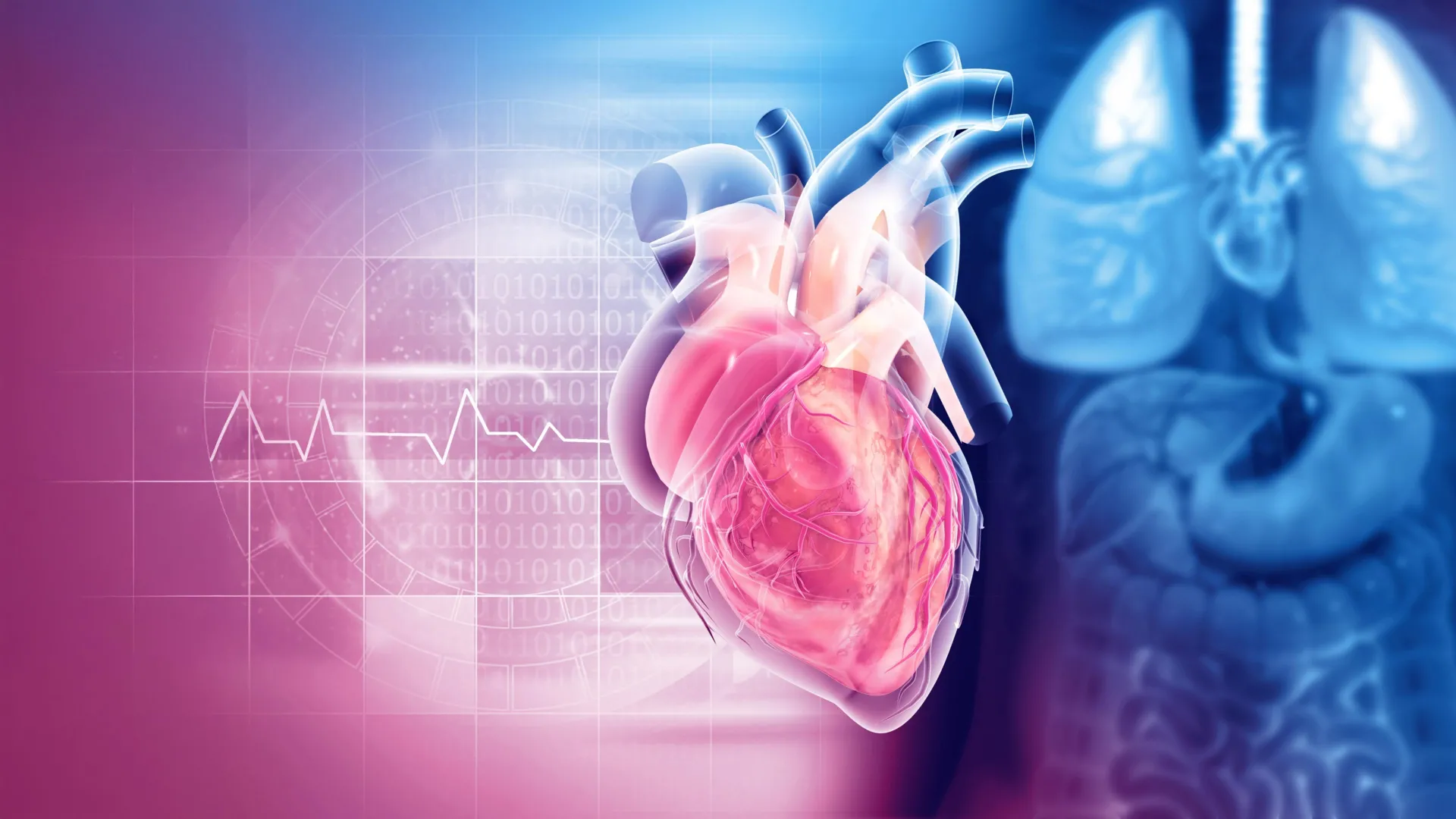
The heart is a masterpiece of biological engineering, relying on four primary valves to ensure one-way blood flow. Central to this system is the mitral valve, located between the left atrium and the left ventricle. During each heartbeat, the mitral valve acts as a gatekeeper, closing firmly to prevent oxygen-rich blood from surging backward into the lungs.
Degenerative mitral regurgitation (DMR) occurs when this valve begins to fail. Over time, the delicate flaps of the valve can thicken, stretch, or warp, preventing a perfect seal. This "leak" forces the heart to work significantly harder to pump blood throughout the body. Left untreated, DMR can lead to severe fatigue, shortness of breath, atrial fibrillation, and ultimately, congestive heart failure. While current medical guidelines rely on echocardiograms and clinical symptoms to monitor progression, the underlying cause of why some valves degenerate faster than others has remained an elusive mystery—until now.
A Chronology of Discovery: From 2023 to 2026
The scientific narrative connecting serotonin to cardiac health has evolved rapidly over the past three years.
2023: The Columbia and CHOP Breakthrough
The journey began in 2023 with a landmark study published in Science Translational Medicine. Led by Dr. Giovanni Ferrari of Columbia University and Dr. Robert J. Levy of the Children’s Hospital of Philadelphia (CHOP), the study hypothesized that the serotonin transporter (SERT)—the protein responsible for "cleaning up" serotonin after it sends a signal—might play a protective role in the heart.
The researchers analyzed clinical data from over 9,000 patients who had undergone mitral valve surgery. Their findings were striking: patients taking Selective Serotonin Reuptake Inhibitors (SSRIs)—medications that inhibit SERT activity—required surgical intervention for DMR at a significantly younger age than those who were not on the medication.
2024: Fibrosis and Cellular Mechanisms
In 2024, the investigation deepened. Researchers discovered that mice lacking the SERT gene were more susceptible to fibrosis, the process by which healthy tissue is replaced by stiff, scar-like collagen. This study identified a specific receptor, HTR2B, as a primary driver of this damaging response. It suggested that when serotonin is not properly reabsorbed, it overstimulates these receptors, essentially "signaling" the valve tissue to grow thicker and stiffer.
2025: Expanding the Scope to Aortic Stenosis
By 2025, the research expanded to include the aortic valve, which regulates blood flow out of the heart. A study of 76 patients found that those suffering from severe aortic stenosis exhibited higher systemic levels of serotonin compared to age-matched controls. This confirmed that the "serotonin effect" was not limited to the mitral valve, suggesting a systemic pathway that could affect multiple cardiac structures.
2026: Toward Potential Therapeutics
In early 2026, the research reached a new milestone. A study comparing diseased aortic valves to healthy ones showed a consistent reduction in SERT expression in the diseased tissue. Furthermore, researchers successfully tested an experimental compound that blocks HTR2B receptors in mice, which helped preserve valve structure and improved blood flow. Simultaneously, a meta-analysis confirmed an association between SERT-modifying drugs and an increased risk of heart valve disease, solidifying the need for a closer look at these common medications.
The Genetic Variable: Why Some Are More Vulnerable
A crucial piece of the puzzle lies in the 5-HTTLPR region of the SERT gene. This genetic region controls the "volume" of the serotonin transporter. Researchers identified a "long-long" genetic variant that results in naturally lower SERT activity.
In laboratory settings, cells possessing this "long-long" variant were found to be hypersensitive to serotonin, producing excessive amounts of collagen when exposed to the chemical. These cells also reacted more strongly to fluoxetine (Prozac), suggesting that for patients with this genetic profile, the use of SSRIs might inadvertently create a "perfect storm" for valve remodeling.
Official Perspectives and Clinical Caution
Despite the compelling evidence, the medical community maintains a stance of cautious optimism. Dr. Giovanni Ferrari has been vocal about the distinction between correlation and causation. "A healthy mitral valve can probably stand low SERT activity without deforming," Ferrari notes. "It is unlikely that low SERT can cause degeneration of the mitral valve by itself. SSRIs are generally safe for most patients."
The consensus among major cardiology institutions is that the findings do not justify the cessation of antidepressant medication. Mental health is a vital component of overall physical wellness, and the risk of unmanaged depression must be weighed against the theoretical risk of valve progression. Currently, there is no standardized genetic testing for 5-HTTLPR in clinical practice, and experts emphasize that existing guidelines—focused on imaging, anatomy, and heart function—remain the gold standard for patient care.
Implications for Future Cardiology
The discovery of the serotonin-valve connection opens several doors for the future of heart disease management:
- Precision Medicine: If genetic screening for the 5-HTTLPR variant becomes accessible, doctors could identify "high-risk" patients who require more frequent echocardiograms. This would allow for earlier surgical intervention before the heart muscle sustains permanent, irreversible damage.
- Novel Pharmacological Targets: The identification of the HTR2B receptor as a culprit offers a new "druggable" target. Researchers are hopeful that future therapies could block the fibrotic pathway triggered by serotonin without disrupting the neurotransmitter’s essential functions in the brain.
- Medication Management: For patients with existing valve degeneration, clinicians might eventually consider prescribing non-SSRI antidepressants to avoid further inhibiting SERT activity in the heart, provided such alternatives are effective for the patient’s psychiatric needs.
Conclusion: A Compelling Path Forward
The research published since 2023 serves as a profound reminder of the interconnectedness of human biology. What we once viewed as isolated systems—the brain’s mood regulation and the heart’s mechanical function—are linked by a single chemical messenger.
For the millions of people living with degenerative valve disease, these findings provide a clearer understanding of why their condition may be progressing. However, the message remains clear: do not alter your medication regimen based on these studies. The transition from these laboratory and observational findings to clinical practice requires rigorous human trials, validation of genetic screening, and the development of targeted therapies.
As the scientific community continues to map the serotonin-cardiac pathway, patients should continue to prioritize regular follow-ups with their cardiologists. The future of heart valve care may well lie in our DNA and our ability to precisely modulate the signals that govern our cells, but for now, the most powerful tool remains the vigilant, evidence-based care provided by the medical professionals who monitor our hearts every day.