









For many individuals over the age of 60, the evening hours—ideally reserved for wind-down and relaxation—are often overshadowed by the persistent ache of stiff joints and muscle tension. While the natural inclination when experiencing discomfort is to retreat to the sofa, experts suggest that intentional movement may be the most effective remedy. Far from requiring an intense workout, a gentle, evening-specific stretching routine can serve as a vital tool for improving mobility, reducing pain, and facilitating deeper, more restorative sleep.
The Science of Softening: Why Stretching Matters After 60
As the body ages, the physiological response to stress and physical activity shifts. Chronic tension often becomes a secondary symptom of our daily lives, manifesting as shortened muscles and compressed joints. Portia Page, a renowned Balanced Body Educator and Nationally Certified Pilates Teacher (NCPT), frames the practice of stretching not merely as a physical exercise, but as a biological "love letter" to the nervous system.
"Where a glass of wine may take the edge off by slowing your brain with alcohol, stretching coaxes your body into a parasympathetic state—your ‘rest and digest’ mode—without the hangover," Page explains.
When you engage in deliberate, slow-paced stretching, you are effectively signaling safety to the brain. This shift from a sympathetic ("fight or flight") state to a parasympathetic one is crucial for those navigating the challenges of aging. As the muscles lengthen, the body experiences a "softening effect." This process reduces the production of cortisol, the primary stress hormone, while simultaneously encouraging the release of melatonin and serotonin—the hormones responsible for sleep and emotional well-being. Furthermore, the practice improves circulation, gently warming the body and preparing the physiological systems for the transition into sleep.
Chronology of a Nighttime Routine: Seven Essential Moves
To derive the maximum benefit from these stretches, they should be performed in a sequence that gradually transitions the body from an upright position toward a fully reclined, relaxed state.
1. Seated Neck Rolls: Releasing Daily Tension
The neck and upper trapezius muscles are primary storage sites for stress. By gently rolling the head in controlled arcs, you can release the tension that accumulates from staring at screens or maintaining poor posture during the day. This movement sets the tone for the entire session by focusing the mind on the breath.
2. Shoulder Rolls and the Arm Cross Stretch
Upper body stiffness can significantly impede the quality of sleep, particularly for side sleepers. Shoulder rolls loosen the scapular muscles, while the arm cross stretch provides a deep release for the deltoids. Performing these moves before bed helps to "drop" the shoulders away from the ears, physically encouraging a more relaxed posture.
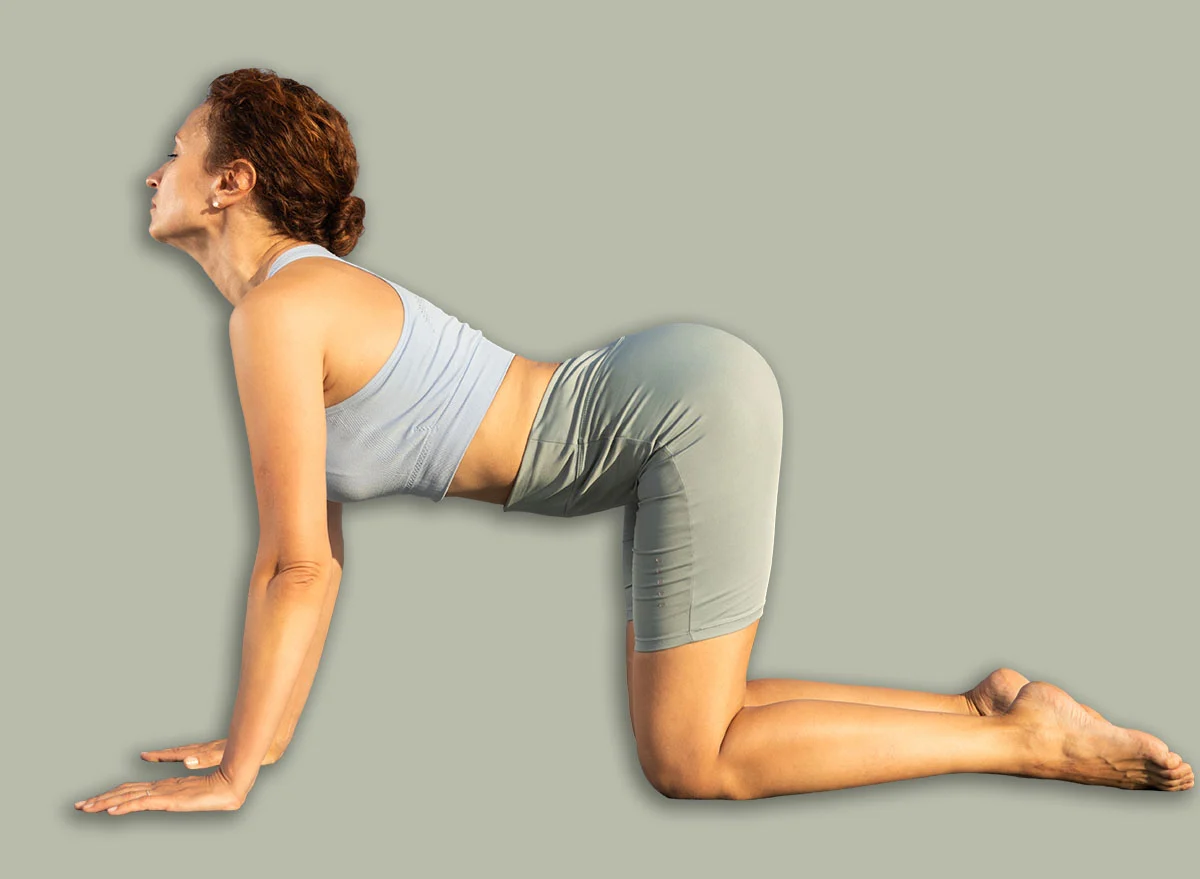
3. The Cat-Cow Sequence
A staple of Hatha yoga, the Cat-Cow transition is perhaps the most effective way to mobilize the spine. By alternating between arching the back (Cow) and rounding it (Cat), you stimulate the spinal nerves and release the connective tissues surrounding the vertebrae. For those over 60, this fluid motion is essential for maintaining the integrity of the spinal column and reducing morning stiffness.
4. Child’s Pose with Side Reach
Child’s Pose is the ultimate restorative posture. By adding a lateral reach, you target the latissimus dorsi and the oblique muscles. This side-body opening creates space in the rib cage, allowing for deeper, more diaphragmatic breathing—a key prerequisite for entering REM sleep.
5. Figure Four Stretch
Targeting the piriformis and the gluteal muscles, the Figure Four stretch is vital for anyone experiencing lower back pain or hip tightness. By crossing one ankle over the opposite knee while lying down, you can safely open the hip joints, alleviating the common aches that often keep older adults awake at night.
6. Recline Twist
Twisting movements gently massage the internal organs and stretch the deep musculature of the lower back. The Recline Twist, performed by dropping the knees to one side while keeping the shoulders grounded, provides a safe, passive stretch that helps "wring out" the remaining tension of the day.
7. Legs-Up-The-Wall (Viparita Karani)
This final move is the ultimate closer for a nighttime routine. By elevating the legs against a wall, you utilize gravity to improve venous return and lymphatic drainage. This pose is medically recognized for its ability to lower blood pressure and calm the central nervous system, making it an ideal "final act" before slipping into bed.
Supporting Data: Mobility and Longevity
The correlation between regular, low-impact stretching and improved longevity is well-documented in geriatric health studies. According to the Journal of Physical Therapy Science, consistent flexibility training in older adults is associated with a lower incidence of falls, improved gait speed, and, crucially, a higher reported quality of life.
When joints are stiff, the body compensates by altering its movement patterns, which often leads to secondary pain in other areas of the body. By dedicating 15 to 20 minutes before bed to these seven movements, individuals can interrupt this cycle of compensation. The goal is not to achieve extreme flexibility, but to achieve functional range of motion that allows for pain-free movement during the day and uninterrupted rest at night.
Implications for Holistic Health
The implications of adopting a consistent nighttime stretching routine extend far beyond temporary pain relief. By intentionally transitioning into a parasympathetic state, individuals are practicing a form of "preventative mental health."
Many people over 60 struggle with "sleep-onset insomnia," where the racing thoughts of the day prevent the brain from switching off. The rhythmic nature of these stretches provides a focal point for the mind, acting as a meditative bridge between the demands of the day and the sanctuary of sleep. As Portia Page notes, "It signals to your body, ‘Hey, it’s safe now, let go and stretch.’"
Expert Recommendations and Safety Precautions
While these stretches are generally considered safe and effective, they should always be performed with mindfulness. If you have existing medical conditions, particularly those involving spinal instability, osteoporosis, or severe joint arthritis, it is essential to consult with a physical therapist or healthcare provider before beginning a new routine.
Best Practices for Success:
- Consistency over Intensity: You do not need to force a stretch to the point of pain. If you feel "good" discomfort (a mild pulling sensation), that is sufficient.
- Breathwork: Match your movement to your breath. Inhale to prepare, exhale to move into the stretch. This synchronicity is what triggers the nervous system to relax.
- Environment: Perform these moves in a dimly lit, quiet room. This reinforces the psychological cue that the day is over and the rest period has begun.
By integrating these seven movements into your daily rhythm, you are not merely addressing joint pain; you are investing in a more sustainable, comfortable, and rested future. The "softening effect" offered by this routine is a powerful, drug-free intervention that can fundamentally change how you experience your golden years—one stretch at a time.