





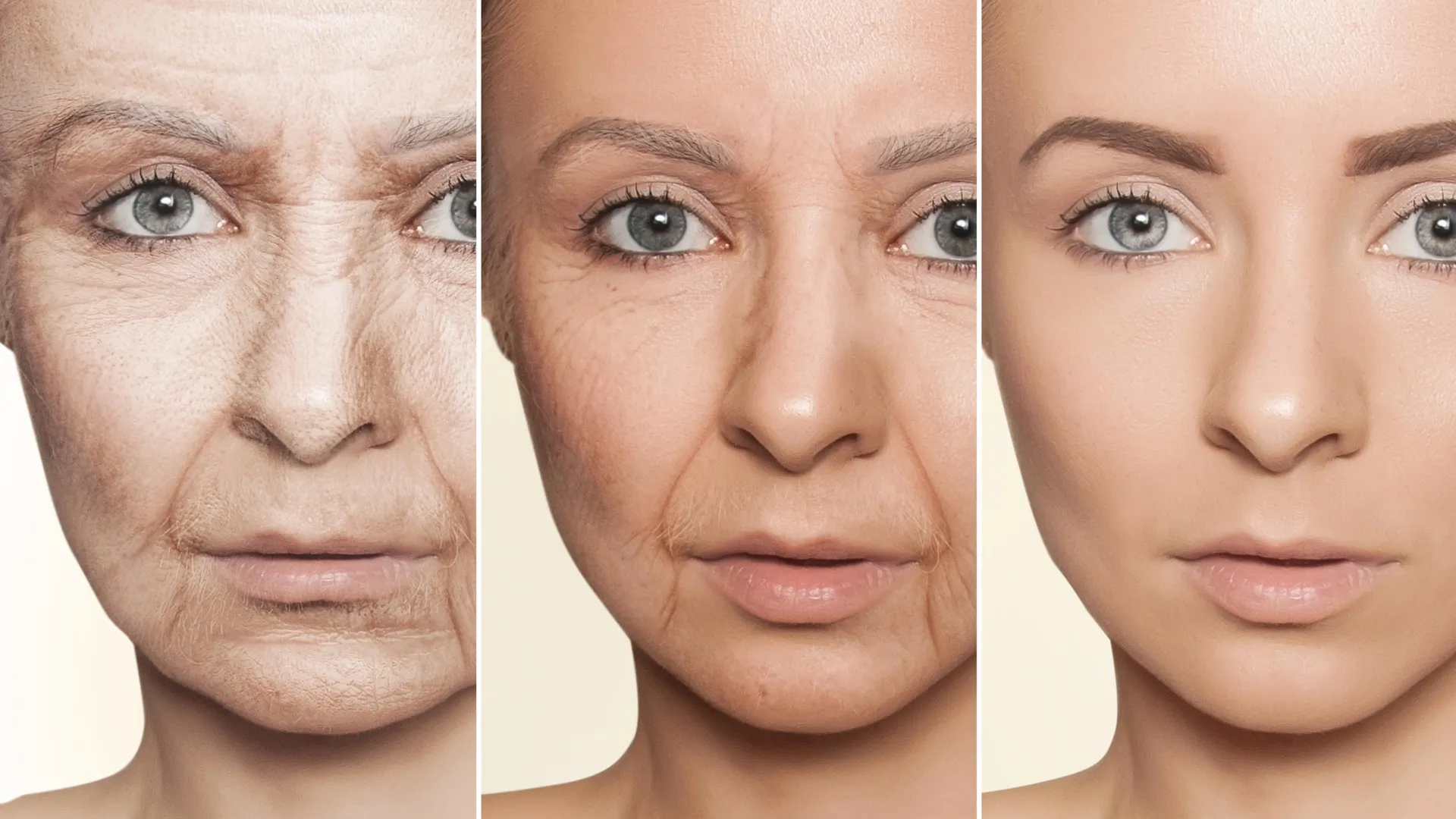
For as long as humanity has pondered the nature of existence, we have sought to turn back the hands of time. From the mythical Fountain of Youth to the modern obsession with longevity, the visible markers of aging—the silvering of hair, the deepening of wrinkles, and the fogging of once-sharp memories—have long been accepted as an immutable destiny. However, a burgeoning field of science is beginning to challenge the inevitability of this decline. A groundbreaking collaborative study, involving researchers from Xi’an Jiaotong-Liverpool University, Stanford University, Shanghai Jiao Tong University, and the University of Chinese Academy of Sciences, has unveiled a potential breakthrough: the possibility that aging-related decay is not a one-way street, but a process that might be slowed, halted, or even reversed.
An Unlikely Hero: The Sea Squirt
The source of this discovery is as surprising as the results themselves. The researchers turned their attention to the Ascidiacea, a class of marine animals commonly known as sea squirts. While they may appear unremarkable to the casual observer, these organisms are a culinary staple in parts of East Asia. Known as meongge in Korea and hoya in Japan, these marine creatures are frequently consumed raw.
Beyond their status as a delicacy, sea squirts are a potent reservoir of plasmalogens—a specific class of lipid, or fat molecule, that plays a foundational role in the integrity of mammalian cell membranes. In the human body, plasmalogens are not merely structural fillers; they are highly concentrated in the brain, the heart, and the immune system. Crucially, scientific literature has consistently shown that as humans age, the concentration of these vital lipids in our tissues begins to wane. This depletion has been starkly correlated with the onset of neurodegenerative conditions, including Alzheimer’s and Parkinson’s disease. This correlation formed the hypothesis for the multi-institutional research team: if plasmalogen levels naturally plummet with age, could restoring them through diet serve as a bulwark against the cognitive and physical erosion of the aging process?
Chronology of the Discovery
The research process followed a rigorous scientific methodology to isolate the effects of these lipids on aging subjects.
- The Baseline: Researchers began by identifying an aged cohort of mice, specifically choosing subjects that exhibited the hallmarks of advanced age, such as memory lapses and diminished physical vitality.
- The Intervention: A controlled group of these aged mice was administered a diet supplemented with plasmalogens derived from marine sources. A secondary control group was maintained on a standard diet.
- The Testing Phase: Over a period of five days, the mice were subjected to the Morris water maze, a gold-standard laboratory test for assessing hippocampal-dependent learning and spatial memory.
- The Observation: After the initial training period, researchers observed not only behavioral changes in the mice but also significant physiological transformations, ranging from improved cognitive recall to visible changes in the subjects’ coats.
- The Analysis: Following the behavioral trials, the researchers conducted histological examinations of the mice’s brains to identify the biological mechanisms underpinning these improvements.
Supporting Data: Synaptic Rejuvenation
The results of the Morris water maze were nothing short of striking. Mice that had received the plasmalogen supplements navigated the water maze with a proficiency that mirrored that of much younger, healthier animals. They identified the hidden platform with significantly greater speed and accuracy than their untreated counterparts, whose performance remained sluggish and indicative of cognitive decline.
However, the most compelling evidence lay within the neural architecture of the subjects. The researchers discovered that the treated mice possessed a significantly higher density of synapses—the critical junctions where neurons communicate. Furthermore, these synapses appeared structurally robust, contrasting sharply with the frayed and diminished connections found in the brains of the untreated aged mice.
Synaptic plasticity—the brain’s ability to forge new connections and adapt to new information—is the cornerstone of learning. As we age, this capacity diminishes, leading to the "brain fog" and memory loss associated with senescence. The data suggests that plasmalogens act as a protective agent, shielding these delicate connections from the deterioration that typically accompanies the passage of time.
A Multifaceted Defense: Inflammation and Neuroregeneration
The research team identified a secondary, yet equally vital, mechanism: the modulation of inflammation. In a healthy body, the immune system responds to threats with precision. However, as the brain ages, this response often becomes dysregulated, leading to chronic, low-level inflammation. This persistent inflammatory state is known to be a catalyst for neurodegeneration, damaging nerve cells and disrupting the delicate chemical signaling between synapses.
The study found that the mice receiving the plasmalogen supplement exhibited markedly lower levels of neuroinflammation. This reduction suggests that plasmalogens may play a role in calming the hyper-reactive immune state of the aging brain, effectively creating a more hospitable environment for neural health.
Professor Lei Fu, the corresponding author of the study, further illuminated the potential mechanisms at play. "We found that plasmalogens significantly increase the number of molecules that aid the growth and development of neurons and synapses in the brain," Fu stated. "This suggests that plasmalogens can promote neuroregeneration." He posited that these lipids might enhance the fluidity and flexibility of synaptic membranes, ensuring that signals are transmitted between neurons with the efficiency of a youthful brain.
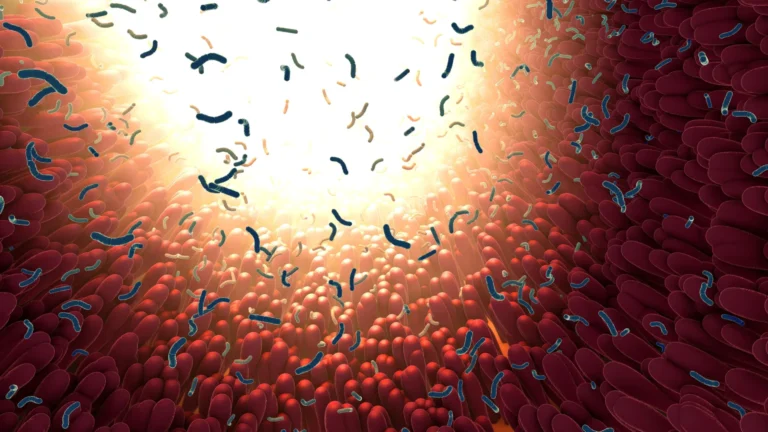
Furthermore, the team explored the "gut-brain axis"—the complex, bidirectional communication network between the gastrointestinal tract and the central nervous system. Professor Fu noted that dietary plasmalogens may influence the composition of the gut microbiome. By modulating the bacterial communities in the gut, these lipids may influence immune and metabolic signals that ultimately benefit the brain, providing a systemic approach to fighting decline.
Official Responses and Clinical Implications
The implications of this study are profound, suggesting a future where cognitive decline is not an inevitable outcome of aging but a manageable condition. The findings have ignited excitement in the medical community, particularly regarding the prospect of "neuroregeneration"—the literal repair and renewal of neural circuitry.
Professor Fu’s confidence in the research is such that he has incorporated plasmalogen supplementation into his own daily regimen. "For the first time, we show that plasmalogen supplements might be a potential intervention strategy for halting neurodegeneration and promoting neuroregeneration," Fu remarked. "The oral intake of plasmalogens could be a feasible therapeutic strategy to improve cognitive function in older people."
The visual physical improvements in the mice—specifically the growth of thicker, glossier black hair—add an anecdotal but fascinating dimension to the study. While the researchers remain focused on the neurological data, the rejuvenation of the subjects’ physical appearance hints at a systemic effect that warrants further exploration.
Looking Forward: From Rodents to Humans
Despite the promising data, it is imperative to approach these findings with scientific caution. The transition from rodent models to human clinical trials is notoriously complex. While the mechanisms of neuroplasticity and the presence of plasmalogens are conserved across many species, the human brain operates under a vastly more complex set of biological and environmental variables.
The research team is clear: eating sea squirts alone is not a proven "cure" for human aging. The study represents a foundational step in understanding how marine-derived lipids interact with the brain, but it does not establish the dosage, long-term safety, or efficacy for human populations. Future research must determine whether these results can be replicated in clinical settings, what specific concentrations are required for therapeutic effect, and how these supplements interact with other lifestyle factors.
Nevertheless, this study marks a turning point in longevity research. By identifying a potential intervention for neuroregeneration, scientists have moved the needle from merely studying the decline of the aging brain to actively seeking ways to rebuild it. The humble sea squirt, long a footnote in marine biology, may ultimately provide the key to unlocking a more vibrant, mentally sharp, and physically resilient later life. As the scientific community continues to peel back the layers of this discovery, the prospect of a "healthier aging" process moves one step closer to reality.