









In an era defined by hyper-connectivity, academic rigor, and an increasingly competitive global job market, the concept of "self-care" has undergone a radical transformation. Once viewed as an occasional luxury—a spa day or a distant vacation—self-care is being redefined by mental health advocates and students alike as a series of small, non-negotiable daily micro-routines.
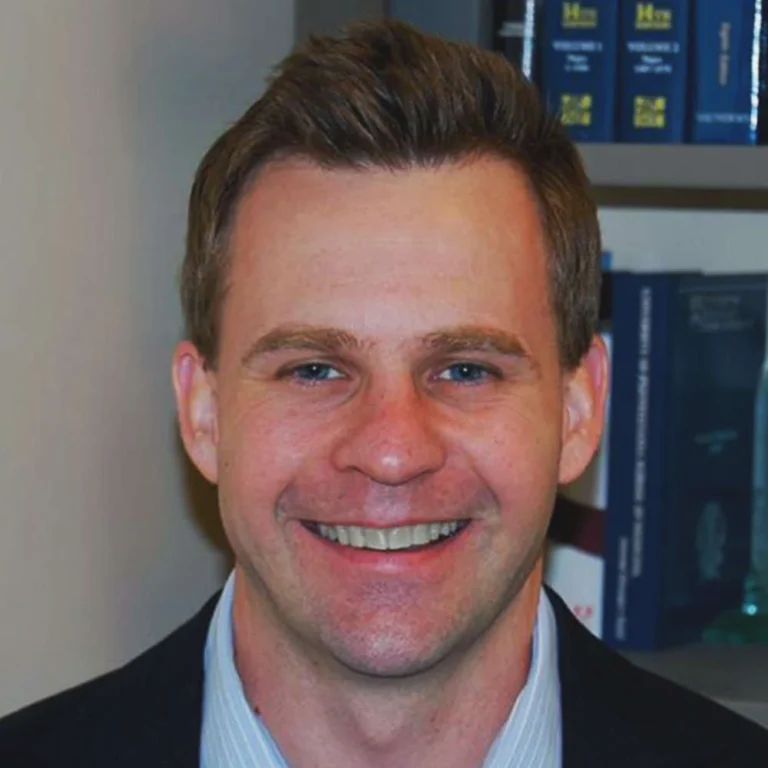
Markus Dominick Inumerable, a graduate student at Rutgers University and a Public Relations Intern at the non-profit organization Active Minds, recently highlighted a burgeoning shift in how young adults manage their mental well-being. His perspective, grounded in both personal experience and strategic communication, suggests that the key to surviving the "burnout culture" of higher education lies not in grand gestures, but in the mundane consistency of a nighttime skincare routine.
Main Facts: The Shift from Luxury to Utility
The modern mental health landscape for students is fraught with "decision fatigue" and "productivity guilt." For many, the traditional definition of self-care—often marketed by a multi-billion dollar wellness industry as expensive products or time-consuming retreats—is inherently inaccessible.
The core facts emerging from recent advocacy work by organizations like Active Minds suggest:
- Accessibility is Essential: Effective self-care must be integrated into existing schedules rather than added as a new "task" to an already overflowing to-do list.
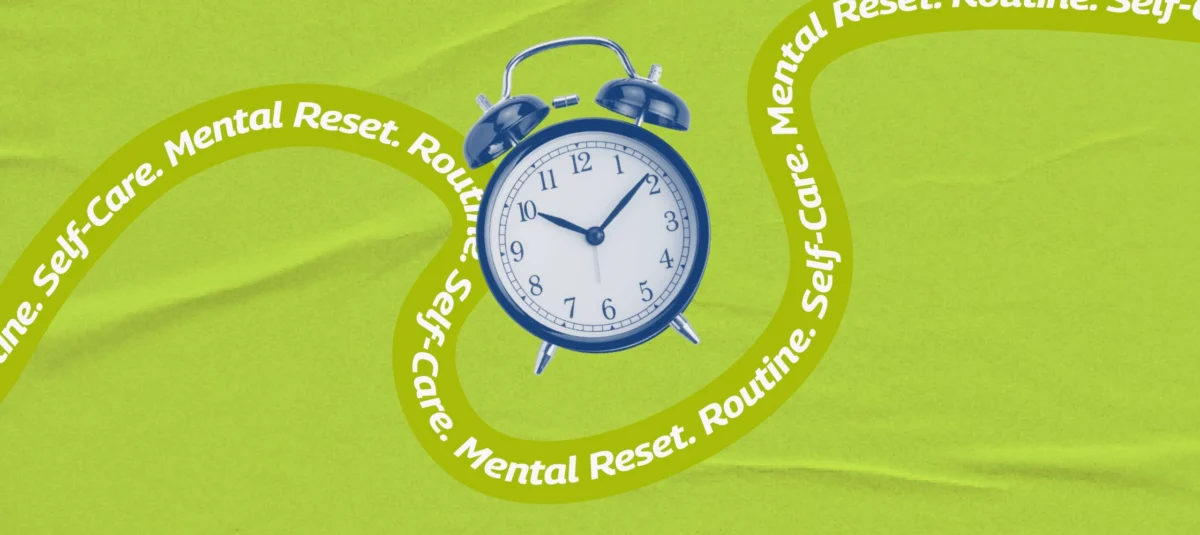
- The Sensory Reset: Activities that engage the senses and force a physical pause—such as washing one’s face or focused breathing—act as a neurological "circuit breaker" for stress.
- Consistency Over Complexity: A two-minute habit performed daily offers more psychological stability than a six-hour "self-care day" performed once a month.
- The Distinction of Care: While daily routines are vital for mental regulation, they are a supplement to, not a replacement for, professional clinical support for conditions like depression or generalized anxiety disorder (GAD).
Chronology: The Evolution of a Wellness Perspective
The journey from overwhelming stress to a regulated routine often follows a predictable chronological arc for many students in higher education.
The Phase of Neglect
For Inumerable and many of his peers, the initial response to increased pressure—work, internships, and graduate-level coursework—is the abandonment of personal needs. In this phase, self-care is viewed as the "first thing to disappear" when life gets busy. The prevailing logic is that every minute not spent on a deadline is a minute wasted.
The Realization of Diminishing Returns
As academic and professional pressures mount, the "rushing from one task to the next" leads to a state of constant autonomic arousal (the fight-or-flight response). Inumerable notes that he initially believed self-care required significant time and resources. However, the realization eventually sets in that waiting for a "vacation" to recover is a failing strategy, as the body and mind require regulation in real-time, not in the distant future.
The Integration of the "Reset Button"
The final stage in this evolution is the adoption of the "micro-routine." For Inumerable, this took the form of a nighttime skincare regimen. This transition marks a shift from viewing self-care as an "event" to viewing it as a "reset button." By his own account, this five-to-ten-minute window became a sanctuary where deadlines and emails were momentarily suspended, allowing for a necessary cognitive pause before sleep.
Supporting Data: The Science of Routine and Regulation
The advocacy for daily routines is backed by a growing body of psychological and physiological research. The assertion that "small routines create moments to breathe" is more than a sentiment; it is a biological reality.
Reducing Cortisol through Predictability
According to research from UCLA Health, daily routines are instrumental in reducing stress and decreasing anxiety. The human brain is a "prediction machine" that thrives on patterns. When life feels uncertain or overwhelming, a predictable routine—like a skincare sequence or a morning walk—signals to the nervous system that the environment is safe, thereby lowering cortisol levels.
The Role of Lifestyle Behaviors
The American Psychiatric Association (APA) suggests that adopting healthy lifestyle behaviors is a primary strategy for both the prevention and treatment of mental health conditions. Data indicates that these behaviors promote "mental wellness" by creating a sense of agency. When a student feels they have lost control over their workload, the ability to control a small segment of their day (like their hygiene or a hobby) restores a sense of self-efficacy.
Counteracting the "Perfection Trap"
Social media often exacerbates mental health struggles by presenting "ten-step regimens" and "perfect morning routines." However, psychological data suggests that "perfectionism" in wellness can actually lead to more stress. The "all-or-nothing" mentality—where a student skips their routine entirely because they don’t have time for a "perfect" version—is counterproductive. Inumerable’s observation that "consistency matters more than perfection" aligns with behavioral therapy principles which emphasize the "minimum viable habit."
Official Responses and Professional Perspectives
Mental health organizations and experts are increasingly vocal about the role of self-care within the broader spectrum of healthcare.

The Active Minds Framework
Active Minds, the organization where Inumerable serves, promotes a holistic view of wellness through their "Nine Dimensions of Wellness." This framework encourages young people to look at mental health through various lenses, including emotional, physical, and social well-being. Their official stance is that while self-care is a form of "self-love," it is also a strategic tool for resilience.
Clinical vs. Non-Clinical Support
Professional mental health practitioners emphasize a critical boundary: self-care is a maintenance tool, not a clinical cure. Experts from the American Psychological Association note that while a skincare routine can ground an individual, it cannot chemically resolve clinical depression or neurobiological anxiety.
The official recommendation for those struggling is a two-pronged approach:
- Internal: Build healthy, grounding daily routines.
- External: Seek professional counseling or crisis support when symptoms become unmanageable.
Active Minds reinforces this by providing resources that help students identify the "signs and symptoms" of mental health conditions, ensuring that "starting small" with a routine is paired with the "strength" of asking for professional help.
Implications: The Future of Student Wellness
The shift toward micro-routines has significant implications for public health communications and the structure of educational environments.
Redefining Productivity
There is a growing movement to decouple "worth" from "productivity." By advocating for small moments of care, communicators like Inumerable are helping to shift the cultural narrative. The implication is that "kindness to oneself" is a prerequisite for—not a distraction from—professional success.
Accessibility in Mental Health
By promoting "washing your face" or "taking a five-minute walk" as valid forms of mental health support, advocates are making wellness more inclusive. This removes the financial and temporal barriers that often make "wellness" feel like an elite pursuit. For a graduate student working multiple jobs, a five-minute skin routine is a realistic goal, whereas a week-long retreat is not.
Long-term Resilience
The long-term implication of building these habits is the creation of a "psychological buffer." Students who develop the ability to "slow down and reconnect" during busy periods are less likely to experience total burnout. These small moments of care add up over time, creating a foundation of stability that can withstand the pressures of a demanding career.
Conclusion: A Call to Radical Simplicity
As Markus Dominick Inumerable transitions from his studies at Rutgers to a career in strategic communications, his message remains a vital reminder for the modern workforce: "You deserve a few minutes of kindness from yourself."
The evolution of self-care is moving away from the complex and toward the radically simple. Whether it is a skincare routine, sketching, or a brief walk, the activity itself is secondary to the act of pausing. In a world that demands constant motion, the most professional and productive thing a person can do is occasionally, and intentionally, slow down.
For those navigating the complexities of mental health, the message from the front lines of advocacy is clear: start small, stay consistent, and remember that you do not have to navigate life’s challenges alone.
About the Author of the Original Narrative:
Markus Dominick Inumerable is a graduate student at Rutgers University pursuing a Master’s in Communication and Media. Originally from Singapore, he serves as a Public Relations Intern at Active Minds, focusing on media relations and strategic communications to advance youth mental health awareness.