







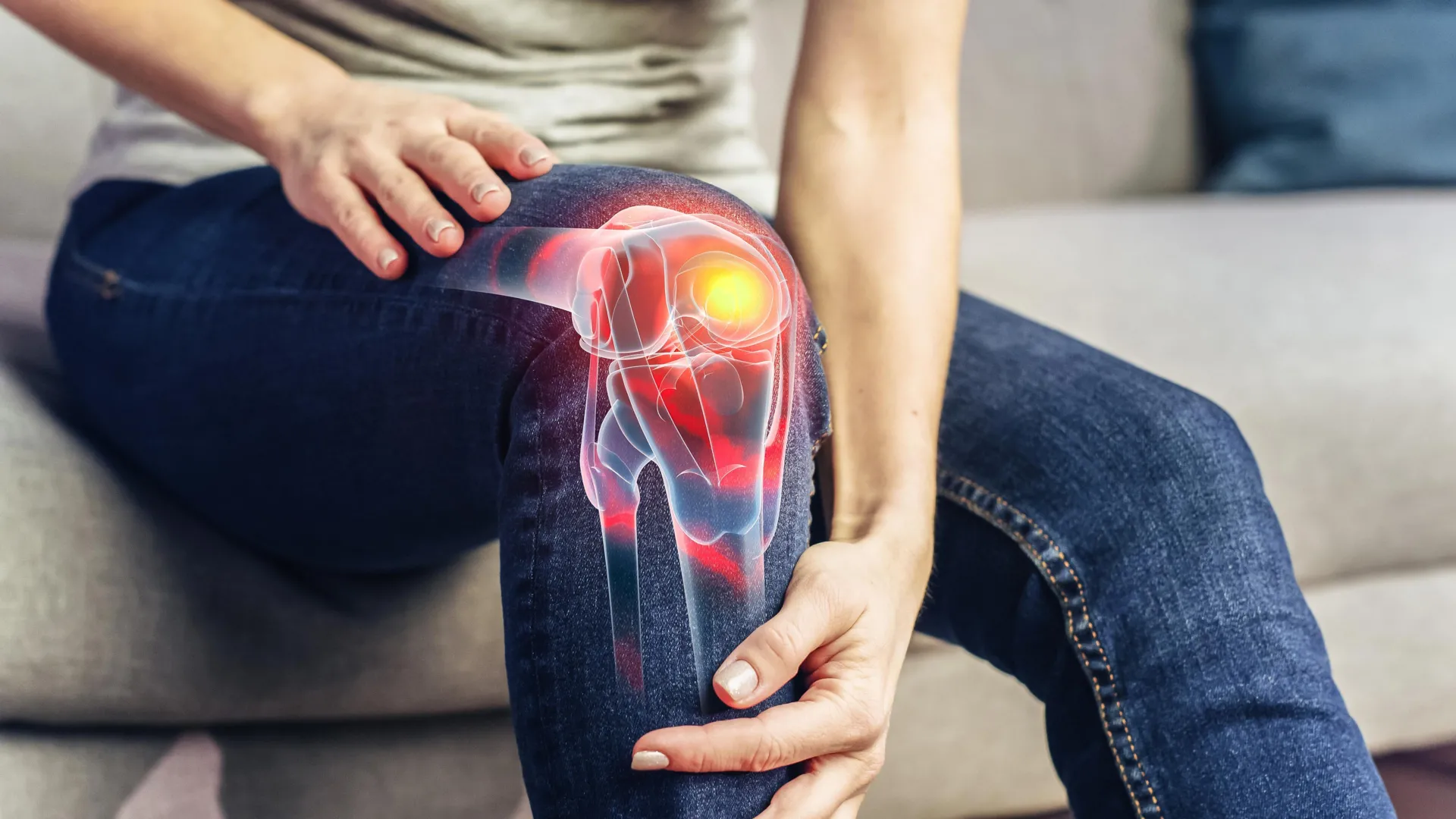
While the wisdom that comes with age is a celebrated milestone, the physical toll—specifically the onset of achy, stiff joints—is a universal challenge that many find daunting. As we navigate the later chapters of life, the structural integrity of our joints often begins to wane. This physiological decline is largely driven by a reduction in cartilage and synovial fluid, the internal "mechanics" that allow for fluid, pain-free movement.
For many, the natural response to joint discomfort is to limit physical activity to protect the area. However, modern medical science suggests this approach may be counterproductive. In reality, movement is the most potent medicine for joint longevity. By understanding the biological necessity of exercise, individuals can transition from a cycle of inactivity to a proactive regimen that preserves mobility and enhances quality of life.
Main Facts: The Biology of Joint Aging
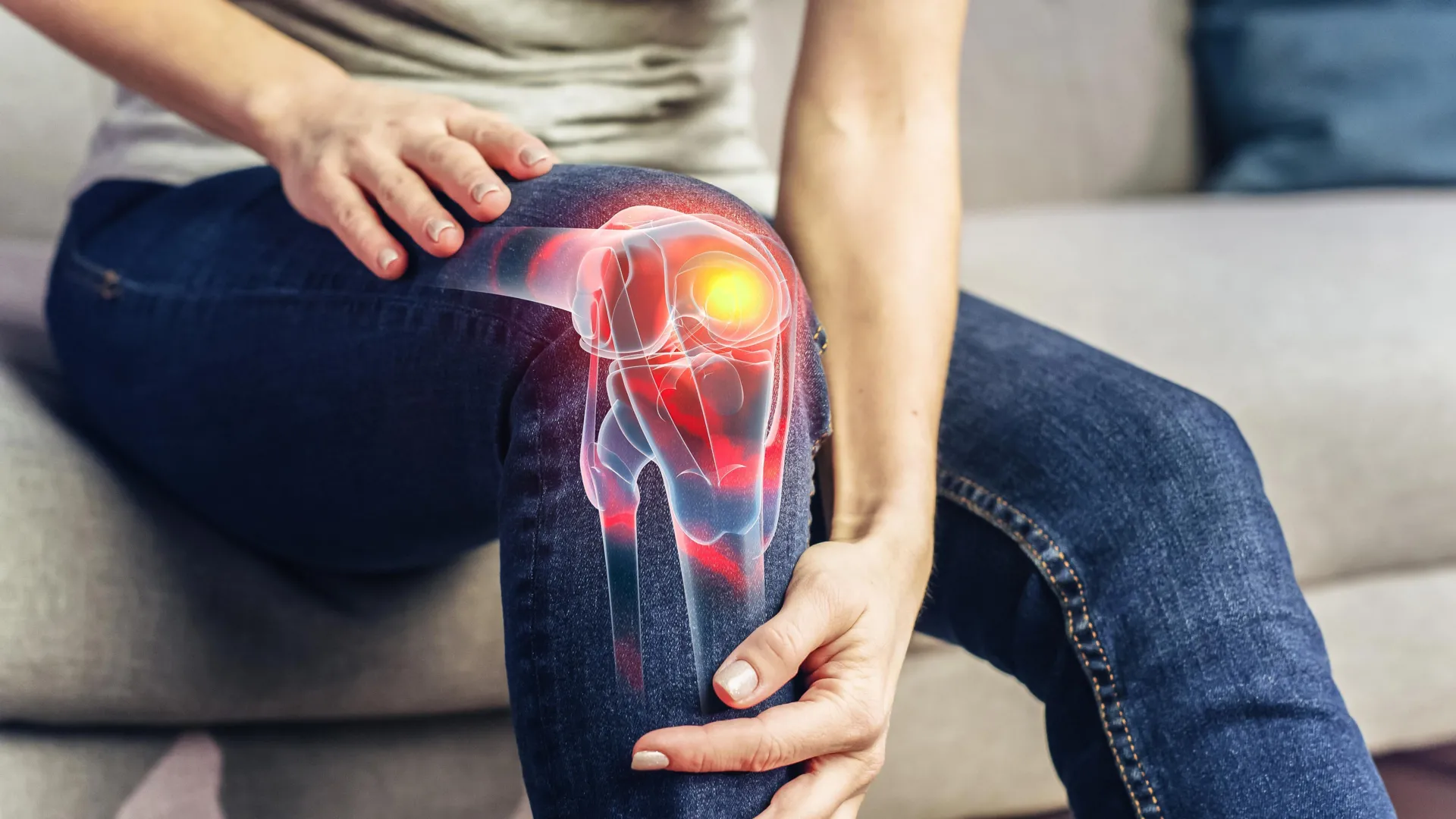
To understand why exercise is essential, one must first understand the anatomy of a joint. Each joint in the human body is cushioned by articular cartilage, a specialized, tough, yet flexible connective tissue that caps the ends of our bones. This tissue provides a low-friction surface that facilitates smooth articulation. Complementing this is synovial fluid, a viscous, nutrient-rich lubricant that bathes the joint, minimizing friction and delivering essential nourishment to cartilage—a tissue notorious for its lack of blood supply.
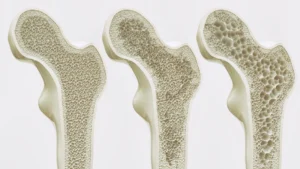
Because cartilage is avascular, it relies entirely on the movement of the joint to "pump" synovial fluid in and out, effectively cycling nutrients through the tissue. When a joint remains static for extended periods, this nutrient exchange grinds to a halt, leading to the gradual degradation known as osteoarthritis. Affecting more than 500 million people worldwide, this condition is most prevalent in weight-bearing joints: the knees, hips, and spine.
Chronology: The Progressive Decline of Mobility
The deterioration of joint health is rarely an overnight event; it is a cumulative process influenced by years of biomechanical stress and biological aging.
- Early Adult Years: Cartilage remains resilient, and the body’s proprioceptive systems—the internal sensors that tell the brain where limbs are in space—are highly efficient.
- Mid-Life: The production of synovial fluid begins to subtly decline. If sedentary habits take root during this phase, the lack of joint stimulation can accelerate the thinning of cartilage.
- The "Proprioceptive Gap": As we age, our proprioception naturally fades. The brain becomes less adept at processing the signals from our joints regarding weight distribution. This leads to uneven loading—where the body subconsciously shifts weight to one side—causing specific joints to wear down at an accelerated, asymmetrical rate.
- Senior Years: Without intervention, the cumulative effect of reduced cartilage and diminished proprioception leads to increased stiffness, pain, and a higher risk of falls.
Supporting Data: The Case for Targeted Movement
The evidence favoring exercise for joint health is overwhelming. A landmark Cochrane review—the gold standard in medical meta-analysis—evaluated the impact of exercise on knee osteoarthritis. The results were definitive: regular, structured exercise significantly reduces pain and improves functional mobility. Perhaps most impressively, the study noted that exercise provided pain-relief benefits comparable to common anti-inflammatory medications, but without the adverse side effects often associated with long-term pharmaceutical use.
The Role of Muscle as a Shock Absorber
Muscles do more than move us; they shield our joints from impact. Strengthening the musculature surrounding a joint, particularly the quadriceps (the powerful muscles at the front of the thigh), creates a biological "shock absorber." Research indicates that robust quadriceps strength directly correlates to reduced pressure on the knee joint, effectively offloading the stress that would otherwise damage cartilage.
The Power of Unstable Surfaces
Training on varied surfaces—such as grass, gravel, or foam pads—challenges the body’s proprioceptive system. By forcing the ankles, knees, and hips to make micro-adjustments, these exercises keep the joint structures engaged, flexible, and responsive, thereby mitigating the rapid degradation caused by static, predictable movement patterns.
Official Perspectives and Expert Recommendations
Health organizations globally, including the World Health Organization (WHO), emphasize that physical inactivity is a leading cause of disability in the elderly. Physiotherapists and exercise physiologists now champion the concept of "movement variability."
"The goal is not to stop moving, but to move smarter," notes the medical consensus. Experts recommend that individuals suffering from joint pain consult with a professional to design a program that emphasizes low-impact activities. These are exercises that maintain at least one point of contact with the ground or utilize water to displace body weight, reducing the "ground reaction force" that can trigger pain.
Recommended modalities include:
- Aquatic Therapy: Swimming or water aerobics can support up to 90% of a person’s body weight, allowing for full-range-of-motion exercise with virtually zero impact.
- Tai Chi: Often described as "meditation in motion," Tai Chi’s focus on gentle, flowing movements and deliberate weight-shifting is clinically proven to be as effective as traditional physical therapy for knee osteoarthritis.
- Cycling: A low-impact, rhythmic movement that promotes synovial fluid circulation without the high-impact jolts of running.
Implications: Building a Sustainable Future
The long-term implications of adopting a proactive exercise routine are profound. Beyond just managing pain, regular movement is a vital strategy for fall prevention. A systematic review found that exercises specifically targeting balance—even in older populations—reduced fall rates by approximately 23%. Considering that falls are the leading cause of injury-related mortality in adults over 65, the stakes for maintaining joint health through exercise go far beyond comfort; they are a matter of safety and independence.
How to Begin Safely
For those who have never practiced low-impact exercise, the path forward should be incremental:
- Start with the Environment: Trade the pavement for more forgiving terrain. Walking on a park lawn or a groomed trail provides the "unstable" surface benefits required to stimulate proprioception without the harsh impact of concrete.
- Practice Static Balance: Incorporate simple movements into your daily routine. Standing on one leg while brushing your teeth, while holding onto a vanity for safety, builds stabilizer muscles in the hips and ankles.
- Prioritize Professional Guidance: Avoid the "no pain, no gain" mentality. Poor form in yoga or deep lunges can cause more damage than good. A physiotherapist can identify your specific muscle imbalances and provide a tailored plan that protects your unique anatomy.
The Bottom Line
Aging does not have to be synonymous with physical decline. While the wear-and-tear of our joints is an inescapable fact of biological life, the speed and severity of that decline are largely within our control. By viewing our joints as dynamic systems that require consistent "lubrication" through motion, we can rewrite the narrative of aging.
Whether it is a ten-minute walk on a grass path, a session of water aerobics, or simply standing on one leg while the coffee brews, every movement counts. The science is clear: motion is lotion for the joints. By embracing low-impact activity today, we invest in the freedom of movement for tomorrow, ensuring that our golden years are defined not by what we can no longer do, but by the strength and flexibility with which we continue to navigate the world.