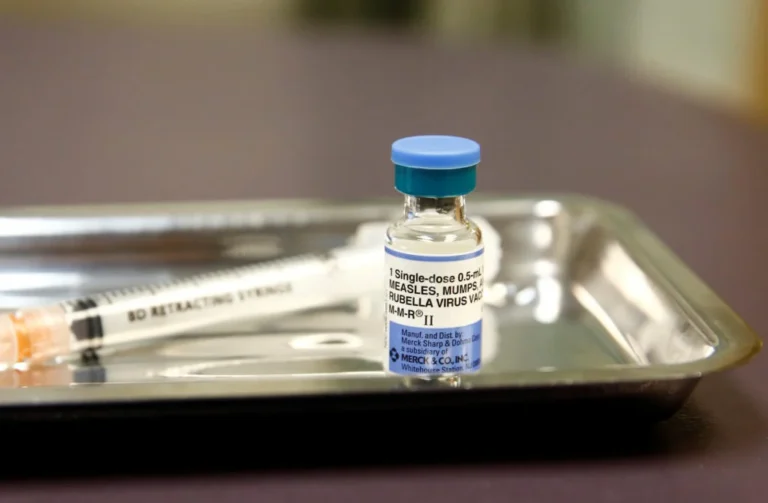











For decades, a class of drugs known as anti-progestins—including mifepristone and ulipristal acetate (UPA)—has occupied a contentious space in the American cultural consciousness. Primarily known for their role in medication abortion and emergency contraception, these compounds have been subject to intense legislative scrutiny, litigation, and moral debate. However, beneath the surface of this political firestorm lies a quiet, revolutionary scientific potential: the ability to treat debilitating gynecological conditions and, perhaps most significantly, to prevent aggressive forms of breast and ovarian cancer.
As international researchers make significant strides in repurposing these drugs, American medical experts are sounding the alarm. They warn that a "hostile" political environment is creating a chilling effect on innovation, potentially leaving U.S. patients behind as the rest of the world advances toward a new frontier in preventative medicine.
The Scientific Promise: Repurposing Known Compounds
The mechanism at the heart of this research is deceptively simple. Progesterone, a hormone vital for reproduction, can also act as a fuel source for certain cellular proliferations. In the breast, progesterone promotes cell division; in instances where those cells are prone to mutation, rapid division increases the risk of tumor formation.
Anti-progestins work by blocking the effects of progesterone at the cellular level. By inhibiting this hormonal signaling, researchers have observed a profound effect: the "relaxation" of breast tissue. Dr. Sacha Howell, an oncologist at the University of Manchester, has led groundbreaking trials showing that UPA can reduce the number and activity of cells that eventually manifest as aggressive cancers, such as triple-negative breast cancer.
"We saw a reduction in the number and activity of cells that we think go on to cause quite aggressive breast cancers," Dr. Howell explains. "The architecture of the breast does change. The tissue starts to relax, which is crucial because stiff, dense tissue sends signals to cells that can trigger mutations."
Chronology of a Medical Frontier
The journey of these drugs from reproductive health to oncology has been a slow, uneven process marked by both clinical success and political friction.
- 2010: The FDA approves ulipristal acetate (marketed as Ella) as an emergency contraceptive, cementing its status as a drug central to the reproductive rights debate.
- 2017–2020: International research teams, particularly in the United Kingdom, begin formal clinical trials exploring the use of anti-progestins for the prevention of breast cancer in high-risk populations.
- 2023: Published findings from the University of Manchester confirm that UPA can alter breast tissue architecture, suggesting a viable path toward breast cancer prevention.
- 2023–2024: Amidst a heightened U.S. political climate following the overturning of Roe v. Wade, researchers report an increasing difficulty in securing funding and institutional support for U.S.-based trials involving mifepristone or UPA, regardless of the intended application.
The Human Cost: Patients Caught in the Crossfire
For participants like Pamela Cachart, who lives in a village outside of Manchester, the stakes are deeply personal. With a family history of breast cancer that claimed both her mother and grandmother in their early 40s, the "clock" felt like a constant, ticking threat. Joining Dr. Howell’s trial was not just a medical decision; it was a bid for a future she feared she might not have.
"You feel like you’re looking at the clock, waiting for that moment to happen," Cachart says. For her, participating in the study was a way to "pay it forward," ensuring that her nieces and future generations do not have to live under the same shadow.
In the United States, Mary Benjamin, a 57-year-old breast cancer survivor, echoes this sentiment. Diagnosed with aggressive triple-negative breast cancer, Benjamin—who identifies as anti-abortion—finds the political obstruction of this research illogical and harmful. "Being anti-abortion doesn’t mean I’m going to stop every woman from taking that," she argues. "I have daughters, a granddaughter, nieces. If I can prevent their cancer journey, that is a win-win."
The Chill of Political Interference
The central tension of this issue lies in the intersection of clinical necessity and ideological branding. Because these drugs are labeled "abortion-inducing" by political activists, their utility in oncology is frequently ignored or intentionally sidelined.
Dr. Laura Esserman, a prominent breast cancer surgeon at the University of California, San Francisco, has been a vocal critic of the current status quo. She argues that the fear of political retribution—or the fear that the FDA will face immense pressure to pull the drugs from the market—prevents pharmaceutical companies and academic institutions from investing in necessary research.
"I have spent my life trying to prevent people from dying of breast cancer," Dr. Esserman says. "It would be terrible to have women dying of completely preventable causes because these drugs have been caught up in politics."
The concern is not merely theoretical. Investors are wary of funding research into drugs that are currently under legal siege in state and federal courts. If a company cannot be guaranteed that a drug will remain on the market, they are unlikely to invest the millions of dollars required for Phase III clinical trials to gain a "prevention" indication from the FDA.
Implications for Future Care
The implications of this standoff are vast. If U.S. research remains stagnant while international studies progress, the United States risks falling behind in standard-of-care advancements.
1. The Gap in Innovation
As European researchers continue to receive government backing to explore anti-progestins for breast and ovarian cancer, American patients may be forced to wait years, or even decades, for access to preventative therapies that are already proving effective abroad.
2. The Density Crisis
A significant portion of breast cancer detection is hampered by "dense breast tissue," which can hide tumors from standard mammograms. If UPA or similar drugs can successfully "relax" this tissue, it could revolutionize early detection, saving thousands of lives annually. Ignoring this potential due to political stigma is a public health failure, according to researchers.
3. The Need for Regulatory Signaling
Dr. Esserman emphasizes that the solution requires bold action from federal regulators. "There has to be signaling from the administration and the FDA that this research is safe," she notes. Without a clear path to approval, the science remains trapped in a purgatory of "what-ifs."
Conclusion: Science vs. Ideology
The debate over reproductive health drugs has become one of the most polarizing issues in the United States. However, the scientific community is now forced to ask: at what point does ideological opposition cross the line into tangible harm for cancer patients?
Dr. Sacha Howell summarizes the frustration of many in the field: "Politics is intimately involved with science because so much science is funded by central governments. I don’t think we can really disentangle them. But I think we do have a problem when politicians start to dabble with things that they don’t really understand."
For women like Pamela Cachart and Mary Benjamin, the message is clear: their health and the lives of future generations should not be pawns in a political game. As the research moves forward in Europe, the question for the American medical and political establishment remains: will the country choose to follow the data, or will it remain blinded by the politics of the past?