










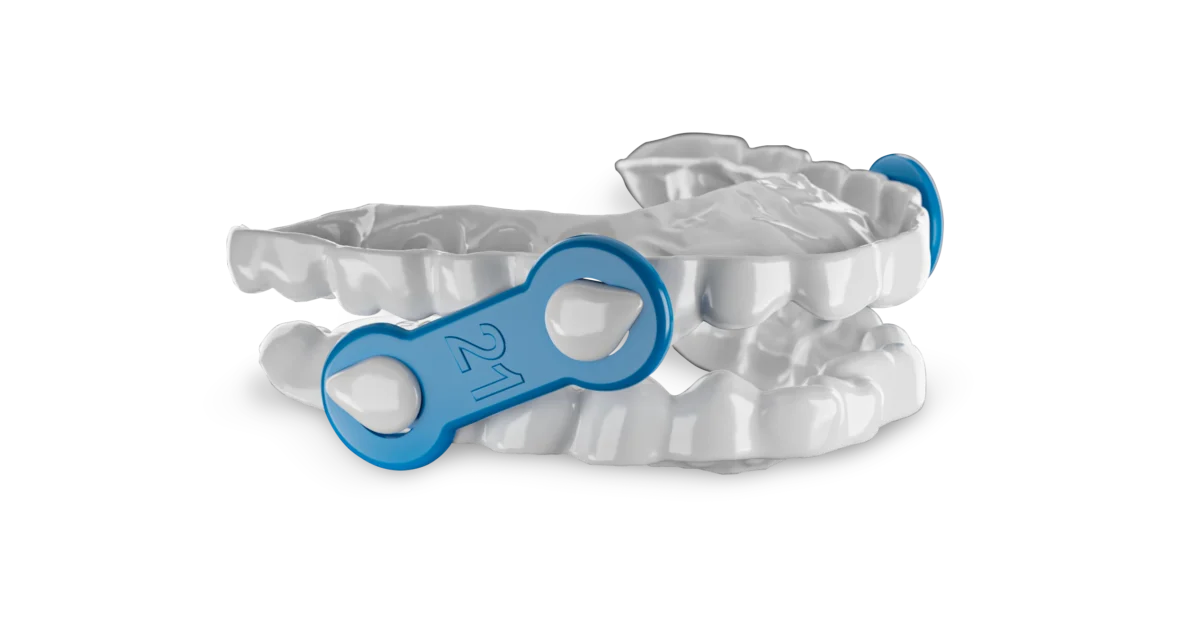
In a move set to reshape the landscape of sleep medicine, Dentulu Health—a prominent leader in teledentistry and medical-dental integration—has announced a strategic partnership and direct technical integration with Apex Dental Sleep Lab. This collaboration aims to harmonize the fractured workflows currently plaguing the treatment of obstructive sleep apnea (OSA), snoring, and bruxism, effectively linking clinical diagnostic workflows with high-precision oral appliance manufacturing.
By creating a seamless digital bridge between primary care physicians, sleep specialists, and local dental practitioners, the partnership addresses one of the most persistent hurdles in modern medicine: the "last mile" of care delivery for patients requiring oral appliance therapy (OAT).
The Core Challenge: Why Sleep Apnea Workflows Fail
Obstructive sleep apnea is a chronic condition affecting millions, yet it remains significantly underdiagnosed and undertreated. For those who are diagnosed, the traditional path to treatment is often convoluted. Patients are frequently caught in a "siloed" environment where physicians manage the diagnosis, but the execution of treatment—specifically the fabrication and titration of custom oral appliances—is left to dental providers who may lack the specialized infrastructure or support to manage the process efficiently.
Previously, dental offices wishing to provide sleep apnea treatment had to invest heavily in specialized training, lab partnerships, and administrative overhead. For many, this barrier to entry was too high, leading to limited access for patients and inconsistent follow-up care.
Dentulu’s new integration with Apex Dental Sleep Lab is designed to dismantle these silos. By utilizing the Dentulu Pro platform, dental practices can now access a robust, turn-key sleep medicine workflow that manages everything from patient referrals to the ordering of advanced medical-grade appliances.
Chronology of the Integration
The path to this partnership reflects a growing industry trend toward the digitization of dental-medical pathways.
- Phase I: The Rise of Teledentistry (2020–2022): Following the pandemic-driven boom in remote healthcare, Dentulu established itself as a versatile teledentistry platform, enabling dental providers to reach patients outside the traditional operatory.
- Phase II: Identifying the Clinical Gap (2023): Through extensive analysis of physician-dentist referral networks, Dentulu leadership identified that while communication between medical and dental sectors was improving, the manufacturing and supply chain of oral appliances remained a bottleneck.
- Phase III: Strategic Alignment (Early 2024): Dentulu began discussions with Apex Dental Sleep Lab, recognizing that Apex’s commitment to appliance diversity aligned with Dentulu’s goal of preserving "clinical judgment" rather than forcing a "one-size-fits-all" product model.
- Phase IV: Official Integration (Q3 2024): The platforms were officially integrated, allowing for real-time data exchange, digital prescription submission, and workflow tracking.
The Strategic Importance of Appliance Diversity
One of the most significant aspects of this partnership is the rejection of the "single-device" sales model. Many corporate sleep programs rely on pushing one specific appliance type to simplify manufacturing and reduce costs. However, clinical research suggests that anatomy, patient comfort, and the severity of sleep apnea often dictate which appliance will succeed.
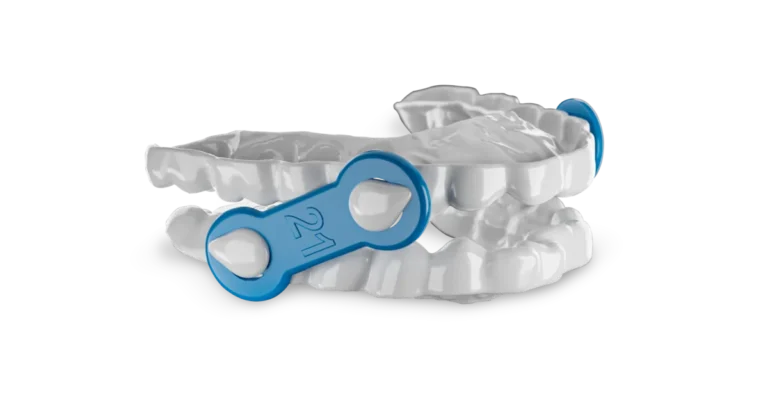
Apex Dental Sleep Lab supports a comprehensive portfolio of industry-leading solutions, including:
- Kava Dorsal & Kava Herbst
- Daypex & Apex Night
- EMA (Elastic Mandibular Advancement) appliances
- Panthera, Oasys, and OrthoApnea NOA
- TAP (Thornton Adjustable Positioner)
By providing access to this spectrum, the integration ensures that dentists can remain the final arbiter of patient care, selecting the specific device that matches the unique anatomical requirements of the patient—a crucial factor in long-term compliance and treatment success.
Official Perspectives
Dr. Arash Hakhamian: A Call for Scalable Clinical Judgment
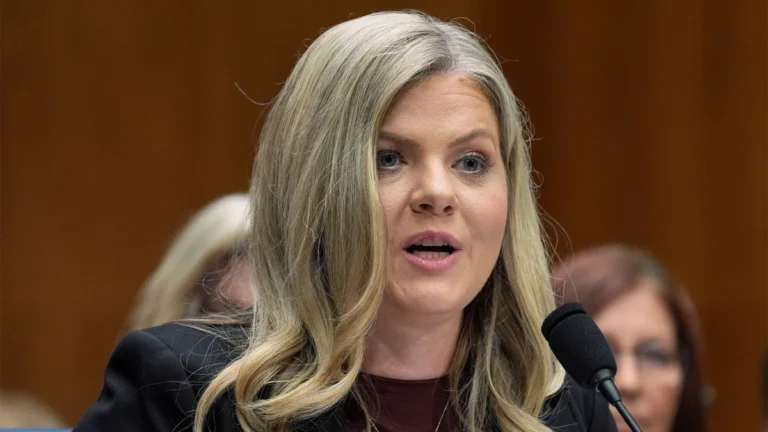
Dr. Arash Hakhamian, co-founder and CEO of Dentulu Health, emphasizes that the goal is not to automate the dentist out of the process, but to empower them.
"The market does not need another narrow, single-device sleep program," Dr. Hakhamian stated in the official release. "Patients, physicians, dental offices, and telemedicine companies need a real clinical pathway that can connect diagnosis, dental evaluation, appliance selection, manufacturing, medical billing support, and follow-up. Dentulu was built to make oral appliance therapy scalable without stripping away the clinical judgment that makes the treatment work."
Sonnie Bocala: The Lab-Clinician Connection
For Apex Dental Sleep Lab, the partnership is about expertise. Sonnie Bocala, president and owner of Apex, notes that the success of OAT is fundamentally rooted in the marriage of technology and professional oversight.
"Apex has always believed that successful treatment starts with the right appliance for the right patient," says Bocala. "This integration gives more clinicians access to appliance choice, manufacturing experience, and a dental sleep laboratory team that understands the clinical details behind oral appliance therapy."
Implications for the Healthcare Ecosystem
For the Medical Community
Physicians, including pulmonologists and sleep medicine specialists, often encounter patients who cannot tolerate CPAP (Continuous Positive Airway Pressure) therapy. Previously, these physicians struggled to find reliable dental partners to provide a viable alternative. Dentulu now serves as the "dental sleep medicine layer," allowing physicians to refer patients into a coordinated system where dental clearance, intraoral scanning, and appliance delivery are managed professionally.
For the Dental Practice
The "Dentulu Pro" platform removes the heavy lifting of sleep medicine. Dental practices that were previously hesitant to enter the sleep space can now rely on a connected workflow. This includes:
- Digital Workflow: Seamless submission of intraoral scans to the lab.
- Infrastructure: Access to a high-end lab without building an in-house sleep department.
- Clinical Support: Better coordination with medical billing, which is often the most significant administrative hurdle for dental offices.
The Hybrid Care Model
The industry has debated the merits of "virtual-only" care in dentistry. Dentulu takes a pragmatic, hybrid stance. While the platform utilizes the convenience of virtual consultation and telemedicine to speed up patient intake and follow-up, it explicitly mandates in-person requirements.
Treatment remains firmly grounded in traditional clinical oversight:
- In-person oral examinations to assess airway health.
- Periodontal assessments to ensure the teeth can support an appliance.
- Professional titration, where the device is adjusted over several weeks to ensure maximum efficacy.
"Convenience should not come at the expense of clinical judgment," Dr. Hakhamian reiterates. "Our goal is to make oral appliance therapy more accessible while keeping the dentist, the physician, and the patient connected."
Looking Ahead: The Future of Sleep Medicine
The Dentulu-Apex integration serves as a blueprint for the future of "connected care." By blending the reach of digital platforms with the precision of specialized manufacturing, the partnership effectively creates a scalable model for a condition that has historically lacked one.
As the industry moves forward, the success of this model will likely be measured by patient compliance rates and the ease with which medical doctors can refer patients to the dental community. With the infrastructure now in place, the focus shifts to education and adoption. As more dental practices integrate these digital workflows, the "silo effect" that has long hampered sleep apnea treatment may finally begin to dissolve, leading to better outcomes for millions of patients struggling to get a good night’s sleep.
This partnership is not merely a logistical agreement; it is a fundamental shift in how dental and medical professionals interact, proving that when technology is designed to support, rather than replace, human clinical expertise, the entire patient experience stands to improve.