









Main Facts: A Crisis in the Primary Care Setting
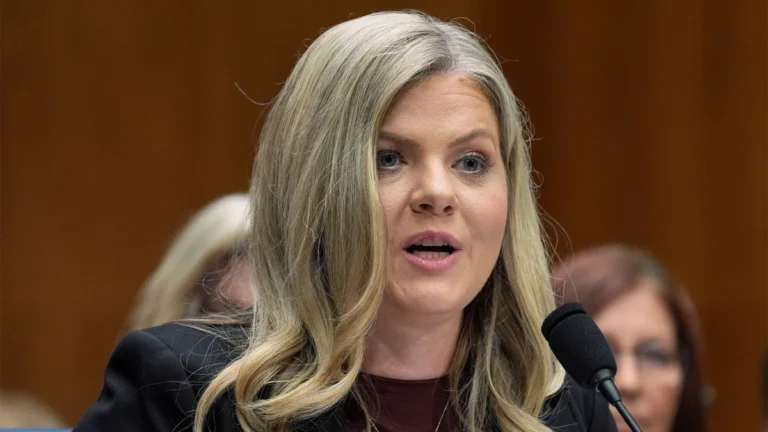
The landscape of American pediatrics has undergone a seismic shift over the last four years. While clinicians have traditionally focused on physical milestones, vaccinations, and acute illnesses, a new and more complex challenge has moved to the forefront of the examination room: a profound and escalating crisis in child and adolescent mental health. Dr. Nicole Brown, Chief Health Officer at Strong Children Wellness, recently underscored the gravity of this situation, noting that pediatric providers are now on the front lines of an "unprecedented surge" in psychological distress among their youngest patients.
The crisis has reached such proportions that the American Academy of Pediatrics (AAP), the American Academy of Child and Adolescent Psychiatry (AACAP), and the Children’s Hospital Association (CHA) have taken the extraordinary step of jointly declaring the soaring rates of child mental health conditions a national emergency. This declaration is not merely symbolic; it serves as a clarion call for a total restructuring of how mental health is screened, managed, and integrated into primary pediatric care.
The core of the issue lies in the intersection of biological vulnerability and environmental stressors. Pediatricians are seeing a dramatic increase in social isolation, depression, anxiety, and trauma-related disorders. Furthermore, the crisis is not distributed equally. Children contending with "social determinants of health" (SDOH)—including poverty, food insecurity, housing instability, and systemic racism—are experiencing the highest rates of mental health morbidity. For these children, the primary care provider acts as the "critical gateway" to a mental health care system that is currently under-resourced and overextended.
Chronology: From Fragility to Collapse
To understand the current state of pediatric mental health, one must look at the timeline of the last decade, which saw a gradual decline in youth well-being followed by a sharp, pandemic-induced acceleration.
Pre-2020: The Fragile Foundation
Even before the global health crisis of 2020, the mental health care system for children was described as "fragile." Suicide rates among children and adolescents had been rising steadily for a decade, and access to child psychiatrists was notoriously difficult, with long wait times and significant geographical disparities. Primary care pediatricians were already beginning to manage more mental health cases, though many felt undertrained for the task.
2020-2021: The Pandemic Catalyst
The arrival of COVID-19 acted as a pressure cooker for these existing issues. The sudden cessation of in-person schooling, the loss of extracurricular outlets, and the pervasive fear of illness created a vacuum of social support. For many children, school was not just a place of learning but a primary source of mental health services and a safe haven from domestic stressors. When schools closed, these lifelines vanished.
During this period, clinicians began to observe a shift in patient presentations. Routine check-ups were increasingly dominated by parental concerns regarding behavioral changes, irritability, and withdrawal. The trauma was compounded for children who lost parents or caregivers to the virus—an estimated 140,000 children in the U.S. during the first 15 months of the pandemic alone.
2022-Present: The Declaration of Emergency and the New Normal
By late 2021 and into 2022, the surge in emergency department visits for mental health reasons prompted the AAP and AACAP to issue their joint declaration. Since then, the focus has shifted from reactive crisis management to proactive, universal screening. The medical community has realized that the "return to normal" did not include a return to pre-pandemic mental health levels; instead, it revealed a "new normal" characterized by heightened anxiety and a lower threshold for psychological distress among the youth population.
Supporting Data: Quantifying the Toll
The statistics surrounding this crisis provide a sobering look at the scale of the challenge facing pediatricians like Dr. Brown.
The 20% Metric and Younger Demographics
One of the most startling statistics is that more than 20% of children aged 5 to 12 have reported worsened mental health since the start of the pandemic. This debunks the myth that mental health issues are primarily a concern for adolescents. Younger children, whose brains are in a critical stage of emotional development, have been deeply impacted by the instability of the last few years.
The Impact of Social Determinants
Data from Dr. Brown’s practice at Strong Children Wellness highlights the role of social needs. Children facing poverty or food insecurity are significantly more likely to experience "toxic stress"—a physiological response to prolonged adversity that can permanently alter brain architecture.
- Poverty: Children in low-income households are two to three times more likely to develop mental health conditions than their more affluent peers.
- Exposure to Violence: Increased domestic tension during lockdowns led to higher rates of trauma exposure, which is a primary driver of childhood depression and PTSD.
- Disparities in Care: Black and Latino children are less likely to receive mental health treatment than white children, even when presenting with similar symptoms, often due to a lack of culturally competent care and systemic barriers to access.
The Screening Gap
Research indicates that while nearly all pediatricians recognize the importance of mental health, universal screening for both mental health and SDOH has historically been low. However, in practices that have implemented universal screening protocols, identification of "at-risk" children has increased by as much as 50%, allowing for intervention before a child reaches a crisis state.
Official Responses: Integration and Innovation
In response to the emergency, medical organizations and private groups have developed frameworks to support pediatricians who are now essentially serving as first responders for mental health.
The AAP and AACAP Strategy
The official stance of the American Academy of Pediatrics is that mental health must be "integrated" into the medical home. This means moving away from a "referral-only" model—where a pediatrician simply gives a family a phone number for a psychiatrist—and toward a "collaborative care" model. In this setup, mental health professionals work within the pediatric office, and pediatricians are empowered to initiate treatment for mild to moderate depression and anxiety.
Strong Children Wellness and Universal Screening
Dr. Nicole Brown’s team has implemented a model of universal screening. This involves standardized tools used at every well-child visit to assess not just symptoms of anxiety or depression, but also the environmental factors (SDOH) that contribute to them. By identifying food or housing insecurity early, the medical team can connect families with social services, effectively treating the root causes of psychological distress.
The DBSA Mood Crew®: A Tool for the Youngest Patients
A significant challenge identified by Dr. Brown is the lack of "language" for younger children to express complex emotions. To fill this gap, the Depression and Bipolar Support Alliance (DBSA) launched the Mood Crew®.
This program is designed for children ages 4 to 10 and features ten emotion-based characters (such as "Sadness," "Anger," or "Joy"). Each character has a biography and associated activities. The goal is to provide parents, educators, and clinicians with a structured way to help children build an "emotional vocabulary."
- Educational Impact: By giving a "big" feeling a name and a character, children can externalize their emotions, making them less frightening and easier to discuss.
- Clinical Utility: Pediatricians use these tools during visits to facilitate conversations that might otherwise be difficult for a six-year-old to articulate.
Implications: Building Long-Term Resilience
The implications of the current pediatric mental health crisis extend far beyond the walls of the doctor’s office. If left unaddressed, this generation of children faces long-term consequences that could impact the social and economic fabric of the nation.
The Cost of Inaction
Untreated childhood mental health conditions often persist into adulthood, leading to lower educational attainment, reduced workforce participation, and increased rates of substance abuse and involvement with the justice system. The "toxic stress" experienced by children in high-risk environments can also lead to physical health complications later in life, including cardiovascular disease and autoimmune disorders.
The Power of Resilience
The focus on "building blocks for resilience," as mentioned by Dr. Brown, suggests that the crisis can be mitigated through early intervention. Resilience is not an innate trait but a skill that can be fostered. When children are taught to communicate their feelings and when their basic social needs are met, they develop the "psychological callouses" necessary to navigate future challenges.
Policy and Systemic Change
The current situation mandates a shift in healthcare policy. This includes:
- Reimbursement Reform: Insurers must adequately compensate pediatricians for the additional time required for mental health screenings and counseling.
- Workforce Expansion: There is a desperate need for more child and adolescent psychiatrists, particularly in rural and underserved urban areas.
- School-Based Integration: Mental health tools like the Mood Crew should be integrated into school curricula to normalize emotional education from an early age.
Conclusion
The letter from Dr. Nicole Brown serves as both a warning and a roadmap. The "national emergency" in pediatric mental health is a multifaceted problem requiring a multifaceted solution. By combining universal screening, addressing social determinants of health, and utilizing innovative tools to build emotional literacy in the youngest patients, the pediatric community is working to "turn the tide."
As Dr. Brown articulates, learning to communicate "big" feelings is the first step toward healing. For the millions of children currently navigating the aftermath of a global pandemic and the pressures of modern society, these building blocks of resilience are not just educational tools—they are essential components of life-saving medical care. The success of these initiatives will determine the well-being of an entire generation, making the integration of mental health into pediatric care the most critical healthcare frontier of the 21st century.