











The Ripple Effect of Silence: A Family’s Journey Through Loss and the National Mental Health Crisis
By Aria Lovelace
Published: September 22, 2026
The holiday season is traditionally a period of connection, yet for many American families, it serves as a stark reminder of those no longer present at the table. For one family straddling the Virginia-North Carolina border, the festive lights of December were forever dimmed by a single notification on a smartphone. The suicide of a beloved uncle—a man described as the "king of jokesters"—highlights a growing national concern: the "silent sufferer" phenomenon and the complex, often digital, landscape of modern grief.
Main Facts: A Tragedy Delivered via Snapchat
In the winter of 2020, amidst the height of COVID-19 social distancing mandates, the Lovelace family was navigating the typical stresses of a pandemic-era Christmas. The atmosphere was one of "bickering"—a lighthearted family tradition that earned them the nickname "The Bickersons." However, this mundane domestic scene was shattered by a message on Snapchat, an unconventional medium for life-altering news.

The news arrived not through a formal phone call or a knock at the door, but via a social media app. Aria Lovelace, then a teenager, received a "long and serious" message from her older cousin. The content was irrevocable: her uncle had died by suicide.
This incident underscores a shifting paradigm in how traumatic news is disseminated in the digital age. For younger generations, the barrier between casual social interaction and profound tragedy has been eroded by the immediacy of instant messaging. The juxtaposition of a "southernism" like "hey girl" with the announcement of a family member’s death illustrates the jarring reality of modern crisis communication.
Chronology: From Disbelief to a New Reality
The timeline of the event reveals the psychological stages of trauma, beginning with the "annoyance" of a typical evening and ending with the realization of a permanent void.
The Evening of the Incident
The evening began with standard family friction. Aria and her brother were engaged in their usual banter while their father attempted to maintain peace. In a moment of digital escapism, Aria opened Snapchat to coordinate a socially distanced Christmas light tour with her cousin—a plan necessitated by the travel restrictions of the time.

The Moment of Impact
Upon opening the app, the gravity of the message was immediately apparent. Unlike her cousin’s usual persona, which was defined by pranks and humor, the message was somber. The initial reaction was not sorrow, but a defensive skepticism. Lovelace recounts asking, "Is this a joke?" and "You’re not joking, this isn’t a dare… really?"
The Confirmation
The denial persisted until the intervention of her father. Despite the initial shock, the family’s patriarch provided the sobering confirmation. The transition from the living room couch to the parents’ bedroom, where the news was broken to Aria’s mother, marked the official end of the family’s "old life." The mother’s initial reaction—denial fueled by the haze of sleep—mirrored the collective shock of the household.
The Aftermath: Christmas Eve 2020
In the weeks following the tragedy, the family’s oral history was rewritten. Stories of the Outer Banks, once filled with nostalgic tales of KISS albums and beach bonfires, were now "colored with melancholy and regret." On Christmas Eve, in a bid to provide a source of comfort and a new focus for their grief, the family adopted a Rottweiler named Hollybelle from the ASPCA. This "spur-of-the-moment" decision served as a therapeutic anchor for the mother and children alike.
Supporting Data: The "Silent Sufferer" and Pandemic Trends
The Lovelace tragedy is a microcosm of a broader public health crisis. Statistics from the Centers for Disease Control and Prevention (CDC) and mental health organizations provide context to the "charming jokester" who hides deep-seated pain.

- The Mask of Humor: Research into "smiling depression" suggests that individuals who appear high-functioning and jovial—much like the uncle described as someone who "never met a stranger he couldn’t charm"—are often at high risk because their symptoms are hidden from those closest to them.
- The Impact of COVID-19: According to a 2021 study by the Kaiser Family Foundation, the pandemic significantly exacerbated mental health challenges. Isolation, the disruption of holiday traditions, and economic uncertainty created a "perfect storm" for those already struggling with suicidal ideation.
- Survivors of Suicide Loss: It is estimated that for every one person who dies by suicide, approximately 135 people are affected, ranging from immediate family to the broader community. In the uncle’s small coastal town, the impact was described as a change in the "trajectory of countless lives."
- The Role of Pets in Trauma: Studies published in the Journal of Psychiatric Research indicate that emotional support animals can significantly reduce symptoms of PTSD and depression in survivors of sudden loss. The adoption of Hollybelle aligns with clinical observations that caring for a living being can provide a sense of purpose during the grieving process.
Official Responses and Expert Insights
While there is no "official" governmental response to a private family tragedy, mental health advocates and clinicians offer a framework for understanding such events.
The Evolution of Crisis Intervention
Organizations like Active Minds and the American Foundation for Suicide Prevention (AFSP) emphasize that suicide is rarely the result of a single event but rather a combination of health, environmental, and historical factors. Experts point out that the uncle’s ability to "remember interests you couldn’t remember giving him context for" suggests a high level of empathy—a trait that, while positive, can sometimes be associated with individuals who absorb the emotions of others while neglecting their own.
The Digital Delivery of Grief
Psychologists have begun to study "Digital Grief," noting that receiving news of a death via social media can complicate the grieving process. The lack of physical presence and the "type-delete-type" cycle described by Lovelace can lead to a sense of unreality and prolonged shock.
The Importance of the 988 Lifeline
In response to the rising rates of suicide, the U.S. government transitioned the National Suicide Prevention Lifeline to the easy-to-remember 988 number in 2022. This move was designed to provide an immediate, professional alternative to the "Snapchat" method of crisis management, offering a centralized resource for those in the midst of a mental health emergency.
Implications: The Long-Tail of Trauma
The implications of this event extend far beyond the 2020 holiday season. For the Lovelace family, and for the nation, the tragedy serves as a catalyst for several long-term shifts in perspective.
The End of Stigma
The narrative highlights the need to move away from the "rebellious idealism" of the past and toward a more transparent conversation about mental health. The fact that the uncle was a beloved community figure proves that suicide does not have a "face"; it can affect the most seemingly resilient individuals.
The Legacy of the "Outer Banks"
The "rose-tinted rendition" of childhood in the Outer Banks has been replaced by a more nuanced understanding of family history. For the younger generation, this involves reconciling the "riotous retellings" of the past with the painful reality of the present.
Community Resilience
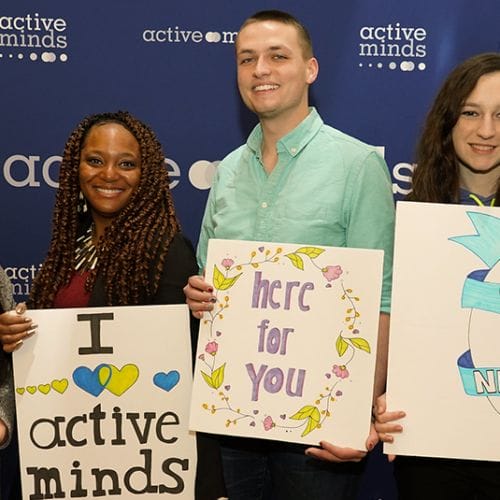
The story concludes with a message of proactive support. The inclusion of the 988 Lifeline and the "Validate-Appreciate-Refer" (V-A-R) model championed by organizations like Active Minds provides a roadmap for others. The primary implication is that "wellness comes from remembering who you are," but also from having the courage to ask for help when the "jokester" mask becomes too heavy to wear.
As Aria Lovelace notes, the dog Hollybelle was perhaps more for her mother than for the children. It represents the "small wins" in the face of overwhelming loss—a reminder that while the trajectory of a life can change in an "innocuous Wednesday afternoon," the path toward healing is a long, deliberate journey supported by community, memory, and the courage to speak the truth.
Resource Directory:
- National Suicide & Crisis Lifeline: Call or Text 988
- Crisis Text Line: Text HOME to 741741
- The Trevor Project (LGBTQ+ Youth): 1-866-488-7386
- Active Minds: activeminds.org