





For decades, the fitness industry has relied on the "inner-thigh machine"—that ubiquitous, seated contraption at your local gym where you press padded levers together—as the gold standard for toning the adductor muscles. However, for individuals over the age of 55, this approach is increasingly being viewed as outdated, inefficient, and potentially disconnected from the functional needs of the aging body.
To achieve truly functional, toned, and resilient inner thighs, it is time to step away from the machines and embrace a more dynamic, gravity-based approach. By incorporating standing exercises, you can better mirror the way your body moves in the real world, promoting longevity, stability, and aesthetic strength.
The Science of Functional Aging: Why Seated Machines Fall Short
When you sit on a machine to isolate a single muscle group, you are engaging in "non-functional" training. In daily life, your adductors—the muscles that run along the inside of your thighs—do not work in isolation. They function in tandem with your hips, glutes, and core to maintain your center of gravity during tasks like walking, climbing stairs, or rising from a seated position.
Recent clinical research, including studies published in the Journal of Geriatric Physical Therapy, indicates that frontal-plane hip strength (which includes the adductors and abductors) is a primary predictor of fall risk in older adults. When you train on a seated machine, you essentially "turn off" the core and stabilizer muscles that protect your joints. By switching to standing exercises, you challenge your balance and coordination, effectively training your body to navigate the world with confidence.
We consulted with James Bickerstaff, CPT, a personal trainer at the renowned fitness education platform OriGym, to curate a routine that prioritizes functional movement, joint health, and muscle definition for the over-55 demographic.
The Core Philosophy: Why Standing Exercises Reign Supreme
The primary benefit of a standing routine is "muscle synergy." When you perform a squat or a lunge, your brain must coordinate a complex series of contractions across the entire kinetic chain. This is not just about aesthetics; it is about building a body that is resilient against injury.
"Standing exercises bridge the gap between gym-based strength and real-world utility," explains Bickerstaff. "When you are on your feet, your adductors are constantly firing to stabilize your pelvis. This constant engagement, combined with the load of your own body weight, provides a much more effective stimulus for muscle tone than a machine ever could."
The 5-Move Protocol for Inner Thigh Strength
Bickerstaff’s routine is designed to be performed at home, requiring no equipment beyond a sturdy chair or wall for occasional balance support.
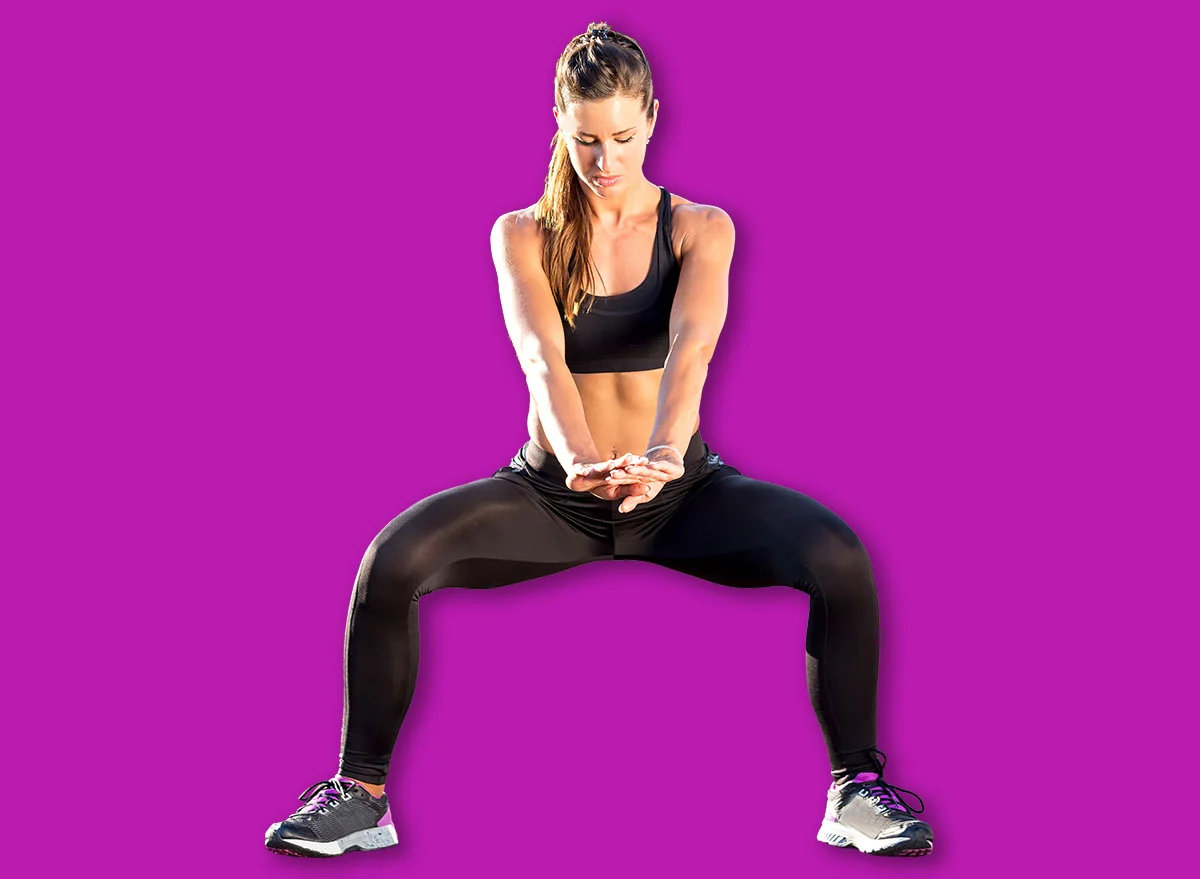
1. The Sumo Squat: The Multi-Target Powerhouse
The sumo squat is the cornerstone of any lower-body program, but by adjusting your stance, you turn it into a dedicated inner-thigh sculptor.
- The Technique: Stand with your feet wider than shoulder-width apart, toes pointed outward at a 45-degree angle. Keep your chest tall and your core braced. Lower your hips as if sitting into a chair, ensuring your knees track directly over your toes.
- The Benefit: The wide stance places a significant mechanical demand on the adductors, forcing them to lengthen and contract through a full range of motion. Simultaneously, it engages the glutes and quadriceps, offering a comprehensive lower-body workout.
2. Standing Side Leg Raises: Enhancing Lateral Stability
Lateral movement is frequently neglected in standard fitness routines, which tend to focus on forward-and-back motions.
- The Technique: Stand near a wall for support. Keeping your spine neutral, lift one leg directly out to the side, maintaining a straight knee. Keep your torso upright—do not lean into the movement. Lower the leg with control.
- The Benefit: This move forces the supporting leg to engage its stabilizer muscles to keep you upright, while the moving leg activates the hip abductors and adductors. It is a critical exercise for improving gait and preventing the "wobble" often associated with loss of balance.
3. Standing Inner-Thigh Leg Raises: Targeted Adduction
This movement isolates the inner thigh by focusing on the "adduction" phase—pulling the limb toward the midline of the body.
- The Technique: Stand with your weight on your left leg. Keeping your right leg straight, sweep it across the front of your body toward the left side. Squeeze your inner thigh at the peak of the movement before returning to the start.
- The Benefit: This exercise helps improve pelvic stability. By strengthening the muscles that pull the legs together, you create a firmer, more toned appearance in the inner-thigh region while supporting the hip joint.
4. Lateral Lunges: The Dynamic Strength Builder
Lateral lunges are perhaps the most effective way to improve functional strength in the frontal plane.
- The Technique: From a standing position, take a wide step out to the side with your right foot. Keep your left leg straight as you sink your hips back and down into the right heel. Push off the right foot to return to the center.
- The Benefit: This move mimics the natural side-to-side motions required to step over obstacles or navigate uneven terrain. It forces the adductor of the straight leg to stretch and the adductor of the bent leg to work to pull you back to the standing position.
5. Standing Cross-Body Leg Swings: Mobility and Tone
The final move in the series focuses on fluidity and continuous muscle engagement.
- The Technique: Using a wall for balance, swing one leg across your body in a controlled, rhythmic arc. Keep the movement smooth rather than jerky. Ensure the inner thigh of the swinging leg leads the motion.
- The Benefit: This is an excellent "finisher" that encourages mobility through the hip capsule. By keeping the muscles under tension for a longer period, you increase blood flow and metabolic stress, which are both essential for muscle maintenance after 55.
Supporting Data: The Impact on Fall Prevention
It is important to emphasize that while the aesthetic goal is "firming," the physiological goal is "preventing." According to data from the National Institute on Aging, muscle mass begins to decline at a rate of 3–8% per decade after the age of 30, and this rate accelerates significantly after age 60.
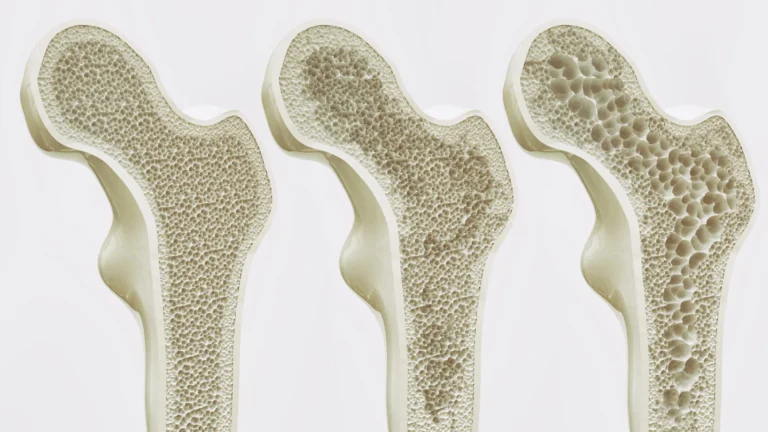
This sarcopenia—the age-related loss of muscle mass—is the silent culprit behind falls. By training the adductors, you are not just targeting the inner thigh; you are reinforcing the pelvic floor and hip joint. Strengthening these areas has been shown in various clinical trials to reduce the incidence of hip fractures by improving the body’s ability to catch itself during a trip or slip.
Implications for Your Fitness Journey
Incorporating these five moves into your weekly routine—ideally three times per week—requires no membership fees and minimal time. The beauty of this approach is its scalability.
Progression Tips:
- Tempo: Slow down the "lowering" phase of the sumo squat to three seconds. This increases "time under tension," which is the primary driver of muscle hypertrophy.
- Volume: Start with two sets of 10 repetitions per exercise. As you gain strength, increase to three sets of 15.
- Consistency: The secret to firming thighs after 55 is not high-intensity overload, but consistent, functional frequency.
Expert Conclusion: The Path Forward
The transition from gym machines to functional, standing exercises represents a significant shift in how we view aging. It is a move away from the idea that our bodies need "correction" in a machine and toward the understanding that our bodies need "preparation" for life.
James Bickerstaff’s program is more than a way to improve the tone of your inner thighs; it is a blueprint for maintaining independence. By focusing on these five movements, you are investing in a future where you can move with the strength, grace, and stability that defined your younger years.
Remember, strength is a habit. Whether you are 55, 65, or beyond, the muscles of the inner thigh remain ready to respond to the right stimulus. Step away from the chair, plant your feet firmly on the ground, and start building the foundation for a stronger, more capable version of yourself.