





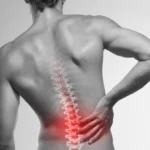




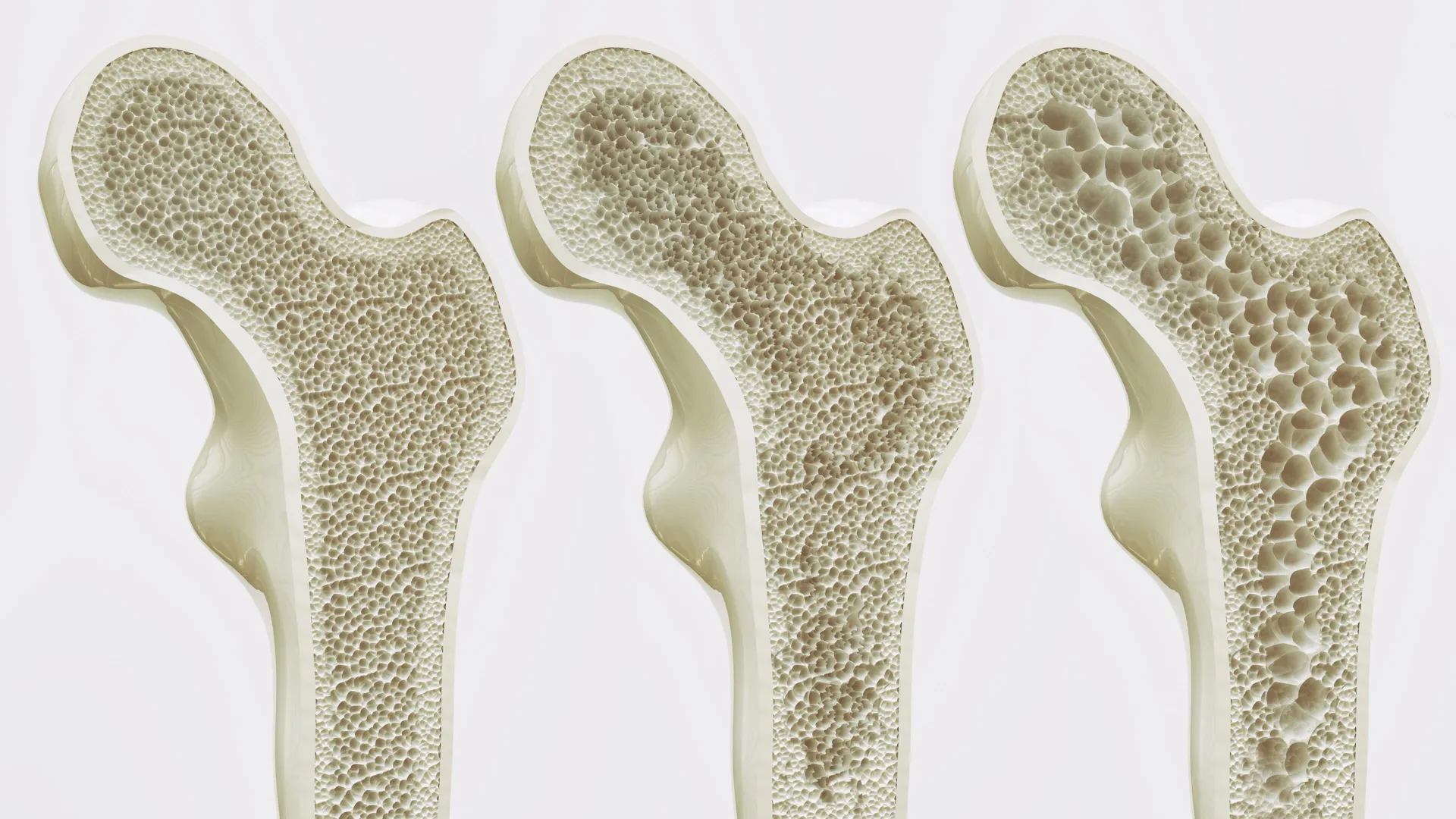
For decades, the standard medical advice for aging adults has been as predictable as a morning ritual: take your calcium and vitamin D to keep your bones strong and ward off the threat of fractures. It is a regimen so deeply ingrained in geriatric care that it has become a cornerstone of preventive medicine. However, a sweeping new meta-analysis published in The BMJ has cast a long shadow over this conventional wisdom, suggesting that for the vast majority of older adults, these supplements offer little to no meaningful protection against the falls and fractures that threaten their independence.
The High Stakes of Falls in Aging Populations
To understand the gravity of these findings, one must first look at the silent epidemic of falls among the elderly. As the global population ages, falls have emerged as a primary public health crisis. Statistics from health agencies globally indicate that nearly one in three adults aged 65 and older experiences a fall at least once a year.
The consequences of these incidents extend far beyond a simple bruise or a temporary setback. For an older adult, a fall can be a life-altering event. It often serves as the gateway to a cascade of complications, including hip or vertebral fractures, chronic pain, a prolonged loss of mobility, and a diminished quality of life. In many cases, these injuries necessitate a transition from independent living to residential or nursing care, fundamentally altering the trajectory of a person’s later years. Given these stakes, finding effective, evidence-based interventions to prevent falls is not merely a clinical preference—it is a critical public health necessity.
The Longstanding Logic of Bone Supplements
The rationale for recommending calcium and vitamin D has historically been rooted in sound biological principles. Calcium serves as the fundamental structural bedrock of the human skeleton, while vitamin D acts as the vital facilitator, enabling the body to absorb calcium effectively and maintaining the metabolic processes necessary for bone remodeling.
Because of this, clinicians and regulatory bodies have long advocated for supplementation. However, the path to the current study was paved with uncertainty. While the biological mechanism seemed clear, clinical data has been notoriously inconsistent. Previous systematic reviews have frequently failed to find a significant reduction in fracture risk when either nutrient was taken in isolation. When taken in combination, the results remained ambiguous, and researchers have long struggled to prove that vitamin D, in particular, has any measurable impact on the frequency or severity of falls.
Despite these inconsistencies, the practice of prescribing or recommending these supplements has grown exponentially. In recent years, the rate of supplementation has risen substantially, driven by clinical guidelines that prioritize "bone health" as a catch-all strategy for aging.
A Comprehensive Review: The Methodology
In an effort to move beyond the conflicting signals of past studies, a team of researchers in Canada undertook a massive undertaking. They conducted a meta-analysis of 69 randomized controlled trials (RCTs), involving a total of 153,902 participants.
The use of RCTs is significant here. In the hierarchy of medical evidence, randomized controlled trials are considered the "gold standard." By randomly assigning participants to either a treatment group (receiving calcium, vitamin D, or a combination) or a control group (receiving a placebo or no treatment), researchers are able to isolate the effects of the supplement from other variables, such as lifestyle, diet, or overall health.
The research team performed a rigorous assessment of each study, evaluating the risk of bias and the certainty of the evidence. By setting strict, pre-defined thresholds for what constitutes a "clinically meaningful benefit," the team sought to strip away minor statistical anomalies and focus on real-world impact.
The Data: A Lack of Meaningful Protection
The results of the analysis are striking in their clarity. After aggregating data from over 150,000 individuals, the researchers found that supplementation with calcium, vitamin D, or a combination of both resulted in little to no meaningful reduction in the risk of fractures.
Breakdown of the Findings:
- Calcium Supplements: The conclusion that calcium offered no significant protection was based on moderate-certainty evidence derived from 11 trials involving 9,067 participants.
- Vitamin D Supplements: Perhaps the most compelling evidence came from 36 trials involving 92,045 participants, where the research provided high-certainty evidence that vitamin D does not meaningfully reduce fracture risk.
- Combined Supplementation: Even when calcium and vitamin D were combined, high-certainty evidence from 15 trials involving 51,126 participants showed no significant protective effect against fractures or falls.
When the researchers drilled down into specific outcomes—such as hip fractures—the pattern remained consistent. Regardless of age, sex, prior history of falls, or baseline dietary calcium intake, the supplements failed to demonstrate a protective effect that would justify their status as a frontline preventive measure.
Important Exceptions and Nuances
While the researchers’ conclusions are broad, they are careful to acknowledge the limitations of the data. The study cautions that its findings are not a universal mandate for every individual. Patients with specific bone disorders, such as severe osteoporosis, or those already under specialized care or medication for bone health, may still require supplementation. These individuals have different physiological needs, and the study does not suggest they should abandon their current treatment plans without medical supervision.
Furthermore, while the consistency of the data across various subgroups (age, sex, and history) strengthens the researchers’ confidence in their conclusions, they remain open to the possibility that more targeted, well-powered trials might identify specific niches where supplementation could still prove beneficial.
The Call for a Policy Shift
The implications of this research are profound. The authors of the study do not mince words: they argue that current evidence does not support the routine use of calcium or vitamin D supplements for the purpose of preventing fractures and falls in the general older population.
They are calling for a systemic re-evaluation by clinical guideline panels and regulatory agencies. If the "bone health" narrative is to change, it must start with the organizations that set the standards for global health. The message is clear: we cannot continue to rely on a "one-size-fits-all" supplement strategy that is not backed by strong clinical evidence.
Beyond the Pill: A New Focus on Physicality
In a linked editorial, independent experts reinforced the study’s findings, suggesting that the medical community needs to pivot its resources toward strategies that have actually been proven to reduce the risk of falling.
If supplements are not the answer, what is? The editorial emphasizes the efficacy of physical activity and functional training. Specifically, the authors point to:
- Balance Training: Exercises designed to improve proprioception and stability are far more effective at preventing falls than any pill currently on the market.
- Resistance Training: Strengthening the muscles that support the skeletal frame helps maintain physical function and reduces the impact of falls should they occur.
- Comprehensive Risk Assessment: Preventing falls often involves a holistic view of the patient’s environment. This includes identifying and removing household hazards, reviewing existing medications that might cause dizziness, and providing education tailored to the individual’s specific risk profile.
The Path Forward
The BMJ study marks a turning point in the conversation surrounding aging and bone health. It challenges the medical establishment to move away from the convenience of universal supplementation and toward a more nuanced, evidence-based approach to patient care.
For older adults, the lesson is empowering: the secret to maintaining mobility and health as we age likely lies not in a bottle of supplements, but in the deliberate effort to remain active, strong, and aware of our physical environment. While the findings may feel like a departure from decades of advice, they ultimately offer a more effective roadmap for long-term health, suggesting that the most meaningful interventions are often the ones that require us to move, rather than just consume.