










September 29, 2026 — In a pivotal shift for the management of brain metastases, results from a landmark phase III clinical trial have established fractionated stereotactic radiosurgery (SRS) as a superior standard of care compared to traditional single-fraction delivery for patients undergoing surgical resection of large tumors.
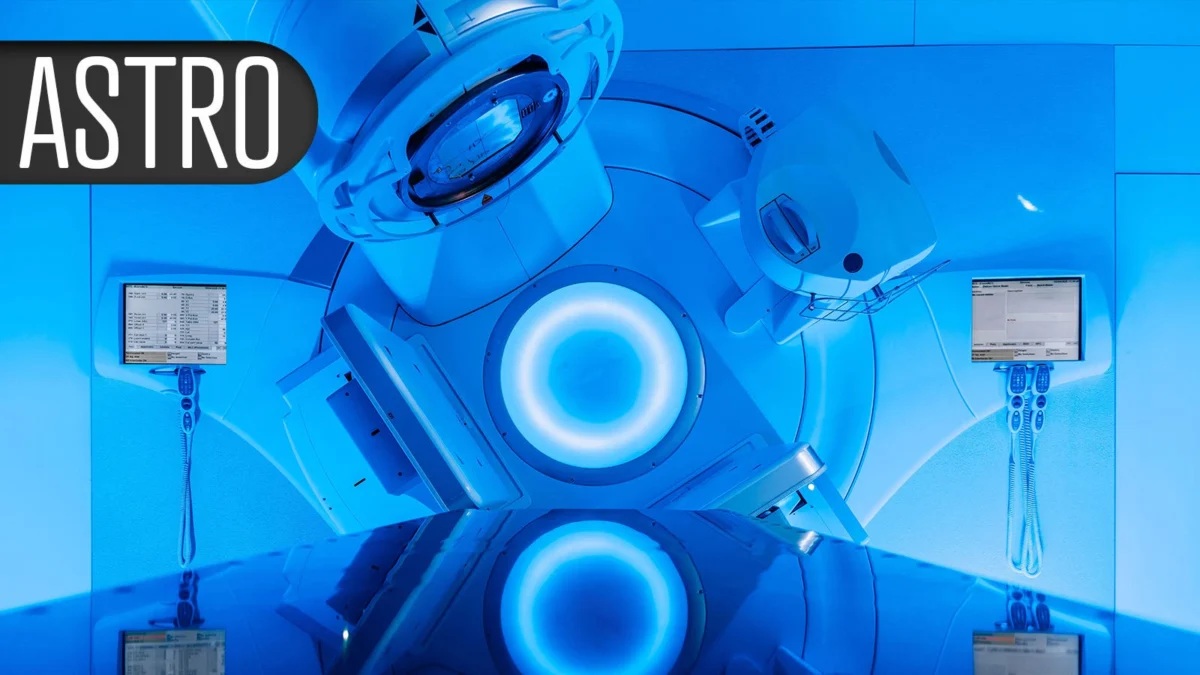
The findings, presented at the American Society for Radiation Oncology (ASTRO) annual meeting in Boston, offer a promising outlook for patients, demonstrating not only improved local control of the surgical site but also significant gains in overall survival without an increase in treatment-related toxicity.
The Core Findings: A Shift in Clinical Practice
For years, the standard postoperative approach for resected brain metastases has been single-fraction SRS. While effective, this method has been plagued by relatively high recurrence rates, particularly in larger tumors. The Alliance A071801 trial, a multicenter study, sought to challenge this status quo by comparing single-fraction treatment against a fractionated approach—delivering radiation in three to five sessions.
The results were compelling:
- Surgical-bed control: Improved from 81% in the single-fraction group to 87% in the fractionated cohort at one year.
- Overall Survival (OS): The median OS jumped from 20.2 months to 28.6 months for those receiving fractionated SRS.
- Salvage Therapy: Patients in the fractionated arm were less likely to require subsequent whole-brain radiation therapy (WBRT), with 94% freedom from salvage WBRT at one year, compared to 84% in the single-fraction group.
Dr. Ayal Aizer, the study’s lead investigator from Mass General Brigham and Dana-Farber Cancer Institute, emphasized the gravity of these findings. "This study moves fractionated radiosurgery from a reasonable practice supported by retrospective data to one backed by a randomized phase III trial," Aizer stated. "We now have the strongest evidence to date that three to five sessions should be considered a standard postoperative treatment for patients with larger brain metastases."
Chronology: From Retrospective Observations to Phase III Validation
The journey to this clinical milestone has been marked by a gradual evolution in radiotherapy technology and strategy.
The Legacy of Single-Fraction SRS
Nearly a decade ago, two major randomized trials—one based in North America and another single-center study—cemented single-fraction SRS as the go-to treatment after surgical resection. These studies provided the framework for modern neuro-oncological care. However, clinicians soon observed a significant limitation: the "Achilles’ heel" of single-fraction SRS was the surgical cavity itself.
In both foundational studies, the one-year recurrence rate at the surgical bed hovered between 28% and 40%. Subset analyses began to reveal a pattern: larger metastases were consistently more prone to local failure when treated with a single, high-intensity dose of radiation.
The Rise of Fractionation
As clinical experience grew, practitioners began to adopt fractionated regimens, theorizing that dividing the dose over several days might spare healthy brain tissue while providing a more effective "biological punch" to residual tumor cells. While retrospective studies supported this hypothesis, the medical community remained cautious, lacking the "gold standard" of randomized, prospective data.
The A071801 Trial
Initiated to resolve this clinical ambiguity, the Alliance A071801 trial was designed to provide the definitive answer. The trial recruited 242 patients with up to four brain metastases, including at least one lesion ≥2 cm that had been surgically removed.
The trial protocol was rigorous:
- Single-Fraction Arm: Patients received variable doses based on lesion size.
- Fractionated Arm: Patients received 27 Gy in three fractions or 30 Gy in five fractions, tailored to the specific dimensions of the surgical bed and unresected lesions.
Supporting Data and Statistical Significance
The statistical power of the A071801 trial provides a clear mandate for change. The primary endpoint—surgical-bed control at one year—showed a 47% reduction in the hazard ratio for the fractionated group (95% CI 0.28-1.00, P=0.046).
Perhaps most striking was the secondary endpoint of overall survival. The 8.4-month improvement in median survival resulted in a hazard ratio of 0.66 (95% CI 0.46-0.94, P=0.02). This suggests that the benefits of fractionated therapy extend beyond simple local site management, potentially influencing the long-term clinical trajectory of the patient.
Crucially, these gains were not achieved at the expense of safety. Concerns that fractionated therapy might increase side effects, such as radiation necrosis or cerebral edema, were addressed by the data. The trial reported similar rates of radiation necrosis (11% for single-fraction vs. 13% for fractionated) and cerebral edema (9% vs. 8%), suggesting that the fractionation strategy is as safe as it is effective.
Expert Perspectives and Official Responses
The medical community has received the findings with a mix of professional validation and thoughtful caution. Dr. Rupesh Kotecha of the Baptist Health Herbert Wertheim Cancer Institute, who served as a discussant at the ASTRO meeting, provided a nuanced perspective.
"The bottom line: If postoperative external beam radiotherapy is chosen after upfront resection, then postoperative fractionated radiosurgery is the new standard of care," Dr. Kotecha remarked.
While the improvement in local control is clinically undeniable, Dr. Kotecha urged the scientific community to conduct further investigation into the secondary endpoints. "The OS difference is substantial, but it requires more study to explore potential explanations," he noted. "We need to understand if this improvement is a direct result of better local control preventing neurological decline, or if other variables in the patient population contributed to this survival benefit."
Despite the need for mechanistic research, the consensus is clear: the data provide a robust foundation for shifting clinical practice. The study effectively closes the door on the debate regarding the superiority of fractionation for larger lesions.
Implications for Future Care and Patients
The implications of the A071801 trial are far-reaching, promising to reshape how oncology departments manage brain metastasis.
Setting a New Standard of Care
For clinicians, the primary takeaway is a mandate for change. When faced with a patient undergoing resection for a large brain metastasis, the decision-making process now has a clear, evidence-based default. The shift from single-fraction to fractionated SRS is expected to reduce the incidence of recurrence at the surgical site, thereby reducing the need for aggressive salvage therapies like WBRT, which can carry a higher risk of cognitive side effects.
Improving Quality of Life
By reducing the need for salvage WBRT, fractionated SRS preserves more of the patient’s neurological function. The ability to control the disease site with a targeted, fractionated approach allows patients to maintain a better quality of life during a period of high clinical vulnerability.
The Future of Neuro-Oncology Research
As the field moves forward, researchers are likely to build upon this data to refine dose-fractionation schedules further. The success of this trial also highlights the power of the Alliance Clinical Network in conducting high-impact, multicenter research that directly informs daily practice.
Ultimately, the A071801 trial serves as a reminder of the importance of testing long-held clinical standards against evolving technology. By challenging the status quo of single-fraction SRS, investigators have provided patients with a better chance at longer, more stable survival—a testament to the progress of modern radiation oncology.