







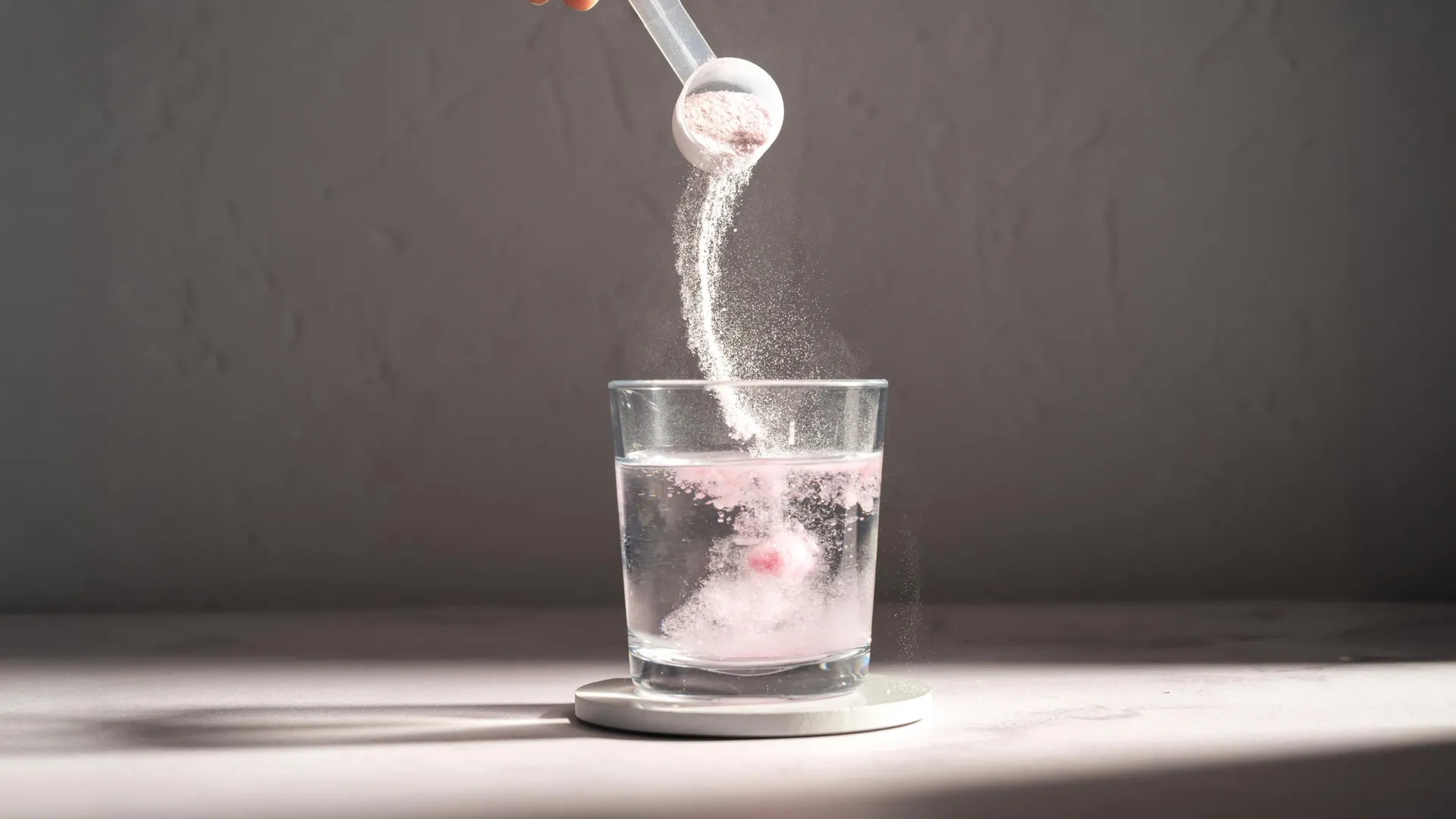
For decades, the image of the creatine tub has been inextricably linked to the locker room—a staple for bodybuilders and collegiate athletes seeking that final rep or a slight edge in explosive power. However, a landmark study from Texas A&M University is challenging the long-held perception that creatine is exclusively a tool for the elite athletic community.
New research suggests that for adults in the middle stages of life, creatine may be a critical ally in the fight against sarcopenia—the age-related loss of muscle mass—and a potent catalyst for metabolic health. As researchers peel back the layers of how this compound interacts with human physiology, it is becoming increasingly clear that the benefits of creatine extend far beyond the bench press, offering a promising strategy for healthy aging.
Main Facts: The Texas A&M Findings
In a comprehensive 12-week intervention published in the Journal of the International Society of Sports Nutrition, researchers sought to determine whether creatine monohydrate could provide tangible physical benefits to adults aged 45 to 65. The study, which involved 64 healthy participants, yielded results that surprised even seasoned investigators.
The core discovery was twofold: first, that creatine supplementation can induce muscle growth and strength gains even in the absence of a structured exercise regimen; and second, that when paired with a calorie-restricted, exercise-focused lifestyle, creatine acts as a "metabolic anchor," preserving lean muscle mass while simultaneously accelerating fat loss.
For those who remained sedentary, the simple addition of 10 grams of creatine per day resulted in a gain of roughly 2.4 pounds of lean tissue and measurable improvements in leg and bench press strength. For those who engaged in a three-day-per-week program of resistance and aerobic training, the results were even more pronounced, with superior gains in strength and endurance compared to the placebo group.
Chronology of a Scientific Journey
To understand the weight of these findings, one must look at the historical context provided by the lead investigator, Dr. Richard Kreider. As a professor and director of the Exercise and Sport Nutrition Lab at Texas A&M, Dr. Kreider has dedicated over 30 years to the study of creatine.
The Foundation (1990s–2010s)
Early research in the 1990s solidified creatine’s status as the gold standard for performance enhancement. It was during this era that scientists mapped out how creatine restores cellular energy by replenishing adenosine triphosphate (ATP), the "energy currency" of the cell. For years, the scientific community focused almost exclusively on the "anabolic window" and explosive power, largely ignoring the potential geriatric or metabolic applications of the supplement.
The Shift in Focus (2020–2024)
As the global population began to age, the medical community turned its attention toward the "longevity crisis"—specifically, the rapid decline in muscle tissue that often leads to frailty, loss of mobility, and metabolic syndrome in adults over 50. Dr. Kreider and his colleagues began to shift their focus from the "athlete" to the "average adult," recognizing that if creatine could fuel a sprinter, it might also fuel the cellular machinery of an aging human.
The 2025 Milestone
The most recent study represents the culmination of this shift. By isolating the effects of creatine in both sedentary and active populations, the Texas A&M team provided the first clinical proof that creatine can be a viable therapeutic intervention for those who may not have the capacity for high-intensity training, as well as those looking to optimize their body composition during weight loss.
Supporting Data: The Mechanics of Change
The data generated by the 12-week trial provides a compelling case for creatine’s efficacy in mid-life. The study design involved rigorous controls, with participants randomized into groups consuming either 10 grams of creatine monohydrate or a placebo daily.
Strength and Tissue Gains
The most striking metric was the change in body composition. In the exercise group, participants followed a diet designed to create a modest calorie deficit. While the placebo group lost weight, they also lost significant muscle mass—a common and detrimental side effect of dieting. Conversely, those taking creatine added nearly three pounds of lean tissue while simultaneously shedding body fat.
Aerobic vs. Anaerobic Distinctions
The study also provided clarity on what creatine cannot do. While it excelled at improving leg and bench press strength and extending "time to exhaustion," it showed no significant improvement in aerobic capacity beyond what was achieved through exercise alone. This reinforces the established scientific consensus: creatine is a fuel for the phosphagen system (anaerobic power) rather than the cardiovascular system (aerobic endurance).
Safety Profile
Concerns regarding the long-term safety of creatine have persisted in public discourse despite overwhelming evidence to the contrary. In a 2025 meta-analysis, Dr. Kreider’s team reviewed 685 clinical trials, finding zero statistically significant differences in side-effect rates between the creatine-supplemented groups and the placebo groups. This high-level synthesis of data serves as a definitive rebuttal to common myths regarding kidney strain or dehydration in healthy individuals.
Official Responses and Expert Perspectives
The academic community has received the findings with significant enthusiasm, noting that the study provides a "missing link" in nutritional advice for aging populations.
"For too long, we have categorized creatine as a supplement for the young and the fit," says Dr. Kreider. "Our data suggests that we should be viewing it as a foundational nutrient for the aging process. The body produces it, and it’s found in meat, but the quantities required to achieve these metabolic benefits are virtually impossible to obtain through a standard diet without consuming excessive calories or fats."
He notes that to reach the 10-gram threshold used in the study through natural food sources alone, an individual would need to consume roughly five to 10 pounds of meat or fish daily—a feat that is both physiologically impractical and financially prohibitive.
Other independent nutritionists have noted that this study is unique because it addresses the "weight loss paradox." Many individuals in their 40s and 50s who attempt to lose weight inadvertently reduce their metabolic rate by losing muscle mass. By mitigating that muscle loss, creatine may help individuals maintain a higher basal metabolic rate, making weight loss more sustainable and effective in the long term.
Implications for Public Health
The implications of this research are far-reaching. As the global population continues to age, the burden of sarcopenia and metabolic disease is expected to rise sharply.
Combating Sarcopenia
Sarcopenia is often called the "silent epidemic" of aging. It leads to a loss of independence, increased risk of falls, and decreased quality of life. If a simple, safe, and inexpensive supplement like creatine can help maintain lean tissue in adults aged 45 to 65, it could serve as a low-cost, high-impact public health intervention.
Cognitive Considerations
While the Texas A&M study focused on physical markers, the researchers alluded to emerging evidence regarding cognitive health. Since the brain also relies on ATP for energy, there is a growing body of research investigating whether creatine can mitigate the cognitive decline associated with aging. By supporting cellular health in the body, it is hypothesized that creatine may play a role in maintaining neural efficiency as well.
A Paradigm Shift in Supplementation
The takeaway for the general public is clear: the "gym-bro" stigma surrounding creatine is outdated. If these findings hold up in larger, longitudinal trials, we may see a shift where creatine is recommended by physicians alongside Vitamin D or Omega-3 fatty acids as a standard component of a healthy aging protocol.
The research conducted at Texas A&M does more than confirm that creatine works; it provides a roadmap for how we might age with more strength, more metabolic flexibility, and more resilience. As we look toward the future of nutrition, creatine is moving from the shelf of the fitness supplement store to the medicine cabinet of the health-conscious adult.
The study was funded by the WoodNext Foundation through the Texas A&M Foundation, underscoring the importance of philanthropic investment in foundational nutritional science.