








Featured Buzz – January 11, 2026
The landscape of respiratory medicine is undergoing a profound transformation. As diagnostic tools evolve, clinicians are increasingly turning to artificial intelligence (AI) and non-invasive imaging to bridge the gap between early detection and effective clinical intervention. Recent studies published in leading medical journals—including eBioMedicine, the Journal of Perinatology, and Nature Communications—highlight three critical breakthroughs that promise to reshape how we manage Chronic Obstructive Pulmonary Disease (COPD), neonatal respiratory distress, and lower respiratory tract infections (LRTIs).
1. AI-Driven ECGs: A New Horizon for COPD Screening
The Core Challenge
Chronic Obstructive Pulmonary Disease (COPD) remains one of the leading causes of morbidity and mortality worldwide. Often referred to as a "silent killer," the disease is frequently underdiagnosed in its early stages because symptoms like chronic cough or mild breathlessness are dismissed by patients as signs of aging or smoking. By the time many patients undergo definitive spirometry testing, the disease has already progressed to a stage where lung function is significantly compromised.
The Breakthrough
Researchers from the Mount Sinai Health System have unveiled a novel approach to early detection: leveraging the ubiquitous electrocardiogram (ECG) as a screening tool for COPD. While ECGs are the standard for assessing cardiovascular health, Mount Sinai investigators hypothesized that the electrical signatures of the heart might also reflect secondary changes caused by lung hyperinflation and pulmonary hypertension—hallmarks of COPD.
Data Methodology and Validation
To test this, the research team curated a massive dataset consisting of 208,231 ECGs from 18,225 patients with confirmed COPD across five hospitals in the New York metropolitan area. These were compared against 552,771 ECGs from 59,356 age-, sex-, and race-matched controls.
Using this high-volume data, the team trained a Convolutional Neural Network (CNN)—a form of deep learning AI particularly adept at pattern recognition in images and waveforms. The model was engineered to identify the subtle, often imperceptible, electrical variations in the heart that correspond to pulmonary structural damage. The model underwent rigorous testing across three distinct cohorts, including two separate external validation groups, to ensure the findings were not artifacts of a specific hospital system’s patient population.
Clinical Implications
The researchers emphasize that this tool is not intended to replace spirometry—the gold standard for COPD diagnosis. Instead, it serves as a "pragmatic screening layer." By integrating AI-enhanced ECG interpretation into routine checkups, clinicians can flag at-risk patients long before they experience severe symptoms. Early recognition facilitates timely smoking cessation, the initiation of targeted inhaled therapies, and enrollment in pulmonary rehabilitation, all of which are essential to slowing disease progression and alleviating the long-term burden on the healthcare system.
2. Lung Ultrasound: Predicting Success for VLBW Infants
The Neonatal Challenge
For very low birth weight (VLBW) infants, the transition from mechanical ventilation to spontaneous breathing is a high-stakes clinical event. Premature infants suffering from respiratory distress syndrome (RDS) are often kept on ventilators to protect their fragile lungs. However, prolonged ventilation carries risks, including bronchopulmonary dysplasia and secondary infections. Determining the exact "right time" to extubate is notoriously difficult.
The Study Protocol
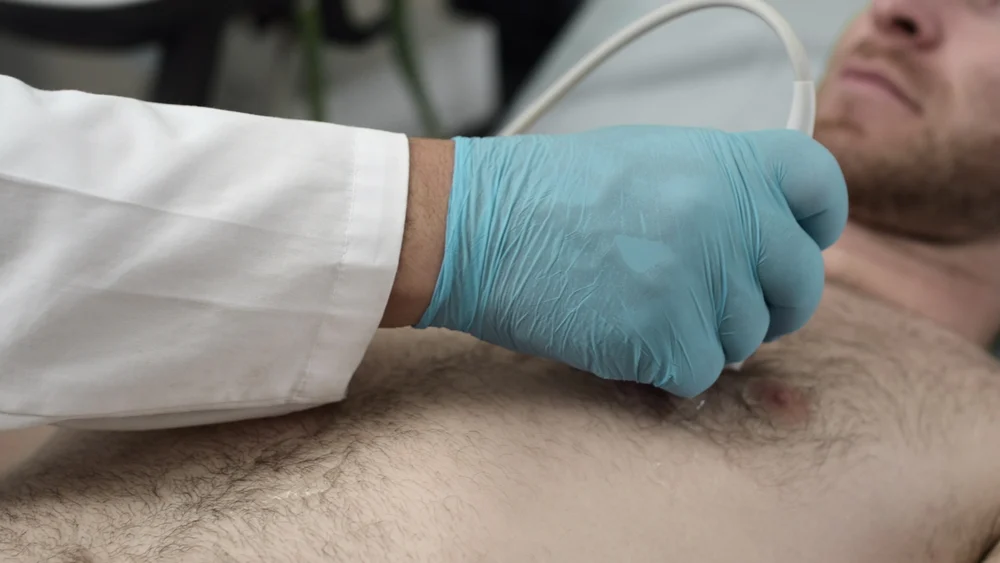
Researchers at the University of Chicago conducted a prospective study involving 45 VLBW infants to determine if Lung Ultrasound (LUS) could provide a more reliable metric for extubation readiness than traditional clinical assessment. Over the course of the study, 53 extubation attempts were monitored. In each instance, a lung ultrasound was performed three to six hours prior to the procedure.
Key Findings and Clinical Utility
The study defined a "failed extubation" as the need for reintubation within seven days. The researchers found that the neonatal-adapted LUS score was an exceptional predictor of success. Interestingly, the study also provided data regarding pharmaceutical interventions, noting that dexamethasone treatment—often used to reduce airway edema—was not significantly associated with lower LUS scores, providing clarity for neonatologists regarding the clinical utility of steroids in this specific context.
This development offers a non-ionizing, bedside tool that allows for real-time monitoring of lung aeration, providing a more objective physiological basis for extubation decisions than reliance on clinical intuition alone.
3. Combating Inappropriate Antibiotic Use in Critically Ill Patients
The Overuse Crisis
Lower respiratory tract infections (LRTIs) are a primary driver of antibiotic consumption in intensive care units (ICUs). Because distinguishing between bacterial pneumonia and inflammatory conditions (such as non-infectious lung injury) is notoriously difficult, clinicians often default to prescribing antibiotics "just in case." This practice fuels the global crisis of antibiotic resistance and exposes patients to unnecessary side effects.
The UCSF Diagnostic Model
A team at the University of California, San Francisco (UCSF) has developed a sophisticated AI-driven diagnostic framework that integrates biological and clinical data. The model hinges on the expression of a specific gene, FABP4, which acts as a biomarker for lung inflammation.
In healthy lungs, FABP4 is highly expressed, but in infected lung cells, its expression drops significantly. By combining the measurement of this biomarker with a generative AI analysis of electronic medical records (EMR)—specifically incorporating chest X-ray reports and physician clinical notes—the researchers created a high-precision diagnostic model.
Performance and Future Outlook
In an observational study of critically ill adults, the AI model achieved a 96% diagnostic accuracy rate, significantly outperforming the ICU clinicians. The researchers posit that if this tool were widely implemented, it could reduce the use of inappropriate antibiotics by over 80%.
"This study suggests that integrating a host biomarker with large language model analysis can improve LRTI diagnosis in critically ill adults," the authors stated. The UCSF team is currently moving toward clinical validation, with plans to adapt the model for the rapid diagnosis of sepsis—a condition where every minute of appropriate treatment is life-saving.
Synthesis: The Future of Precision Medicine
The common thread weaving these three studies together is the transition from "broad-spectrum" clinical practice to "precision" medicine. Whether it is using AI to find the subtle electrical signatures of COPD, utilizing ultrasound to visualize the micro-dynamics of a neonate’s lungs, or employing generative AI to interpret complex biomarkers in ICU patients, technology is providing clinicians with a higher resolution view of human health.
Official Perspectives and Implications
The academic and medical communities have reacted positively to these findings. The integration of HIPAA-compliant, large language model (LLM) interfaces, as demonstrated in the UCSF study, suggests that these tools may not remain in the realm of academic research for long. Instead, they are poised to become standard-of-care utilities.
However, the authors of these studies urge a measured approach. Implementation of AI in clinical workflows requires rigorous oversight to prevent algorithmic bias and ensure that the "human-in-the-loop" remains the final decision-maker. As we move into 2026, the potential for these technologies to reduce hospital stays, minimize the systemic overuse of medications, and catch life-threatening diseases in their infancy represents a massive leap forward for global pulmonary health.
Summary of Key Advancements
| Field | Technology | Primary Outcome |
|---|---|---|
| COPD Screening | Convolutional Neural Network (ECG) | Earlier detection and therapeutic intervention. |
| Neonatal Care | Lung Ultrasound (LUS) | Enhanced accuracy in extubation timing for VLBW infants. |
| Critical Care | FABP4 Biomarker + Generative AI | 80%+ reduction in inappropriate antibiotic usage for LRTIs. |
As these studies progress from validation to clinical implementation, the medical community will be watching closely to see how these digital and mechanical tools translate into long-term patient outcomes. The future of pulmonary care is becoming increasingly invisible to the naked eye, relying instead on the deep, data-driven insights that only modern technology can provide.