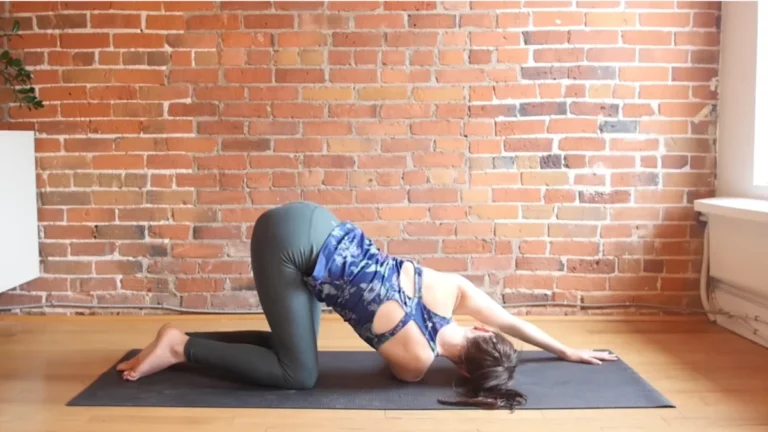






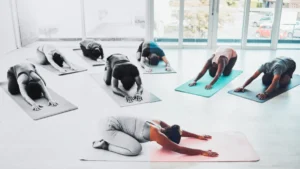


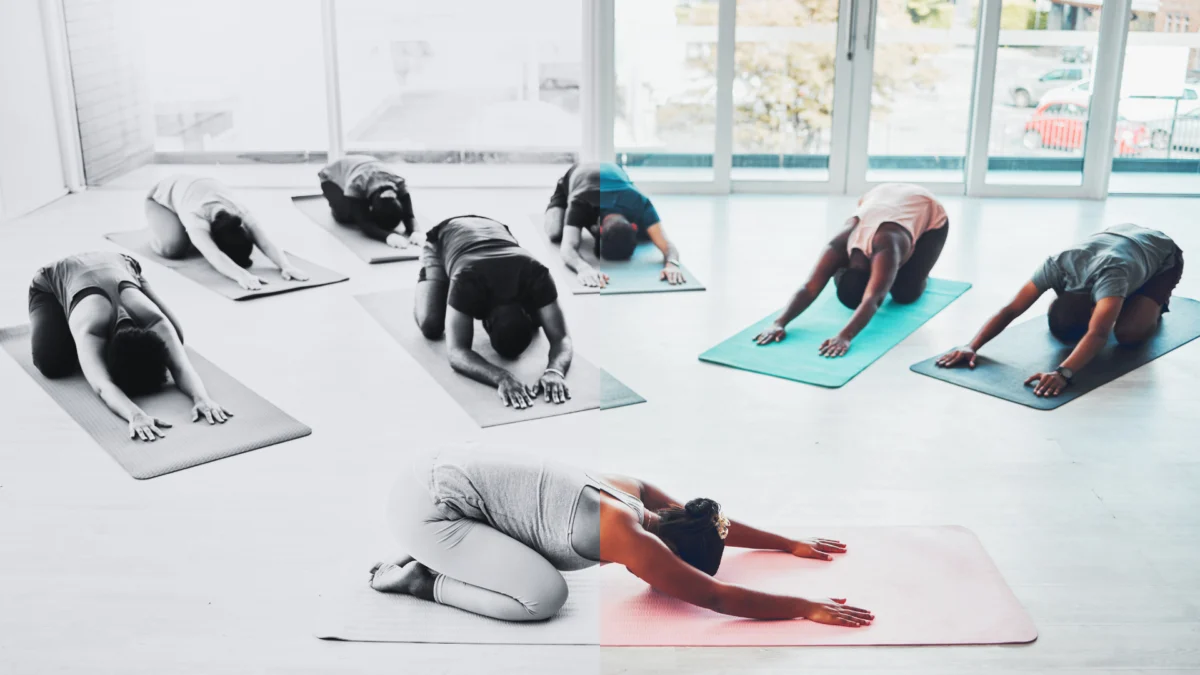
In the modern yoga studio, the atmosphere is often defined by the rhythmic sound of collective breathing and the precise, measured voice of the instructor. For decades, the gold standard of teaching has been the ability to provide clear, concise, and anatomically accurate instructions—often referred to as “cues.” However, a quiet revolution is taking place in the pedagogy of movement. Veteran yoga teacher and trainer Rachel Land suggests that the industry has reached a plateau by focusing solely on what a student should do and how they should do it. According to Land, the missing link in modern instruction is the why.
By shifting the focus from mere mechanical execution to purposeful intention, teachers can transform a routine exercise into a profound exercise in self-awareness. This shift not only deepens the student’s physical practice but also creates a lasting psychological bridge between the mat and the complexities of daily life.
The Evolution of the Yoga Cue: From Instruction to Inquiry
Historically, the evolution of yoga cues has mirrored the evolution of the practice in the West. As yoga transitioned from specialized, guru-led sessions to large-scale group fitness classes, the necessity for clear, standardized, and safe alignment cues became paramount. Teachers were trained to be masters of choreography, guiding students into shapes with the precision of a drill sergeant.
However, as the practice has matured, so has the student body. Today’s practitioners are looking for more than just a workout; they are seeking a holistic experience that promotes mental clarity and emotional regulation. When a teacher provides only the "what" and the "how," they risk turning the student into a passive follower. When a teacher introduces the "why," they transform the student into an active participant in their own nervous system regulation and physical health.
The Anatomy of a Cue: A Three-Tiered Framework
To understand the shift Land proposes, one must look at how a single movement—such as Cobra Pose (Bhujangasana)—can be communicated in three distinct ways:
- The Basic Cue (The What): “Lift your chest into Cobra.” This is functional but lacks depth. It assumes the student knows how to navigate the movement safely.
- The Technical Cue (The How): “Engage your low belly by drawing your pubic bone toward your navel, then lift your chest.” This adds an anatomical layer, helping the student build the necessary strength to enter the pose safely.
- The Intentional Cue (The Why): “Engage your low belly by drawing the pubic bone toward the navel to create more space along your low back. Keep that space as you lift your chest into Cobra.”
By incorporating the "why," the teacher provides the student with a tool—not just a command. The student now understands that the abdominal engagement is not just a arbitrary rule; it is a protective mechanism for their lumbar spine.
Chronology: How Teaching Styles Have Shifted
The professionalization of yoga instruction has seen several distinct phases over the last thirty years. In the 1990s and early 2000s, the focus was largely on aesthetic alignment. If a student looked like the picture in a book, the cue was considered successful.
By the 2010s, the focus shifted toward "functional movement" and anatomy-based teaching. Influenced by sports science and physical therapy, teachers began prioritizing how a pose felt over how it looked. They moved away from rigid alignment rules, favoring cues that encouraged individual variation based on skeletal structure.
Now, in the mid-2020s, we are entering the era of "Mindful Integration." The current pedagogical trend suggests that the most effective teachers are those who can synthesize the physical "how" with the philosophical or somatic "why." This move reflects a broader societal interest in mindfulness, where the goal of any practice is to cultivate a heightened state of awareness that persists long after the class concludes.
Supporting Data: Why Intentional Cues Increase Retention
While qualitative, the data regarding student retention in yoga and fitness classes consistently points to the importance of "teacher-student connection." Surveys of long-term yoga practitioners often highlight that they return to specific teachers not because of the difficulty of the sequence, but because of the "takeaway value" of the session.
Educational psychology suggests that adults learn best when they understand the relevance of the information being presented. This is known as Andragogy. When a student understands the why—for example, why hip-width distance in a High Lunge provides better pelvic stability—they are more likely to retain that information and apply it in subsequent classes.
Furthermore, research into "attentional focus" in motor learning shows that external cues (cues that focus on the goal or the effect of the movement) are more effective than internal cues (cues that focus on the body parts themselves). When a teacher explains the "why," they are often providing an external focus. They are pointing to the purpose of the movement, which helps the brain process the information more efficiently and leads to faster motor skill acquisition.
Official Perspectives: The Teacher’s Responsibility
Rachel Land, an expert in the field of teacher training, emphasizes that the goal of yoga is not to create a room full of people who can perfectly mimic a posture. Instead, it is to foster an environment where students learn to listen to their own bodies.
“Teachers often feel the pressure to keep talking,” Land notes. “They think that silence is a sign of a lack of instruction. But when you start cueing the ‘why,’ you realize that silence is actually a necessary part of the process. It gives the student space to process the ‘why’ you just gave them and apply it to their own unique anatomy.”
Industry leaders agree that the next generation of yoga teachers must move away from the "scripted" style of teaching. A script provides the "how," but a teacher who understands the "why" can adapt to the room. If a teacher notices a student struggling, they don’t just repeat the "how"; they explain the "why" to help the student find their own path to ease and stability.
Implications for the Future of Wellness
The shift toward intentional cueing has significant implications for the wellness industry at large.
1. Reducing Injury and Increasing Accessibility
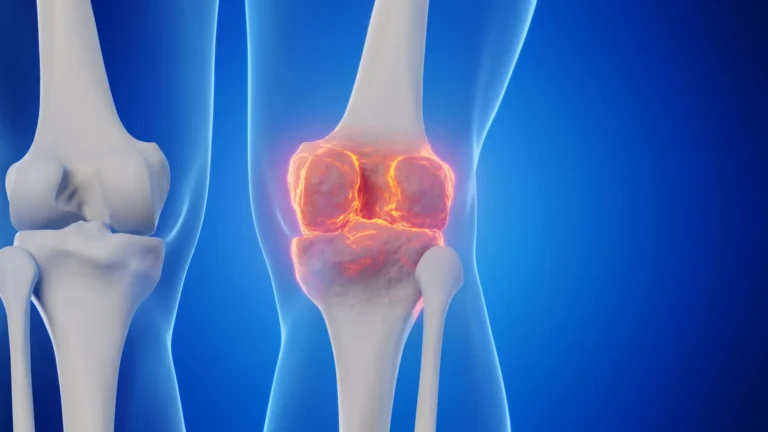
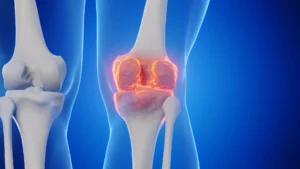
By prioritizing the why, teachers help students avoid injuries that stem from "blindly following." If a student understands that a specific knee alignment is meant to protect their meniscus, they are far less likely to push into a painful range of motion just to match the teacher’s example.
2. Bridging the Gap Between Mat and Life
The most profound implication of this pedagogical shift is the transfer of skills. If a teacher cues a student to find their breath during a challenging pose (the "how") and then links that to staying calm during a stressful situation at work (the "why"), the yoga class becomes a laboratory for life. The student learns that the skills of resilience, breath control, and patience are not limited to the yoga mat.
3. Creating a Sustainable Career for Teachers
Teachers who focus on the "why" often find that their classes are more intellectually and emotionally stimulating to teach. It allows them to lean into their own wisdom and personal practice rather than simply reciting a manual. This creates a more sustainable career path, preventing the burnout often associated with teaching the same rigid sequences repeatedly.
Conclusion: A New Standard of Communication
The art of the yoga cue is not a static skill; it is a dynamic conversation between the teacher and the student. While the "what" and the "how" provide the structure of a class, the "why" provides the heart. As the yoga community continues to evolve, the ability to communicate intention will likely become the defining characteristic of elite instruction.
For students, this means a practice that is no longer just about the physical shape of the body, but about the quality of their awareness. For teachers, it represents an invitation to deepen their own understanding, moving beyond choreography to truly empower their students. In the end, the most effective cues are those that eventually become unnecessary, because the student has learned the reason behind the movement and can carry that awareness with them, on and off the mat.