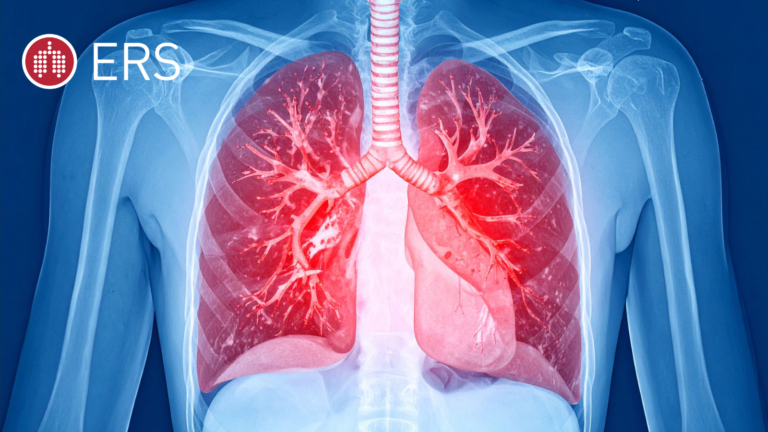




The fight against chronic respiratory disease is shifting from hospital wards to school classrooms. As long-term lung conditions continue to emerge as a preeminent public health challenge across the European Union, a groundbreaking initiative known as LungHealth4Life (LH4L) is attempting to rewrite the script on respiratory health. By targeting the formative years of childhood, the project seeks to move beyond reactive medicine, instead fostering a culture of preventative health literacy and early intervention.
Coordinated by the European Lung Foundation (ELF) under the Lungs Europe umbrella, the initiative operates on a fundamental premise: lung health is not merely a product of adult lifestyle choices, but a lifelong trajectory shaped by early-life genetics, environmental exposure, and socioeconomic conditions. Through a collaborative effort involving six European partners, LH4L is currently piloting school-based interventions that combine scientific education with clinical lung function testing.
The Core Mission: Bridging the Knowledge Gap
At its heart, LH4L is a grassroots response to the stark reality that respiratory health is deeply influenced by the "social determinants of health." Children raised in environments characterized by high air pollution, substandard housing, and lower socioeconomic resources are disproportionately at risk for developing chronic respiratory issues.
The project aims to empower the next generation with the knowledge required to navigate these environmental pressures. By conducting in-school sessions, LH4L provides children with a fundamental understanding of pulmonary physiology—how their lungs function, how they develop, and, crucially, how external factors like air quality and physical activity influence their breathing.
The initiative employs spirometry—the gold-standard test for assessing lung function—as a diagnostic and educational tool. By integrating these tests into the school day, the project removes the traditional barriers to clinical access, allowing children, their families, and their teachers to visualize the health of their lungs in real-time.
Chronology of Implementation: From Pilot to Policy
The rollout of LungHealth4Life has been characterized by a phased, localized approach designed to ensure cultural and contextual relevance.
Phase 1: Identifying High-Need Districts
Before a single session was held, the project teams identified specific geographic "hot spots" where environmental and social factors converged to create high respiratory risk. In both Poland and Portugal, organizers prioritized schools located in areas with known pollution issues and lower access to specialized health information.
Phase 2: The Polish Launch (Legionowo)
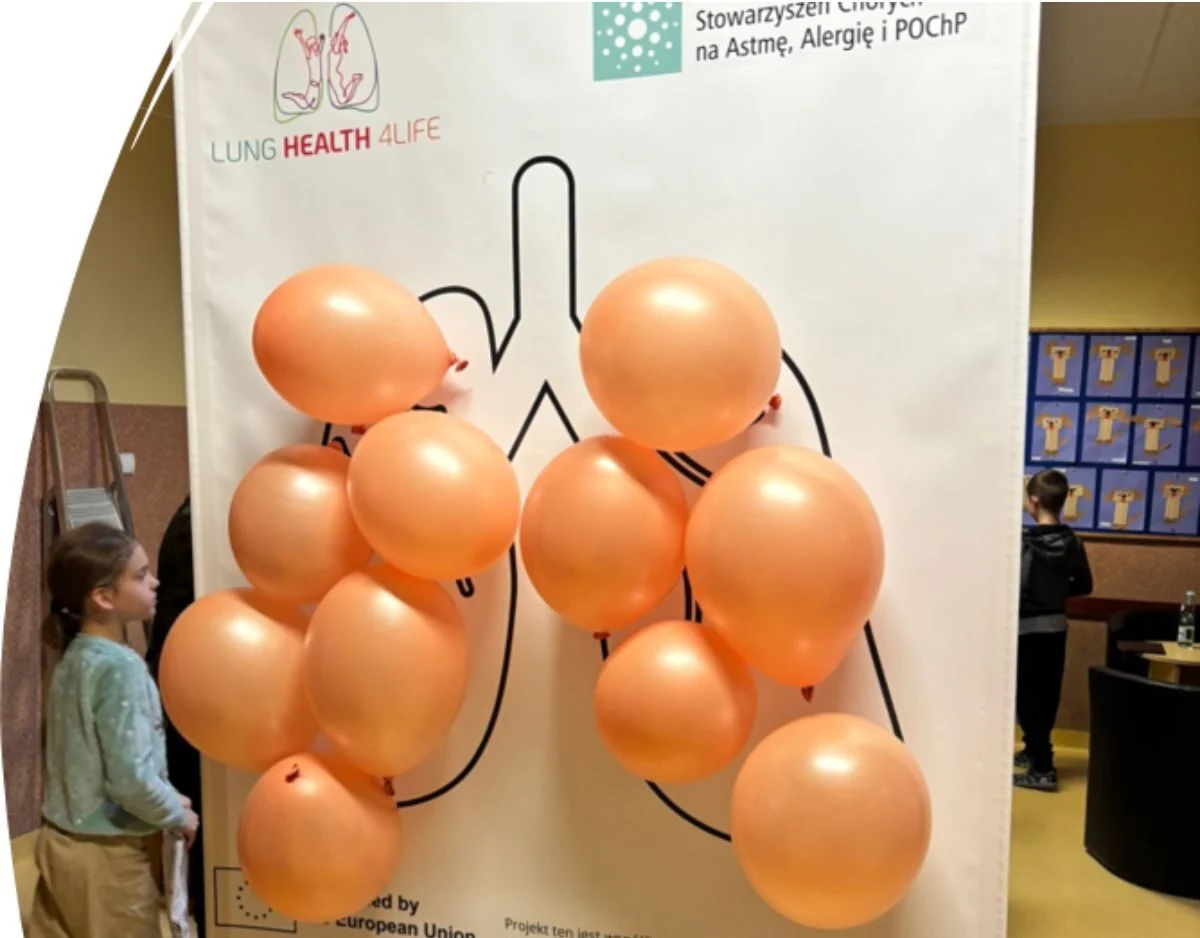
In the town of Legionowo, near Warsaw, the project focused on children aged 7–12. Partnering with the Polish Federation of Asthma, Allergy and COPD Patients’ Associations, the team delivered educational workshops to two primary schools.
The initial implementation revealed a significant hurdle: the complexity of parental consent and health-reporting forms. Recognizing that the technical nature of the documentation might alienate families, the team pivoted quickly, producing a short, accessible video to explain the process. This adjustment proved successful, leading to the completion of 144 successful spirometry tests and a higher quality of data collection.
Phase 3: The Portuguese Expansion (Vila Real de Santo António)
Simultaneously, the project moved into two primary schools in southern Portugal. In a setting marked by socioeconomic challenges, the project team—comprised of volunteers from the Portuguese Association of General and Family Medicine—conducted sessions for 306 children. Unlike the Polish pilot, the Portuguese model emphasized family-wide engagement, hosting workshops for parents to ensure that the lessons on lung health were reinforced within the home environment.
Phase 4: Scaling and Future Integration
The project is currently entering its next stage of expansion. Hungary is slated to host the next series of interventions, with approximately 300 pupils participating. Concurrently, the teams in Poland and Portugal are conducting follow-up assessments to measure the longitudinal impact of the pilot programs. These follow-ups will track not only what the children remember, but whether the educational intervention has translated into tangible behavioral changes at home.
Supporting Data and Evidence-Based Methodology
The efficacy of the LH4L approach is anchored in the belief that health literacy is a preventative medicine. The project’s data collection strategy is multifaceted:
- Clinical Data: By utilizing spirometry, the project establishes a baseline for lung health in children, allowing for the early identification of undiagnosed respiratory issues.
- Qualitative Feedback: Through post-session questionnaires, the team is gathering insights into how children perceive their own lung health and their environment.
- Parental Engagement Metrics: By monitoring whether parents adopt healthier habits—such as reducing indoor air pollution or increasing ventilation—after their children participate in the program, the project measures its ability to create a "ripple effect" within households.
The data gathered across these diverse settings is intended to serve as a blueprint for European-wide policy. The project aims to prove that by intervening early in school settings, healthcare systems can reduce the long-term burden of conditions like asthma and COPD, which currently cost European economies billions in treatment and lost productivity.
Official Perspectives: The Role of ELF
The European Lung Foundation (ELF) plays a pivotal role as the project’s central hub. According to representatives from ELF, the project’s success hinges on its adaptability. While the core message of the importance of lung health remains universal, the delivery of that message must be sensitive to local realities.
"Our goal is not just to test lungs, but to change the narrative around respiratory health," an ELF spokesperson noted. By working with local partners—such as the Polish Federation of Asthma, Allergy and COPD Patients’ Associations—the project ensures that it is not viewed as an external, top-down mandate, but as a community-led health initiative.
Furthermore, ELF is currently leading the communication and dissemination arm of the project. Their objective is to transform the pilot findings into a robust policy framework that can be presented to health ministries across Europe. By ensuring that project findings are shared in clear, accessible formats, they hope to influence the integration of respiratory health education into standard national school curricula.
The Broader Implications: A Shift Toward Prevention
The implications of the LungHealth4Life initiative extend far beyond the individual child.
1. Reducing Inequality in Healthcare
One of the most profound aspects of LH4L is its focus on socioeconomically disadvantaged areas. By providing diagnostic testing in schools, the project democratizes access to health services that might otherwise be unavailable to families due to cost, transportation issues, or lack of awareness.
2. Environmental Advocacy
By teaching children about the impact of air quality, the project is effectively creating a generation of environmental advocates. When children understand how external pollutants affect their physical ability to breathe, they—and their parents—become more likely to support local policies aimed at improving air quality and sustainable urban development.
3. Sustainability in Public Health
The long-term goal of the project is to create a sustainable model that does not rely solely on external project funding. If the data proves that school-based testing and education significantly reduce the need for future emergency respiratory care, governments will have a compelling economic argument to institutionalize these programs within the national education systems.
Conclusion: The Long Road Ahead
As the LungHealth4Life project continues its expansion into Hungary and initiates follow-up studies in Poland and Portugal, the focus remains firmly on the future. The project represents a vital synthesis of clinical science and public health policy. By turning the classroom into a laboratory for lung health, the European Lung Foundation and its partners are fostering a new paradigm: one where children are not just passive recipients of healthcare, but active, informed participants in their own long-term wellness.
The data resulting from these trials will be essential in determining whether early education can truly offset the growing incidence of respiratory disease in Europe. For the hundreds of children who have already participated, the "breathing lessons" have already begun to change how they interact with their environment. If the project succeeds, the legacy of LH4L will be a generation that breathes a little easier, supported by a system that recognizes the power of prevention.
For more information on the ongoing progress and upcoming developments of this initiative, stakeholders and the public are encouraged to visit the official LungHealth4Life portal.