





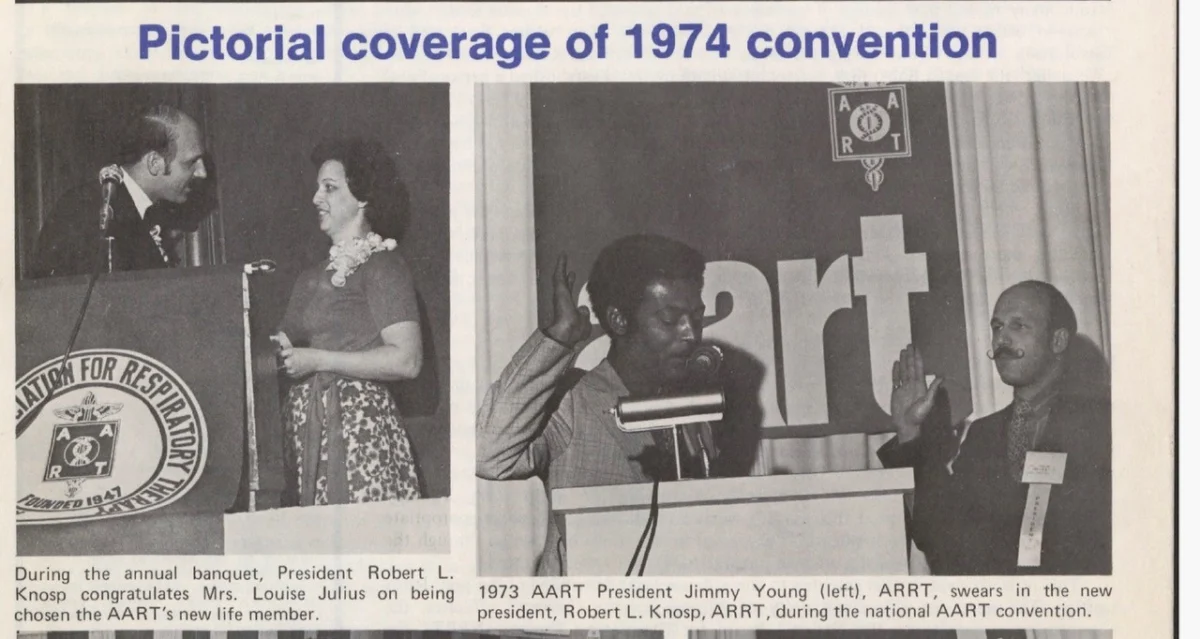
The Jimmy A. Young Award stands as the pinnacle of professional recognition within the American Association for Respiratory Care (AARC). Named in honor of the late AARC president—a visionary whose life was defined by his unyielding commitment to the advancement of respiratory care—the award is not merely a trophy. It is a prestigious acknowledgment of individuals who have dedicated their careers to the sustained growth, advocacy, and clinical standardization of the respiratory therapy profession.
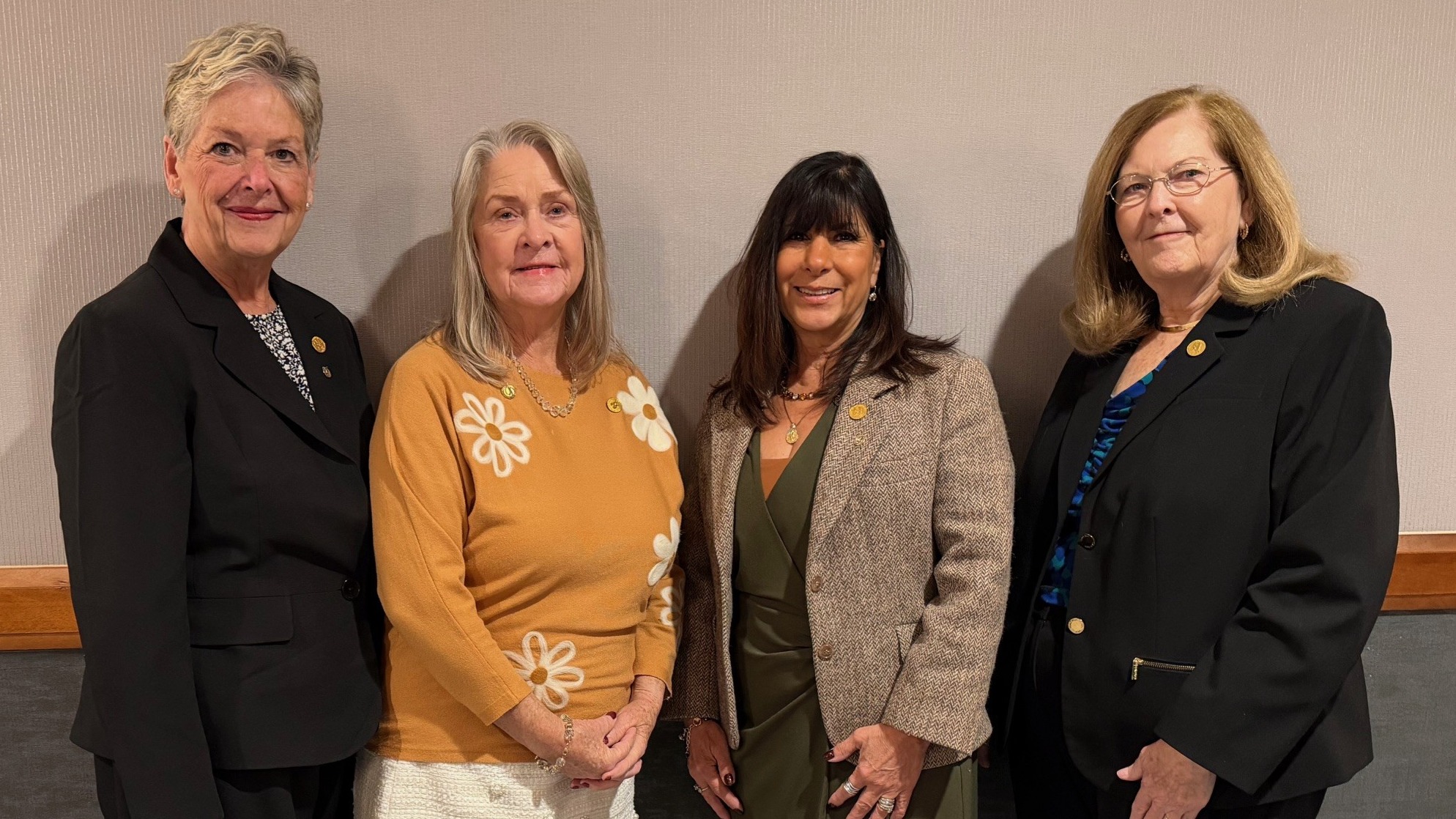
In a recent, deeply personal retrospective, Lisa Weisenberger, AARC Director of Content and Communications, facilitated a profound dialogue with four of the five women who have been bestowed with this honor: Dianne Lewis, MS, RRT, FAARC (2025); Trudy Watson, BS, RRT, FAARC (2018); Margaret Traband, MEd, RRT, FAARC (2011); and Teresa Volsko, MBA, MHHS, LSSBB, RRT, FAARC (2020). (The fifth recipient, Louise Julius, was honored alongside her husband, John, in 1988). Together, these luminaries explored the evolution of respiratory care, the shifting landscape for women in high-stakes medicine, and the enduring legacy of service required to lead in a field that literally breathes life into the healthcare system.
A Legacy of Service: The Foundation of Excellence
For these leaders, the journey toward the Jimmy A. Young Award was never fueled by a desire for accolades. Instead, it was sparked by a fundamental commitment to service and the desire to solve complex systemic challenges.
Dianne Lewis, the most recent recipient (2025), reflected on her foundational years within the House of Delegates. Her influence was perhaps most felt through her pioneering work on the Clinical Practice Guidelines Steering Committee. "My group wrote and published the first clinical practice guideline for the association," Lewis noted. This was a watershed moment for the profession; it transformed respiratory care from a collection of fragmented practices into a standardized, evidence-based discipline, ensuring that patients across the nation received a consistent, high quality of care regardless of their zip code.
Margaret Traband, who has been an integral part of the AARC since 1972, emphasized that the path to national leadership almost always begins at the grassroots level. "We began with our state societies," Traband explained. "You don’t do it looking for what else you need to check off a list to get an award. You’re just moving ahead where you think you can do the most good." This philosophy—a focus on the work rather than the reward—is a common thread connecting all four women.
Breaking the Glass Ceiling: A Cultural Shift
The history of respiratory therapy is a mirror reflecting the broader history of women in medicine. While women today constitute a significant portion of the respiratory therapy workforce, the upper echelons of leadership were, for decades, a male-dominated environment.
Trudy Watson, in her discussion, highlighted the stark realities of the mid-20th century. She noted that the journey for women was not just about professional competency; it was about navigating a culture that was not designed to accommodate them. Teresa Volsko added a poignant layer to this narrative, describing the "competitive scarcity" that defined the late 1970s and 1980s.
"In 1979, if you were invited to the table, you didn’t dare bring another woman up with you because there was only one or two seats," Volsko observed. This scarcity mindset forced women to operate in silos, protecting their hard-won positions. However, the current era, as reflected by these awardees, is defined by a complete reversal of that dynamic. "Now," Volsko noted, "we have the power to change that landscape from being competitive to really lifting each other up." The modern AARC leadership is characterized by intentional mentorship, where established leaders view their success as a bridge for the next generation of women, rather than a barrier.
Lessons for the Next Generation: A Roadmap for Longevity
When asked to offer guidance for the next generation of Respiratory Therapists (RTs), these four recipients provided a masterclass in professional development. Their advice serves as a strategic blueprint for anyone looking to make a lasting impact in the field.
1. Master the Art of Networking
Trudy Watson emphasized that clinical skill, while vital, must be coupled with visibility. She urged therapists to cultivate a presence both within their own hospitals and in external organizations like the American Lung Association. "Get involved so your name is known and you are trusted within your own organization," she advised. By establishing trust early, therapists can become the "go-to" voices when clinical or administrative decisions are being made.
2. The Virtue of Being Over-Prepared
Margaret Traband harkened back to the "Journal Clubs" of the 1970s, where therapists gathered to dissect the latest research. She argued that the habit of deep, continuous learning is non-negotiable. "Being over-prepared is status quo for most of us," Traband stated. "You have to be well-versed, so you don’t come off half-prepared." In a field where clinical precision can be a matter of life and death, the expectation of excellence is not a burden; it is the standard.
3. Lead from the Bedside
Perhaps the most empowering lesson came from Teresa Volsko, who challenged the notion that leadership is tied to a C-suite title. "Don’t let the fact that you have the title of a clinical respiratory therapist stop you from doing great things. Lead where you are," she asserted. Whether advocating for a new protocol, mentoring a junior colleague, or championing patient safety, true leadership is an act of influence, not an act of administration.
Challenges on the Horizon
Despite the progress made, the profession faces a dual reality: unprecedented growth and immense, systemic pressure. Dianne Lewis noted that the next decade offers an abundance of career opportunities for RTs, yet Trudy Watson pointed to a significant hurdle: the recruitment and retention of students. "Finding the students to fill the seats in the classroom" is a critical bottleneck that the profession must address if it is to meet the rising demand for respiratory services in an aging population.
Furthermore, the post-pandemic era has left many clinicians grappling with burnout. The emotional toll of high-acuity, high-volume care has been profound. Margaret Traband offered a poignant, grounded perspective on maintaining one’s passion during these difficult times. "The further away you get from the bedside, the less positive reinforcement happens," she noted. She advised practitioners to pause at the end of every shift: "Take the time to reflect at the end of the day. Know that you’ve alleviated breathlessness and calmed patients. Steep in that moment."
Implications: The Future of Advocacy
The Jimmy A. Young Award is far more than a recognition of past service; it is a catalyst for the future. The women honored with this award have successfully navigated a shifting clinical and political landscape, transforming the AARC into a more inclusive and effective organization.
Their collective legacy suggests that the future of respiratory care will be defined by three pillars:
- Evidence-Based Standardization: Continuing the work started by pioneers like Lewis to ensure that clinical practices remain rigorous and universally applied.
- Mentorship as Policy: Moving away from the competitive models of the past and toward a culture where the success of one is treated as the success of the entire profession.
- Resilient Advocacy: Continuing to fight for the visibility of the RT profession in legislative and hospital-administration boardrooms.
As these four leaders demonstrated, the future of respiratory care relies on a delicate balance: the technical precision required at the bedside and the courageous, visionary leadership required at the table. By synthesizing these two worlds, the next generation of respiratory therapists can ensure that the profession does not just survive the challenges of the coming decade, but continues to lead the charge in respiratory health and patient advocacy.
In conclusion, the Jimmy A. Young Award serves as a testament to the fact that while the technology of respiratory care may change, the human elements—service, mentorship, and the pursuit of excellence—remain the bedrock of the profession. As Dianne, Trudy, Margaret, and Teresa have shown, the path to the highest honor in the field is not paved with personal ambition, but with the tireless, often quiet work of making the profession better for those who follow.