










By Sarah Todd
Reporter, Commercial Determinants of Health
May 11, 2026
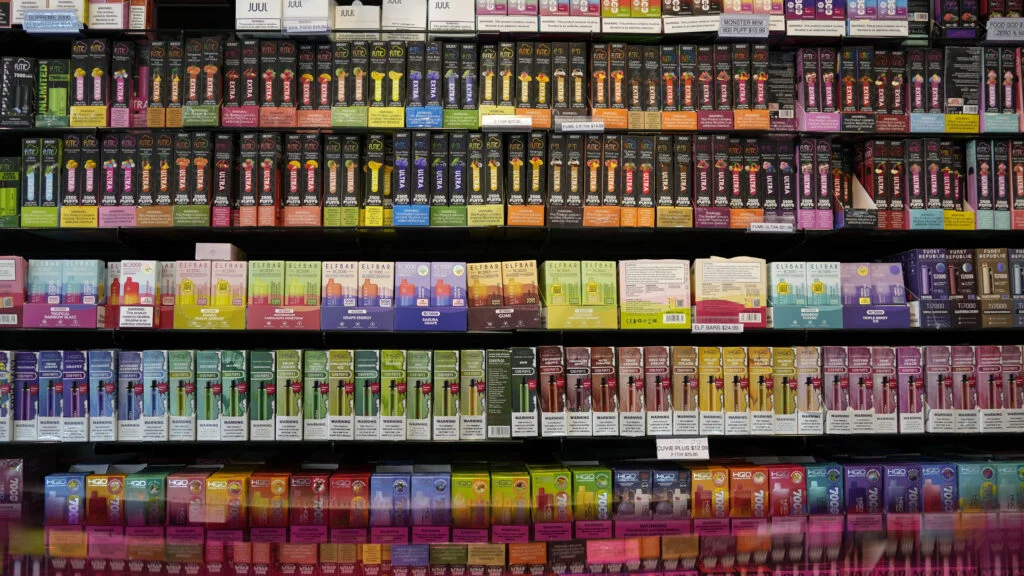
In a move that has sent shockwaves through the public health community, the Food and Drug Administration (FDA) issued new guidance on Friday that effectively halts enforcement against manufacturers illegally selling e-cigarettes and nicotine pouches. Critics are characterizing the policy as a "get-out-of-jail-free card" for companies that have circumvented federal authorization processes, further complicating an already fractured regulatory landscape for tobacco products.
The guidance, which bypassed standard public notice-and-comment procedures, arrives amidst a backdrop of political volatility at the agency. As the FDA grapples with a massive backlog of Premarket Tobacco Product Applications (PMTAs), this pivot signals a retreat from the stringent enforcement posture that has defined the agency’s approach to the vaping industry for years.
Main Facts: The New Enforcement Paradigm
Under the newly announced policy, the FDA has established two conditions under which it will deprioritize enforcement actions against companies currently selling products without the requisite federal green light.
First, the manufacturer must have a pending PMTA that has been formally accepted by the agency. Second, in the case of flavored vaping products, the company must have submitted data that the agency deems sufficient to evaluate whether the product is "appropriate for the protection of public health." This specific phrasing refers to the delicate balance between the risks of youth nicotine addiction and the potential utility of these products as smoking cessation tools for adults.
Crucially, the FDA has clarified that it does not need to complete its scientific review of this data before a company receives this temporary reprieve from enforcement. By providing the data, companies are essentially granted a temporary waiver, allowing them to keep their products on store shelves while the agency works through its internal backlog.
A Chronology of Regulatory Shift
The trajectory toward this policy change reflects the broader instability currently plaguing the FDA’s Center for Tobacco Products (CTP).
- Early 2026: The FDA faces mounting pressure from both the industry and the administration regarding the slow pace of PMTA reviews. Tens of thousands of applications remain pending.
- May 6, 2026: In a move that signaled a shift in internal philosophy, the FDA authorized two fruit-flavored vapes from the Los Angeles-based company Glas. This authorization occurred despite earlier, more skeptical stances regarding the efficacy of youth-deterrent technology in such devices.
- May 8, 2026: Reports emerge indicating that President Trump plans to terminate the tenure of FDA Commissioner Marty Makary, capping a period of intense scrutiny over the agency’s leadership.
- May 10, 2026: The New York Times reports on the impending policy shift, confirming that the agency intends to loosen enforcement criteria.
- May 11, 2026: The FDA formally publishes its new guidance, bypassing the draft-and-comment phase that typically governs major regulatory changes.
Supporting Data and the "Backlog Crisis"
The decision to change course appears driven by the administrative paralysis at the FDA. The agency has been overwhelmed by the sheer volume of tobacco and nicotine product applications since it gained oversight of the industry.
For years, the FDA maintained that any product sold without an explicit marketing order was illegal. However, the sheer scale of the "gray market"—where manufacturers sell products while their applications languish in bureaucratic limbo—has made traditional enforcement nearly impossible.
According to industry analysts, this backlog has created a perverse incentive structure. Smaller companies, often lacking the legal resources to navigate the FDA’s rigorous scientific standards, have opted to launch products regardless of status, betting that the FDA’s limited enforcement resources will be directed toward larger, more visible targets. By codifying a "prioritization" scheme, the FDA is acknowledging that it can no longer police the market effectively, effectively shifting the burden of proof while allowing the current market status quo to persist.

Expert Analysis: A "Horrible Precedent"
Mitch Zeller, the former head of the FDA’s Center for Tobacco Products, has been a vocal critic of the decision. Zeller points out that the agency’s decision to skip the draft guidance phase—a procedural step designed to allow for public transparency and stakeholder input—is highly irregular.
"It is alarming," Zeller stated. "Typically, the FDA only goes straight to final guidance if there is a public health emergency. To bypass the comment period on a matter of such significant regulatory consequence suggests a lack of confidence in the policy’s merits."
Zeller further argued that the decision undermines the rule of law. "It is fundamentally unfair to companies that were following the rules and kept their products off of the market," he noted. "When companies put their products up for sale without the FDA’s permission—whether for tobacco, drugs, or medical devices—that is illegal. It’s a horrible precedent that makes no sense legally."
Speculation is mounting that the guidance may be a "desperate attempt" by the current leadership to demonstrate industry-friendly progress before an expected transition in leadership. While Commissioner Makary has previously voiced skepticism about the effectiveness of youth-access prevention in flavored vapes, this guidance suggests a pivot toward industry appeasement.
Implications: The Black Market and Future Oversight
Perhaps the most significant gap in the new guidance is its failure to address the influx of illicit flavored vapes imported from China. These products, which currently account for an estimated 70% of the black market, have been a frequent target of the Trump administration’s rhetoric.
By failing to provide a strategy for curbing these illegal imports, the FDA’s new policy creates an implicit hierarchy of enforcement. The agency is essentially signaling that it will focus its limited resources on policing the international black market, while allowing domestic applicants—who have at least initiated the federal paperwork—a path to remain in business.
The Impact on Youth Health
The primary concern for public health advocates remains the impact on youth uptake. By allowing flavored products to remain on the market while their data is "under review," the FDA is effectively expanding the time these products have to capture a new generation of nicotine users. If the agency’s eventual review determines that a product does not meet the public health standard, the damage—in terms of addiction and habituation—may already be done.
The Future of FDA Credibility
The FDA is currently walking a tightrope. It must maintain the appearance of a rigorous scientific gatekeeper while managing an industry that has proven exceptionally adept at exploiting regulatory loopholes. By granting this "get-out-of-jail-free" pass, the agency risks losing the moral and legal high ground it has spent years establishing.
If the FDA is no longer capable of enforcing its own premarket requirements, it raises the question of whether the PMTA process itself remains a viable tool for public health. For now, the industry appears to have won a significant victory, securing the right to operate in a gray zone that, until this week, was considered entirely off-limits.
STAT’s coverage of chronic health issues is supported by a grant from Bloomberg Philanthropies. Our financial supporters are not involved in any decisions about our journalism.