









For individuals living with bipolar disorder, the environment is rarely a neutral backdrop. Instead, the world can frequently transform into a source of physical aggression. The low-frequency hum of a refrigerator, the flickering of a fluorescent bulb, or the slight coarseness of a wool sweater are not merely distractions; they are sensory assaults that can destabilize a fragile equilibrium.
New insights from the bpHope community, combined with emerging neurological research, reveal that sensory hypersensitivity—often dismissed as mere irritability—is a core component of the bipolar experience. It serves as both a debilitating symptom and a critical early warning sign of impending mood shifts. Understanding this "sensory storm" is essential for patients, clinicians, and support networks to manage the complexities of the disorder effectively.
Main Facts: The Nature of Sensory Overload
Sensory hypersensitivity in bipolar disorder manifests as an intensified perception of stimuli that others might easily ignore. This phenomenon encompasses several domains:
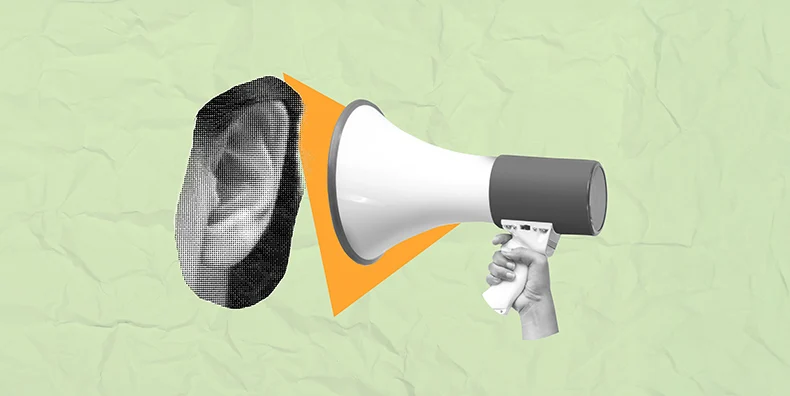
- Auditory (Hyperacusis): Sounds are perceived as much louder or more intrusive than they are. This often leads to a heightened "startle reflex," where minor noises cause significant physical jolts.
- Visual: Sensitivity to bright lights, high-contrast patterns, or "visual noise" like household clutter.
- Tactile: An inability to tolerate certain textures, tight clothing, or even the physical sensation of "feeling" one’s own skin.
- Olfactory: Heightened sensitivity to smells, which can lead to nausea or migraines.
This is not a matter of preference or "being picky." For those in the throes of a mood episode, these stimuli trigger the nervous system’s "fight or flight" response. The result is a state of constant agitation that can lead to profound anxiety, social withdrawal, and even physical pain. As reported by bpHope readers, the inability to filter these inputs often dictates their ability to work, parent, and maintain relationships.
Chronology: From Subconscious Shift to Acute Episode
The progression of sensory sensitivity often follows a predictable chronological path, serving as a barometer for a person’s internal state.
- The Prodromal Phase (Early Warning): Before the full onset of mania, hypomania, or depression, many individuals notice a subtle "sharpening" of the senses. Colors may seem more vivid, or background noises may become harder to tune out. At this stage, the individual might find themselves cleaning compulsively to eliminate "visual clutter" or wearing sunglasses indoors.
- The Escalation Phase: As the mood shift intensifies, the tolerance for stimuli drops sharply. This is often where "sensory gating" fails completely. A person in a hypomanic state may become violently angry at the sound of someone chewing, while someone entering a depressive episode may find the light of a cloudy day physically blinding.
- The Acute Episode: During peak mania or deep depression, the world becomes a "sensory minefield." Isolation becomes a survival mechanism. The individual may retreat to dark, silent rooms to prevent a total neurological meltdown.
- The Recovery Phase: As mood stabilizers or therapeutic interventions take effect, the "volume" of the world slowly returns to manageable levels. However, the fear of the next "storm" often lingers, leading to long-term changes in lifestyle and environment.
Supporting Data: The Science of Sensory Gating
The biological basis for this sensitivity lies in a neurological process known as "sensory gating." In a healthy brain, the thalamus acts as a filter, sorting through the thousands of bits of information hitting the senses every second. It discards repetitive or unimportant data—like the sound of your own breathing or the feeling of your socks—so the conscious mind can focus on what matters.
Brain-wave studies, specifically those measuring the P50 evoked potential, have shown that individuals with bipolar disorder often have "leaky" filters. In these studies, subjects are exposed to two rapid-fire clicks. A "normal" brain recognizes the second click as redundant and suppresses the electrical response to it. In many people with bipolar disorder, the brain responds to the second click with the same intensity as the first.
This failure to habituate to repetitive stimuli means the brain is constantly "on guard." When the brain cannot gate information, the prefrontal cortex—the area responsible for emotional regulation and logic—becomes overwhelmed. This provides a direct physiological link between a noisy room and a bipolar rage or a depressive shutdown.
Official Responses: Strategies from the Global Bipolar Community
Clinical experts and those with lived experience emphasize that while medication is a cornerstone of treatment, environmental management is an equally vital "official" response to sensory issues. bpHope readers from across the globe have shared how they re-engineer their lives to accommodate their neurological needs.
Navigating the Professional and Parental Sphere
In Nebraska, one reader noted that hypersensitivity contributed significantly to their transition to disability. "I have a young son and sometimes have to rely on anti-anxiety medication when I take him to especially noisy and overwhelming environments," they shared. For many, the professional implication is clear: the modern open-office plan is often incompatible with bipolar stability. The move toward remote work or quiet, low-stimulus environments is not a luxury but a clinical necessity.
Environmental Engineering at Home
In South Africa, a reader named M.B. described a comprehensive approach to "light hygiene." By replacing main lights with "warm light" globes in small side lamps and surrounding themselves with natural wood furniture, they create a "buffer" against the toxic vibes of the outside world. Similarly, a reader in Costa Rica reported changing clothes multiple times a day to avoid the "nauseating" feeling of fabrics that have lost their "clean" texture.
The Role of Technology and Self-Care
Technology, often a source of overstimulation, can also be a shield. F.P. from Ontario utilizes an iPod to create a portable "silence" in public. "I try to drown out loud people on their phones, crying babies, and people who want to chat," they explained. Meanwhile, in Arizona, J.M. described a unique coping mechanism: "There were times in college when I had to wear earplugs in order to focus on the professor, so I taught myself to lip-read."
Implications: A New Lens for Treatment and Support
The recognition of sensory hypersensitivity as a primary symptom of bipolar disorder has profound implications for how the condition is treated and perceived.
1. Diagnostic Accuracy
Clinicians often mistake the irritability of sensory overload for "agitated depression" or "personality conflicts." By recognizing that a patient’s anger may be a physiological response to a loud environment, doctors can better adjust medications and suggest lifestyle interventions like Occupational Therapy (OT).
2. Relationship Dynamics
Hypersensitivity places a unique strain on households. As F.P. from Ontario noted, "My spouse walks on eggshells. I won’t let him do the dishes… because he makes too much noise." Education for family members is crucial; they must understand that the "irritability" is a neurological reaction, not a personal attack.
3. Workplace Accommodations
As mental health awareness grows, the "sensory-friendly" workplace must become a standard accommodation. This includes noise-canceling headphones, adjustable lighting, and the ability to work in clutter-free zones.
4. Self-Advocacy and Early Intervention
Perhaps the most significant implication is for the individual. When a person with bipolar disorder recognizes that they are suddenly bothered by the "refrigerator hum" or the "clutter on the counter," they gain a 48-to-72-hour head start on a potential mood shift. This "early warning system" allows for proactive adjustments—contacting a doctor, increasing self-care, or canceling high-stress plans—that can prevent a full-blown hospitalization.
Conclusion: Validating the Invisible Struggle
The experiences shared by bpHope readers highlight a fundamental truth: bipolar disorder is not just a disorder of "mood," but a disorder of perception. The world is louder, brighter, and more abrasive for those living with this condition.
By validating these sensory experiences, we move away from the stigma of "moodiness" and toward a more compassionate, biologically-grounded understanding of the disorder. Whether it is through the use of sunglasses on a cloudy Michigan day or the careful selection of "warm" lighting in a South African home, these adaptations are powerful acts of self-preservation. For the person with bipolar disorder, finding "peace and quiet" is not a preference—it is a medical priority.