







The history of scientific progress is often told through the lens of singular "eureka" moments, but the reality is far more complex. It is a narrative of persistence, the courage to challenge entrenched conventions, and the refusal to accept the status quo. During Women’s History Month, the Cancer Research Institute (CRI) celebrates eight extraordinary women whose intellectual rigor and visionary leadership have fundamentally altered our understanding of human biology, medical ethics, and the potential of the immune system to conquer disease.
From the quiet determination of early pioneers who saved lives through bureaucratic courage to the modern-day immunologists deploying high-tech precision medicine, these women serve as a bridge between past discovery and future breakthroughs. Their collective legacy demonstrates that progress in science is rarely a solitary endeavor; it is an act of defiance against what is known and an act of faith in what is possible.
I. The Pillars of Innovation: A Chronological Legacy
The evolution of modern medicine is marked by key inflection points—moments where a single individual’s intervention changed the course of history.
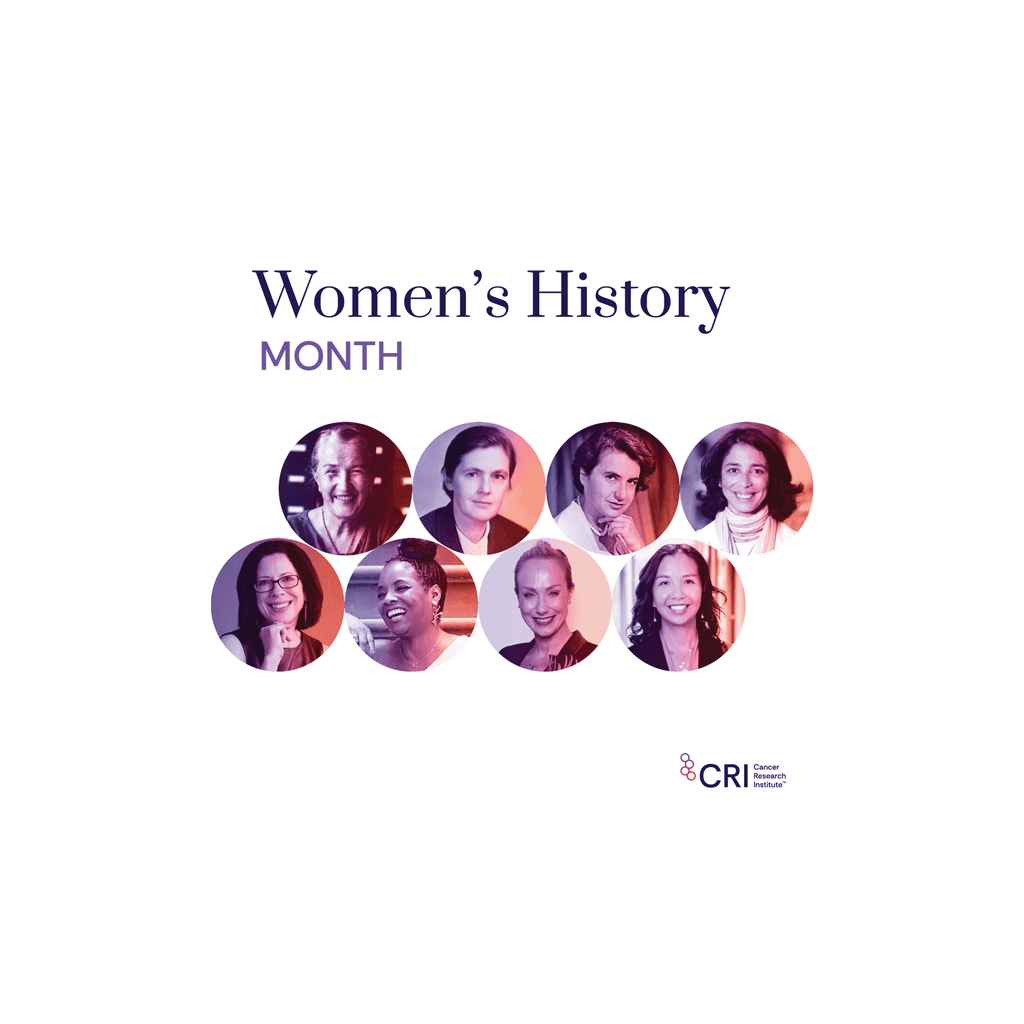
The Foundation of Immunotherapy: Helen Coley Nauts (1953)
Long before "immunotherapy" was a household term, Helen Coley Nauts was its most ardent architect. Following the death of her father, Dr. William B. Coley, she set out to catalog his life’s work. She discovered that her father had successfully treated terminal patients by inducing immune responses through bacterial inoculations—a treatment later dubbed "Coley’s Toxins." Despite not being a scientist herself, Nauts spent two decades meticulously documenting these findings. In 1953, she co-founded the Cancer Research Institute to formalize the study of the immune system’s role in cancer. Today, her foresight remains the cornerstone of the CRI’s global mission.
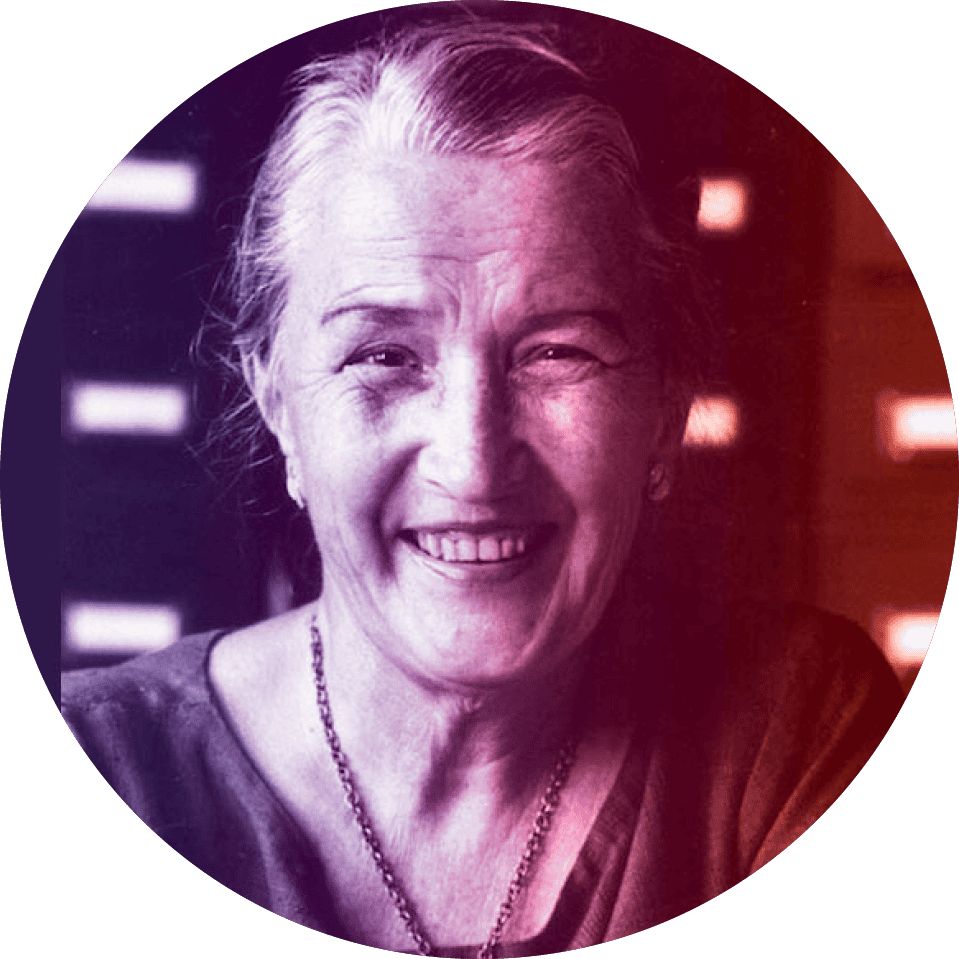
The Guardian of Public Safety: Dr. Frances Kelsey (1960)
In 1960, the U.S. pharmaceutical landscape was permanently changed by the steadfast integrity of Dr. Frances Kelsey. As a newly appointed FDA medical officer, she was tasked with reviewing the application for thalidomide. Despite intense industry pressure, Dr. Kelsey refused to approve the drug due to insufficient safety data. Her decision spared the United States from the widespread birth defects caused by the drug in Europe. Her stand catalyzed the passage of rigorous legislation requiring pharmaceutical companies to provide evidence of both safety and efficacy, setting the global standard for drug regulation.
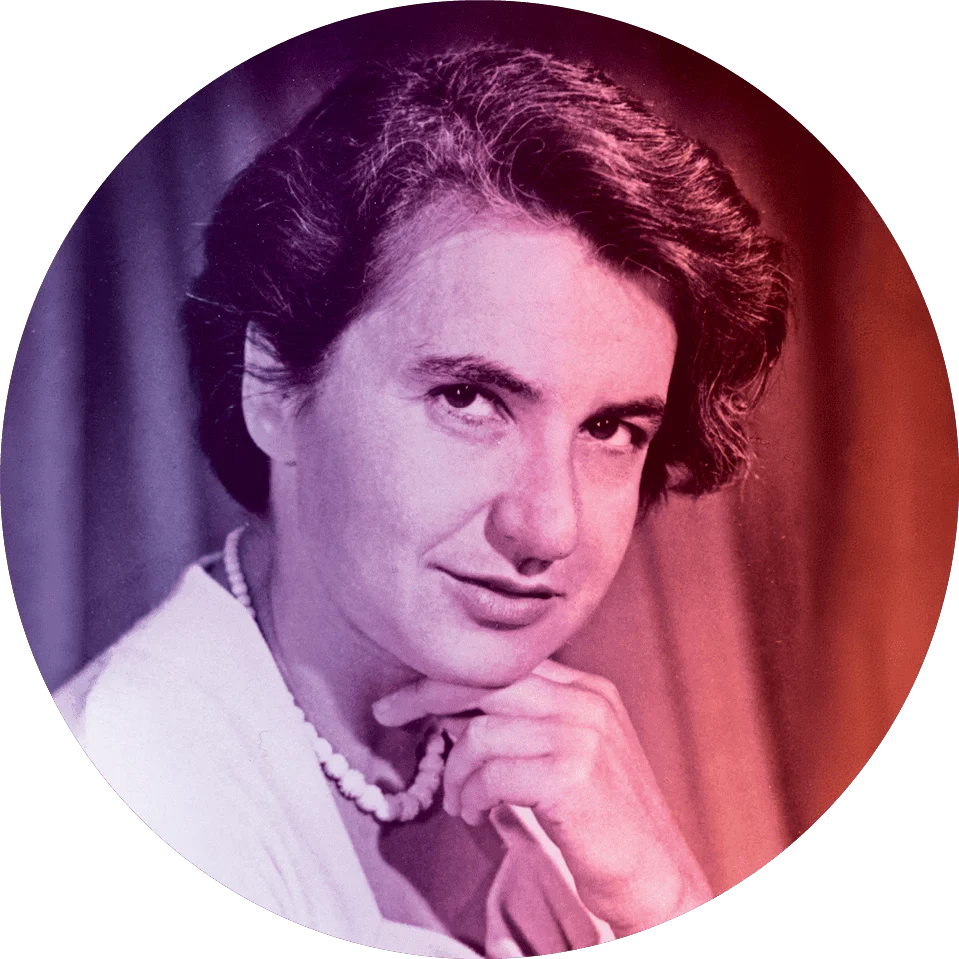
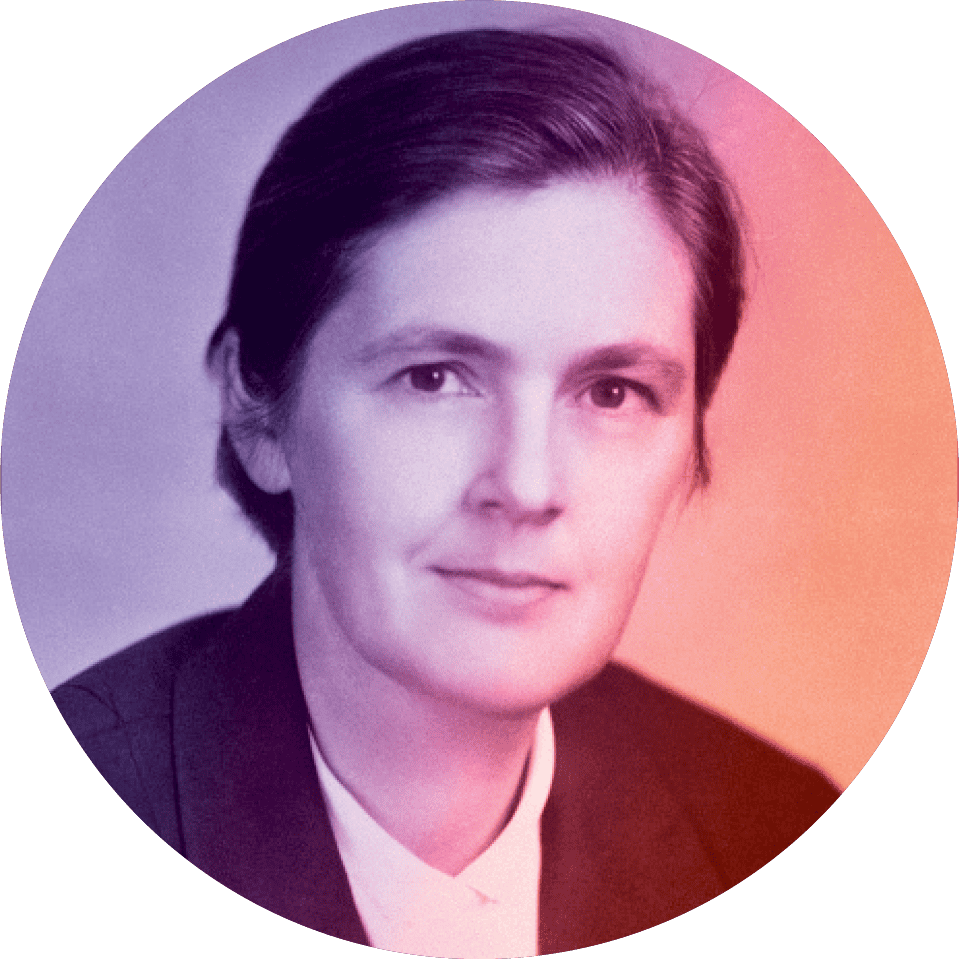
The Architect of Life’s Blueprint: Dr. Rosalind Franklin (1950s)
The structure of DNA remains the most iconic image in biological history. While the credit for the double helix model is often assigned to Watson and Crick, the foundational evidence was provided by Dr. Rosalind Franklin. Her expertise in X-ray crystallography allowed her to capture "Photograph 51," the clearest evidence of DNA’s helical structure. Though her contribution was historically marginalized, modern science recognizes her as the essential visionary whose data unlocked the molecular code of life.
II. Leading the Frontier: Modern Immunologists
The work initiated by early pioneers has been carried forward by a new generation of scientists who are integrating laboratory discovery with clinical practice.
Redefining the Innate Immune System: Dr. Miriam Merad
As the Chair of the Department of Immunology and Immunotherapy at the Icahn School of Medicine at Mount Sinai, Dr. Miriam Merad is currently mapping the complex interactions between immune cells and tumors. Her research is not merely theoretical; it is translational. By analyzing primary patient samples within the Mount Sinai ecosystem, her lab accelerates the movement of new therapies from the petri dish to the clinical trial, ensuring that laboratory insights have a tangible impact on patient outcomes.
The Vaccine Pioneer: Dr. Elizabeth Jaffee
Dr. Elizabeth Jaffee, Deputy Director of the Sidney Kimmel Comprehensive Cancer Center at Johns Hopkins, is pushing the boundaries of what is possible in oncology, particularly for the historically difficult-to-treat pancreatic cancer. By developing innovative, vaccine-based immunotherapy strategies, Dr. Jaffee is working toward a future where we can prevent tumors from establishing immune tolerance. Her leadership is defined by a commitment to mentorship, fostering a new generation of scientists who share her vision of a world without cancer.
III. The Patient as Partner: Champions of Advocacy
In the narrative of medical progress, the patient is often the final observer. However, for many, the patient has become the primary catalyst for change.
Karen Peterson: The 4% Survivor
Diagnosed with stage 4 triple-negative breast cancer and given a bleak 18-to-24-month life expectancy, Karen Peterson refused to accept the statistical inevitability of her condition. By educating herself on clinical trials, she became the first patient to enroll in a phase 1 immunotherapy study for her specific condition. She emerged as a "complete responder." Today, through "Karen’s Club," she advocates for patient education, particularly for patients of color, ensuring that others have the tools to navigate the complex world of clinical research.
Sharon Belvin: The Trailblazer
In 2004, at age 22, Sharon Belvin faced stage 4 melanoma. With chemotherapy failing, she became one of the first participants in the clinical trial for ipilimumab. The drug’s success in her case helped clear the path for its FDA approval in 2011, effectively launching the modern era of cancer immunotherapy. Her story is a testament to the fact that patient participation in clinical trials is not just a personal gamble; it is a contribution to the global scientific record.
IV. Strategic Vision: The Future of the CRI
The leadership of the Cancer Research Institute today is centered on bridging the gap between high-level science and public health implementation. Dr. Alicia Zhou, the current CEO of CRI, brings a background that spans scientific discovery, regulatory navigation, and large-scale public health infrastructure.
Dr. Zhou’s leadership focuses on three critical pillars:
- Strengthening Scientific Rigor: Implementing higher standards for basic and translational research.
- Global Collaboration: Convening international networks to maximize the impact of immuno-oncology.
- Equitable Access: Drawing from her experience at Color Health and her work on COVID-19 diagnostics, she is dedicated to ensuring that life-saving immunotherapy is not a luxury, but a standard of care accessible to diverse patient populations.
V. Implications: Why Their Work Matters
The stories of these eight women highlight a profound shift in the philosophy of science. In the early 20th century, science was often a closed system—an ivory tower of individual discovery. Today, the work being done at institutions like CRI represents a move toward an "open-science" model, where patient advocacy, clinical data, and laboratory research are inextricably linked.
The implications of this shift are clear:
- Regulatory Evolution: The legacy of Dr. Kelsey ensures that safety is prioritized alongside speed, a lesson that continues to influence the development of modern mRNA vaccines and complex cell therapies.
- The Patient Voice: The advocacy of Karen Peterson and Sharon Belvin has shifted the role of the patient from a passive recipient of care to an active stakeholder in the development of new treatments.
- Mentorship as Strategy: Leaders like Dr. Merad and Dr. Jaffee understand that the success of the field depends on the pipeline of talent. By training the next generation, they ensure that the "disruption" of the status quo is a continuous process.
A Call to Continue
The Cancer Research Institute’s mission is predicated on the belief that the immune system is the body’s most powerful tool against disease. However, the efficacy of that tool relies on human intervention. The eight women highlighted here did not wait for permission to challenge established medical dogmas. They did not wait for the "right time" to demand better, more ethical, and more effective treatments.
As we look toward the next decade of cancer research, their legacies serve as a mandate. Whether it is the persistence to identify a new molecular structure, the courage to stop a dangerous drug, or the tenacity to survive a stage 4 diagnosis, the path forward is built by those who refuse to be limited by current boundaries.

The progress of science is a relay race, not a sprint. Each generation inherits the data, the tools, and the ethical frameworks of their predecessors. By honoring these trailblazers, we acknowledge that the future of oncology is not just about better drugs—it is about the courage to ask the impossible questions that lead to life-saving answers.
Sources:
- Cancer Research Institute Archives & Timeline.
- The Legacy of William B. Coley and Helen Coley Nauts.
- FDA Historical Records: The Thalidomide Case.
- The Molecular Biology of DNA: Structural Foundations (Nature).
- Clinical Trials and Patient Advocacy: The Impact of Immunotherapy.
- Scientific Advisory Council Reports, CRI.