









Introduction: A Pivotal Moment for Global Health
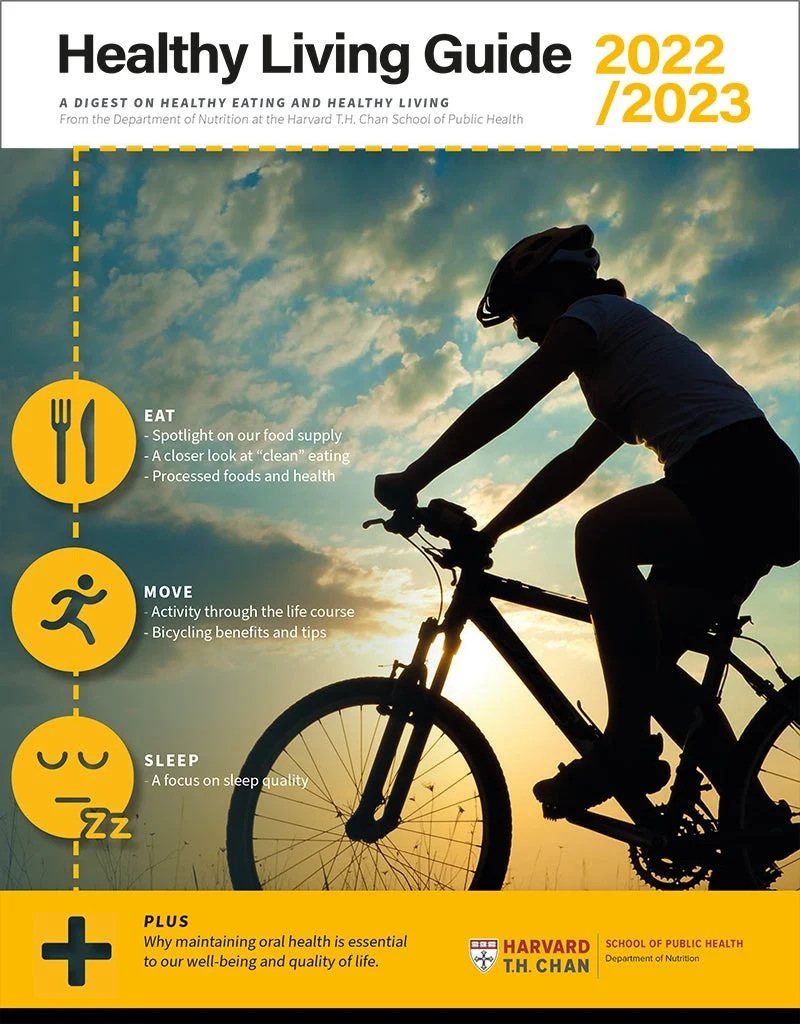
The year 2022 will be remembered in public health circles as a watershed moment for American nutrition policy. For the first time in over half a century, the U.S. government convened a national summit dedicated exclusively to the intersection of hunger, nutrition, and health. As we transition into the subsequent cycle of health initiatives, experts from the Harvard T.H. Chan School of Public Health have synthesized these developments into a newly released Healthy Living Guide. This guide serves as both a roadmap for individual wellness and a critical lens through which to view the ambitious, yet complex, national strategy aimed at eradicating food insecurity by 2030.
Main Facts: The White House Conference and the National Strategy
In September 2022, the Biden-Harris administration hosted the first White House Conference on Hunger, Nutrition, and Health since the landmark 1969 event. The conference was built upon a singular, ambitious goal: to end hunger and reduce diet-related diseases by 2030.
The resulting national strategy is multifaceted, moving beyond simple caloric intake to address the systemic barriers that prevent Americans from accessing nutritious food. Among the primary pillars of the strategy are:
- Expansion of Nutrition Assistance: Enhancing programs like SNAP (Supplemental Nutrition Assistance Program) to reach underserved populations.
- Clinical Integration: Integrating nutrition into the healthcare system, specifically through the inclusion of "medically tailored meals" under Medicare.
- Physical Activity: Incentivizing the creation of safe, accessible environments for exercise.
- Food Security: Increasing federal funding for school meals and summer nutrition programs.
Chronology: A Half-Century of Policy Evolution
To understand the significance of the 2022 initiatives, one must look at the timeline of American nutrition policy:
- 1969: The original White House Conference on Food, Nutrition, and Health. This event led to the creation of the WIC program (Women, Infants, and Children) and significant updates to food labeling and school lunch programs.
- 1970s–2010s: A period defined by the gradual rise of processed food dominance, increasing obesity rates, and the intensification of the "food desert" phenomenon. While scientific understanding of nutrition expanded, policy implementation often lagged.
- 2021: Preliminary discussions began regarding the necessity of a new national strategy as the COVID-19 pandemic highlighted the fragility of food supply chains and the disparity in health outcomes.
- September 2022: The White House Conference on Hunger, Nutrition, and Health is held, bringing together policymakers, industry leaders, and public health experts.
- January 2023: The release of the Healthy Living Guide, serving as a practical resource for the public to translate national goals into individual daily habits.
Supporting Data: The Current State of Public Health
The urgency behind these initiatives is supported by sobering data. According to recent public health assessments:
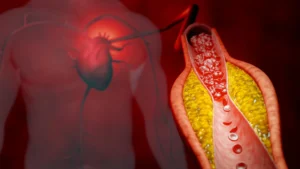
- Diet-Related Disease: Chronic illnesses such as Type 2 diabetes, hypertension, and cardiovascular disease—all heavily influenced by dietary patterns—remain the leading causes of death in the United States.
- Economic Burden: The annual cost of diet-related diseases to the U.S. healthcare system exceeds hundreds of billions of dollars, a figure that is projected to grow if intervention strategies remain stagnant.
- Food Insecurity: Despite being one of the world’s wealthiest nations, millions of American households continue to face food insecurity, a reality that was exacerbated by the economic instability of the pandemic era.
- Sustainability Metrics: Research indicates that the current food system is a significant contributor to greenhouse gas emissions. The nexus between human health and planetary health is no longer a peripheral concern but a central pillar of future food policy.
Official Responses and Expert Critiques
While the administration’s roadmap has been met with general optimism, it has also faced rigorous scrutiny from the academic community. Experts from the Department of Nutrition at the Harvard T.H. Chan School of Public Health—including Drs. Frank Hu, Walter Willett, and Lilian Cheung—have offered a balanced assessment.
The "Omissions" Critique
In their critical review, the Harvard experts identified several key areas where the national strategy falls short. Specifically, they noted:
- Unhealthy Food Marketing: The strategy lacks robust policy protections to shield children from the aggressive marketing of ultra-processed foods, a move that public health advocates argue is essential to curbing childhood obesity.
- Climate Change Integration: While the strategy addresses nutrition, the Harvard experts argue that it fails to sufficiently address the environmental impact of the modern food system. They maintain that a truly "healthy" system must be sustainable, prioritizing plant-forward diets and regenerative agricultural practices to ensure planetary health.
The Call for Collaboration
"To have a significant impact, the administration must bring together the public and private sectors, along with philanthropists, academia, and individuals to develop truly sustainable food systems that support both public and planetary health," the experts wrote. This sentiment underscores a fundamental truth: government policy alone cannot shift the cultural tide of nutrition; it requires a systemic, multi-stakeholder effort.
Implications: From Policy to Plate
What does this mean for the average consumer? The implications of these high-level policies are intended to eventually trickle down into daily life, making the "healthy choice" the "easy choice."
The Accessibility Gap
The most significant implication is the focus on making optimal nutritional choices both accessible and affordable. This involves not only price subsidies for fruits and vegetables but also urban planning that mitigates the impact of food deserts.
The Role of the Individual
In the absence of a perfect policy environment, the Healthy Living Guide acts as an interim tool. It advocates for incremental change. The philosophy promoted by nutrition experts is that "no change is too small." Whether it is replacing a sugary beverage with water, opting for whole grains over refined carbohydrates, or increasing daily step counts, the cumulative effect of these micro-habits is what drives long-term health.
Future-Proofing Our Food Systems
The long-term implication of the 2022 strategy is the recognition that the status quo is unsustainable. For future generations, the policy shift must move toward:
- Transparent Labeling: Further empowering consumers to understand what is in their food.
- Agricultural Reform: Shifting subsidies away from commodity crops toward nutrient-dense food production.
- Healthcare Integration: Making "Food as Medicine" a standard of care rather than an experimental practice.
Conclusion: A Call to Action for 2023 and Beyond
The release of the latest Healthy Living Guide is a timely reminder that health is an active pursuit. While the White House Conference provided a historic platform for discussing necessary systemic changes, the responsibility for individual health remains a personal journey.
The path forward requires a dual approach: high-level advocacy for policies that demand food system transparency and sustainability, and personal commitment to dietary patterns that prioritize longevity and vitality. As we move further into the decade, the integration of public policy and individual behavior will be the ultimate determinant of whether we can truly end hunger and improve health outcomes by 2030.
For those looking to engage with this mission, the Healthy Living Guide serves as an essential resource, offering printable tip sheets, summaries of the latest research, and a roadmap for navigating the complexities of modern nutrition. Whether you are a policy wonk, a healthcare professional, or simply an individual trying to make better choices for your family, the data is clear: the time for change is now.
How to Engage
- Download the Guide: Utilize the provided digital resources to build your own nutritional baseline.
- Stay Informed: Continue to monitor the implementation of the White House national strategy as it moves from rhetoric to regulatory action.
- Test Your Knowledge: Reflect on the educational components provided in the Healthy Living Guide to ensure your dietary knowledge is based on the most current, evidence-based science rather than marketing trends.
The journey toward a healthier nation is a collective one. By bridging the gap between scientific consensus and daily action, we can ensure that the promise of the 2022 conference is fulfilled for current and future generations alike.