








In the landscape of aging, we often fixate on cholesterol levels, blood pressure, or cognitive sharpness. Yet, one of the most critical indicators of longevity and quality of life is frequently overlooked: lower-body functional strength. For those over the age of 60, the ability to stand, walk, climb stairs, and maintain balance is anchored entirely in the power of the quadriceps, hamstrings, and glutes.
If you are curious about where your physical foundation stands, there is no need for complex lab equipment or expensive gym memberships. The most honest assessment is a simple, 60-second squat test. This straightforward physical challenge acts as a "vital sign" for your functional health, revealing how well your muscular and cardiovascular systems work in tandem to support your daily independence.
The Core Facts: Why Squats Matter for Longevity
Lower-body strength is the primary driver of "functional independence." As we age, the body naturally undergoes sarcopenia—the loss of muscle mass and strength—which can lead to a decline in mobility. A squat is a foundational movement pattern that mirrors the most common tasks of daily life: sitting down on a chair, rising from a couch, or picking up a grandchild.
Unlike static strength tests that measure a "one-rep max," the 60-second squat test introduces the variable of muscular endurance. It isn’t enough to be strong for a single second; you must be strong under the pressure of fatigue. When a person can sustain controlled movement for a full minute, they are demonstrating a level of metabolic efficiency and joint stability that correlates strongly with a lower risk of falls and better overall mobility.
The Chronology of the Test: A Step-by-Step Guide
Performing the test correctly is paramount. The goal is not to see how many "sloppy" repetitions you can cram into a minute, but to maintain a steady, controlled, and safe range of motion.
1. Preparation and Positioning
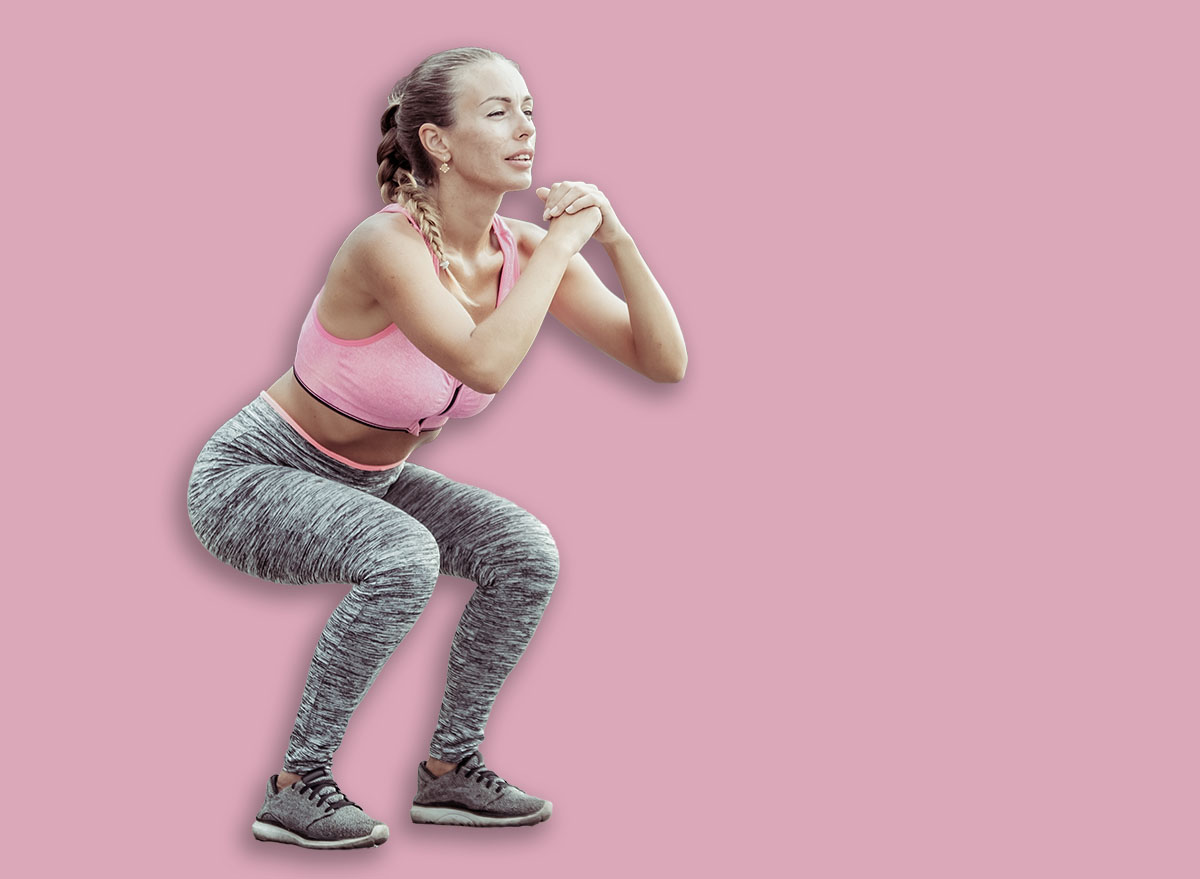
Clear a space where you have enough room to move freely. Stand with your feet shoulder-width apart, ensuring your toes are pointed slightly outward if that feels more natural for your hip anatomy. Keep your spine neutral—do not round your back—and engage your core to provide stability for your torso.
2. The Mechanics of the Movement
Initiate the movement by pushing your hips back, as if you are reaching for a chair positioned just behind you. This is a common point of failure for many; if you lead with your knees rather than your hips, you place unnecessary shear force on the knee joints. Lower yourself until your thighs are roughly parallel to the floor. Throughout the descent, ensure your chest remains lifted and your gaze is fixed forward.
3. The Drive
Once you reach the bottom of the squat, press firmly through your heels to return to a standing position. Avoid locking your knees at the top; instead, maintain a soft bend to keep the tension in your muscles rather than your joints.
4. Sustaining the Pace
The "60-second" aspect is the challenge. The mistake many novices make is rushing the first 15 seconds. If you sprint through the first quarter, you will likely encounter muscular failure or cardiovascular distress before the minute concludes. Focus on a metronomic, steady tempo that you can maintain consistently for the duration.
Supporting Data: Understanding Your Score
Why does this specific minute-long window provide such a clear snapshot of health? The test forces the heart to pump blood to the large muscle groups of the legs while simultaneously demanding that those muscles stabilize the hips and ankles.
Interpreting Your Results
While individual fitness levels vary, the following benchmarks serve as a guide for adults over 60:
- Below 20 Repetitions: This suggests a need to focus on foundational strength training. It may indicate that your muscles are tiring quickly, which could impact your stability in daily life.
- 20–34 Repetitions: You are in a healthy, functional range for the general population. You possess sufficient strength to maintain your current lifestyle, though there is room to build "reserve capacity."
- 35–44 Repetitions: You are performing above the average. Your lower body has excellent endurance, and you likely find daily tasks like climbing stairs or walking long distances relatively easy.
- 45+ Repetitions: You are in the high-performance category. This score indicates a high level of conditioning and suggests that your lower body is robust and capable of handling significant physical stress.
Professional Perspective: Expert Insights
From a coaching perspective, the most valuable data point isn’t the total number of reps—it is the quality of the movement.
"Form is the language of safety," says Tyler Read, a personal trainer with over 15 years of experience in the field. "When I work with clients over 60, I emphasize that a controlled, perfect squat is infinitely more valuable than five frantic ones. When you lose control of your form, you increase the risk of injury and lose the intended stimulus for your muscles."
Experts note that "sloppy" reps—those characterized by knees caving inward (valgus collapse), excessive forward trunk lean, or heels lifting off the floor—are red flags. These movements suggest that specific stabilizers (like the gluteus medius or ankle dorsiflexors) are weak, which can lead to chronic aches if not addressed.
Implications for Your Fitness Routine
If your score on the 60-second test was lower than you expected, do not view it as a failure. Instead, view it as a roadmap. The beauty of this test is that it is highly responsive to training.
Building Your Foundation
To improve, you do not need to spend hours in the gym. Consistency is the key.
- Interval Training: Practice your squats in 20-second bursts, followed by 40 seconds of rest. Perform three rounds of this. By keeping the work interval short, you can maintain perfect form while slowly increasing your total work capacity.
- Accessory Movements: If you struggle with the depth of the squat, incorporate "sit-to-stands" from a chair. By starting with a chair, you ensure you are using the correct mechanics before progressing to a full air squat.
- Calf and Core Strength: Often, the limiting factor in a squat isn’t the legs, but the balance. Strengthening your core and improving ankle mobility through simple calf raises can drastically improve your squat performance.
- Steady Breathing: Many people hold their breath during exertion. Practice breathing in on the descent and exhaling on the ascent. Proper oxygenation is the fuel that allows your muscles to fire for the full 60 seconds.
The Long-Term Benefit
The implications of improving your squat score extend far beyond a number on a page. By increasing your lower-body endurance, you are actively participating in "prehabilitation." You are building a buffer against the physical demands of aging.
When you possess strong, resilient legs, you are less likely to experience the "frailty cycle," where the fear of falling leads to reduced activity, which in turn leads to further muscle loss. Instead, you create a positive feedback loop: better strength leads to more confidence, which leads to more movement, which leads to better health.
Conclusion: The Path Forward
The 60-second squat test is more than a metric; it is a commitment to your future self. It reminds us that our bodies are designed for movement, and that even in our 60s and beyond, we have the capacity to adapt, grow, and strengthen.
Take the test today. Note your score, analyze your form, and use it as a baseline. Whether you manage 10 reps or 50, the most important step is simply the one you take toward improving your physical autonomy. By investing just a few minutes a week into your lower-body endurance, you are ensuring that your golden years are spent not just surviving, but thriving.
Remember, the goal is not to compete with others, but to ensure that your body remains a capable, reliable vehicle for the life you want to lead. Keep moving, stay controlled, and keep challenging yourself—one squat at a time.