









20 May, 2026
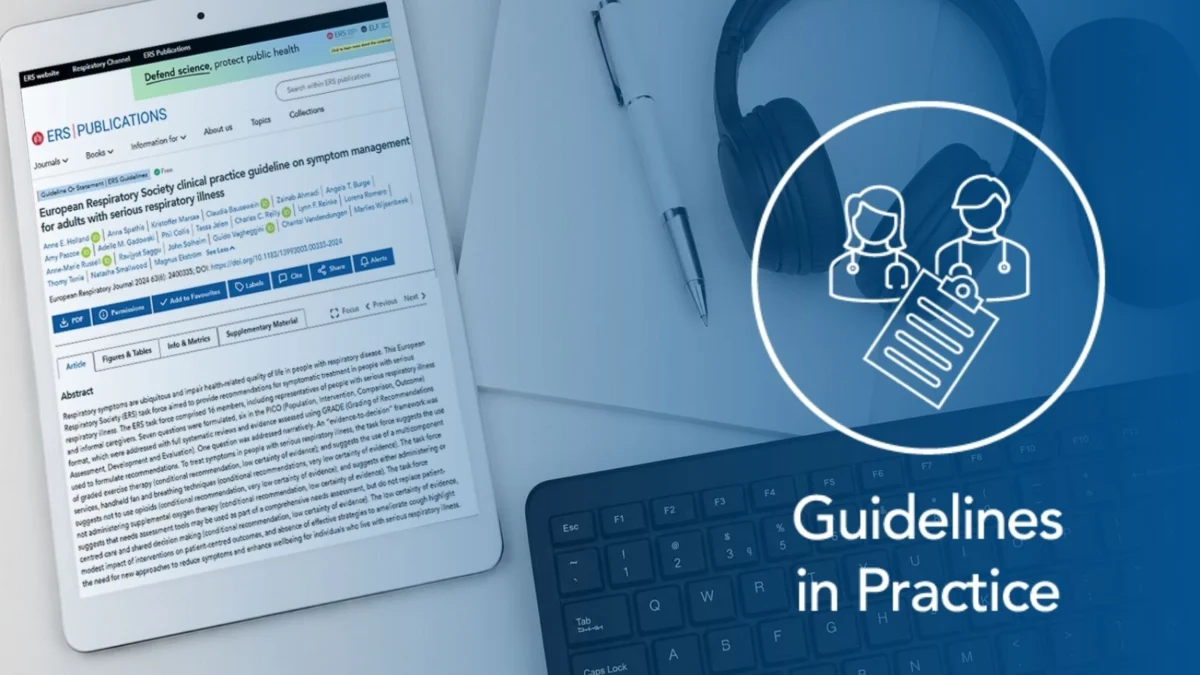
The European Respiratory Society (ERS) has officially unveiled Guidelines in Practice, an innovative podcast series designed to bridge the often-daunting gap between clinical research and bedside application. By focusing on the real-world utility of ERS clinical practice guidelines (CPGs), this new audio initiative aims to move beyond static, paper-based recommendations and foster a dynamic, iterative dialogue regarding the future of respiratory medicine.
In an era where medical knowledge evolves at an unprecedented pace, the translation of evidence-based guidelines into daily clinical workflows remains a significant challenge for healthcare systems globally. The ERS, through this new series, seeks to demystify the implementation process, highlighting both the successes of new standards and the persistent barriers that clinicians face in diverse settings.
The Core Concept: Moving from Text to Bedside
At its heart, Guidelines in Practice is a narrative-driven project. Each episode features a structured conversation between a member of the original guideline task force and an external expert. This interaction takes place precisely one year after the publication of a specific guideline—a strategic timeline chosen to allow for the initial "ripple effects" of the document to be felt across clinical departments.
Unlike traditional academic forums, which often prioritize the technical minutiae of methodologies or statistical significance, this series prioritizes storytelling. Through clinical cases and anecdotal evidence, the hosts explore how specific recommendations have—or have not—altered the treatment landscape. The podcast aims to answer the questions that often go unaddressed in journals: What are the practical hurdles to implementation? Which patients benefit the most from these changes? And how must we adapt our infrastructure to meet these new standards?
Chronology of Development: A New Era for ERS Communication
The launch of the podcast follows years of deliberation within the ERS regarding how best to support its membership in navigating complex clinical updates.
- 2024–2025: The ERS Guidelines Committee identifies a recurring trend: while clinicians highly value the rigor of ERS publications, there is an unmet demand for practical implementation strategies. Preliminary surveys suggest that practitioners feel overwhelmed by the volume of new guidelines and often lack the time to synthesize them into daily practice.
- Early 2026: Development begins on a multimedia platform to host "living" discussions. The goal is to create a library of content that complements the ERS Respiratory Channel.
- May 2026: The official launch of the series coincides with a push for greater accessibility in medical education, signaling a shift toward audio-first, on-demand professional development.
Supporting Data: Why Implementation Matters
The necessity of this initiative is grounded in the well-documented "implementation gap" in respiratory medicine. Research indicates that the time between the publication of high-quality evidence and its consistent application in clinical practice can often span years, or in some cases, a decade.
According to internal ERS audits, while the Society’s guidelines are among the most downloaded and cited in the field, there is a lack of qualitative data on how these guidelines function in resource-limited settings versus specialized academic hospitals. By focusing on "impact" rather than "repetition," the Guidelines in Practice series acts as a qualitative research tool. It provides a feedback loop, allowing the ERS to understand where their guidelines may be too prescriptive or, conversely, where they may lack the necessary nuance for local adaptation.
Furthermore, the focus on symptom management—the subject of the inaugural episode—is a critical area of growth. As populations age and the prevalence of chronic respiratory conditions like COPD and interstitial lung disease increases, symptom management becomes a primary pillar of patient-centered care. The integration of palliative care principles into general respiratory practice is one of the most significant shifts in the field, and it is here that clear, actionable guidance is most vital.
Official Perspectives: Shaping the Future of Clinical Guidance
The launch has been met with enthusiasm from leadership, who view this as a crucial step in modernizing medical education. Prof. Winfried Randerath, ERS Guidelines Director, emphasized that the strength of the society lies in its ability to support its members beyond the page.
"ERS guidelines are produced by task forces on specific topics in respiratory medicine in order to guide respiratory professionals in their clinical practice," Prof. Randerath stated. "However, the publication is only the beginning of the journey. ERS guidelines have significant impact on clinical practice, and it will be fascinating to hear first-hand about this impact from the professionals who are implementing the guidance they provide. I look forward to listening to, and taking part in, engaging discussions as part of this new series."
The involvement of high-profile experts—such as Prof. Natasha Smallwood and Prof. Irene Higginson—ensures that the content remains grounded in the highest level of clinical expertise while remaining accessible to the broader medical community.
The Inaugural Episode: A Case Study in Palliative Care
The debut episode of Guidelines in Practice sets a high bar for the series. It centers on the ERS clinical practice guideline on symptom management for adults with serious respiratory illness.
Prof. Natasha Smallwood, Director of Respiratory Medicine at the Alfred Hospital in Melbourne, brings the clinical, ground-level perspective. Her discussion with Prof. Irene Higginson, a pioneer in palliative care policy, explores the complexities of managing breathlessness, cough, and anxiety in patients with life-limiting respiratory conditions. The conversation delves into the often-blurred lines between acute respiratory intervention and comfort-focused care, illustrating how the guideline acts as a bridge between these two disciplines.
By highlighting specific clinical cases, the episode provides listeners with a template for how they might approach similar patients in their own clinics. It addresses the emotional, logistical, and medical challenges of managing serious illness, setting the tone for a series that refuses to shy away from the complexities of the human side of medicine.
Implications: A Shifting Landscape for Respiratory Professionals
The implications of this series are far-reaching. By providing a platform for critical reflection, the ERS is fostering a community of practice that is more resilient and adaptable.
1. Promoting Evidence-Based Advocacy
The series empowers clinicians to advocate for the necessary resources to implement guidelines. When a podcast highlights a specific hurdle—such as a lack of nursing staff to support a new symptom management protocol—it validates the experiences of practitioners globally and provides them with the vocabulary to petition for institutional change.
2. A Living Library of Knowledge
As the Guidelines in Practice library grows, it will become an invaluable archive. Future researchers will be able to look back at these episodes to understand the state of clinical practice at specific points in time, providing a longitudinal view of how the field has evolved.
3. Fostering Interdisciplinary Collaboration
By inviting external experts—often from outside the traditional respiratory bubble, such as palliative care specialists, pharmacists, or digital health experts—the ERS is breaking down silos. This interdisciplinary approach is essential for modern medicine, where the management of respiratory disease is increasingly complex and requires a holistic view of the patient.
Looking Ahead: The Future of ERS Respiratory Channel
The launch of this series is part of a broader commitment by the ERS to enhance its digital footprint. The ERS Respiratory Channel is rapidly evolving from a repository of recorded lectures into a comprehensive hub for multimedia professional development.
For the modern respiratory clinician, the challenge is no longer a lack of information, but the curation and application of it. Through Guidelines in Practice, the ERS is providing a roadmap for this curation. By offering on-demand access to these discussions, the society ensures that its educational content is available when and where the clinician needs it most—whether that is during a morning commute, between patient consultations, or while preparing for grand rounds.
As the series progresses, the ERS invites feedback from its members. The goal is for Guidelines in Practice to remain a responsive, living series that reflects the evolving needs of the respiratory community. Listeners are encouraged to subscribe via the ERS Respiratory Channel, where they can also access the full catalog of on-demand content and stay updated on upcoming live events.
In an age of digital distraction, the ERS has succeeded in creating something that is both intellectually rigorous and deeply engaging. Guidelines in Practice is not just a podcast; it is a vital new chapter in the ongoing story of clinical excellence, ensuring that the best evidence leads to the best possible patient outcomes, one conversation at a time.
For those ready to dive into the current landscape of respiratory care, the first episode is available now at the ERS Respiratory Channel.