







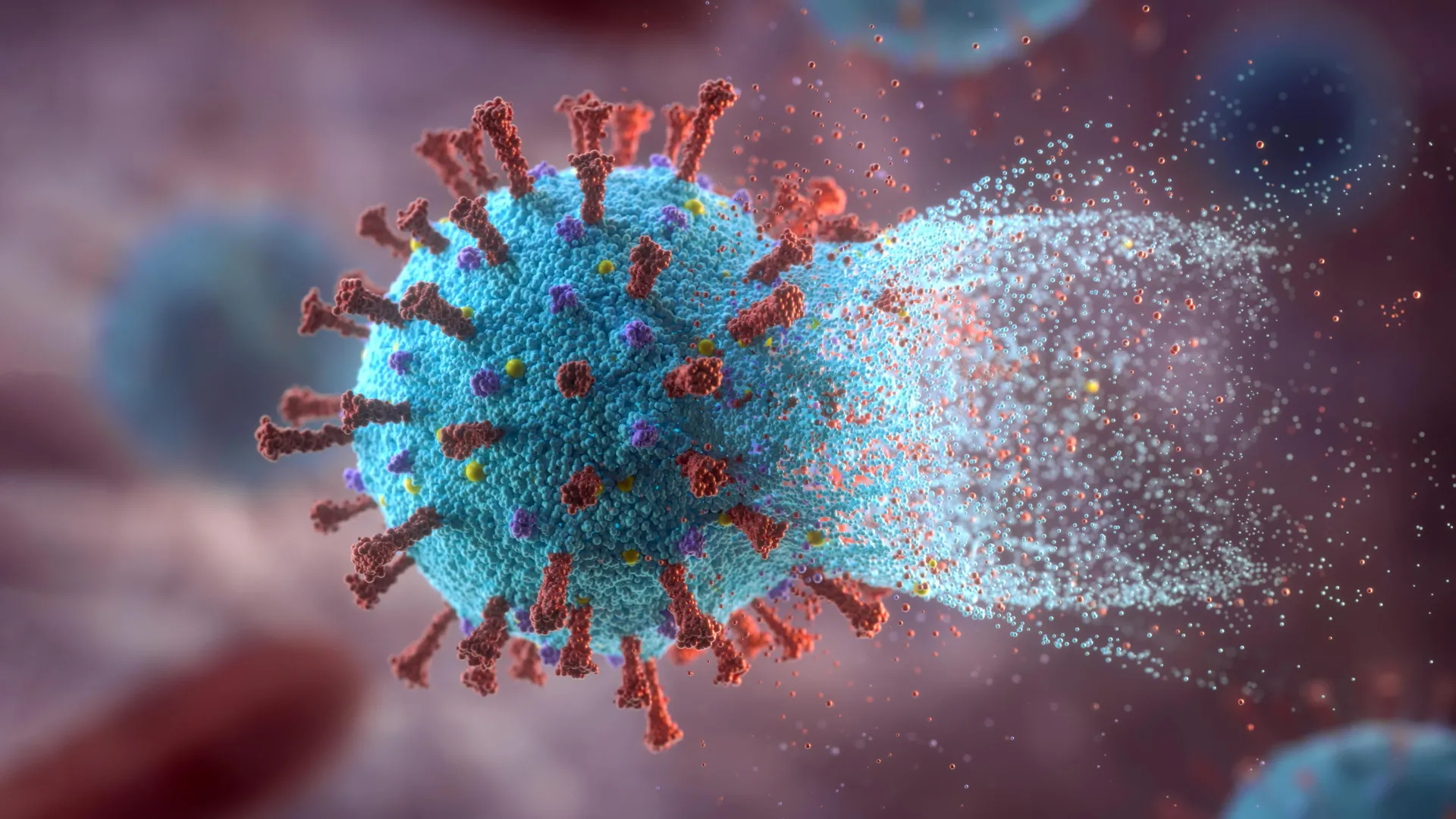
In the ongoing global effort to fortify humanity’s defenses against SARS-CoV-2 and its evolving variants, researchers have turned their attention toward the untapped potential of the Atlantic Forest—a biodiversity hotspot in Brazil. A team of international scientists has identified a promising group of natural compounds, known as galloylquinic acids, derived from the leaves of the Copaifera lucens Dwyer tree. These molecules have demonstrated a remarkable ability to inhibit the virus through a "multi-target" mechanism, offering a potential breakthrough in the development of robust, resistance-resistant antiviral treatments.
The findings, recently published in the journal Scientific Reports, represent a significant milestone in pharmacognosy. By targeting multiple stages of the viral life cycle simultaneously, these compounds suggest a strategy that could transcend the limitations of current single-target antiviral drugs.
The Genesis of the Research: Unlocking the Atlantic Forest
The journey toward this discovery began with the expertise of Professor Jairo Kenupp Bastos and his team at the Ribeirão Preto School of Pharmaceutical Sciences at the University of São Paulo (FCFRP-USP). For years, the team has dedicated its research to the chemical composition and medicinal properties of the Copaifera genus.
Copaifera, a genus of tropical trees belonging to the legume family, has long been used in traditional medicine for its anti-inflammatory and antiseptic resins. However, the specific species Copaifera lucens was selected for this study due to its unique chemical profile. Guided by prior phytochemical analysis, the team hypothesized that the leaves of this species contained specialized metabolites capable of addressing the complex molecular machinery of modern viral pathogens.
The investigation was not a solitary endeavor. It became a collaborative bridge between Brazil and Egypt, bringing together experts from the Delta University of Science and Technology, Tanta University, and Alexandria University. This transcontinental cooperation allowed for a rigorous examination of the compounds, blending Brazilian botanical expertise with advanced Egyptian microbiological and pharmacological methodologies.
A Proven History: Why Galloylquinic Acids?
Galloylquinic acids are not strangers to the scientific community. These phenolic compounds have been the subject of intensive study for their diverse biological activities. Previous research has established their efficacy as antifungal and anticancer agents, demonstrating strong results in both in vitro and in vivo models.
What piqued the interest of the current research team was the existing literature regarding the antiviral potential of these acids. Studies have shown that similar compounds are capable of inhibiting HIV-1 replication with high specificity and, crucially, lower toxicity profiles compared to synthetic alternatives. The transition from testing against retroviruses like HIV to investigating their efficacy against a positive-sense single-stranded RNA virus like SARS-CoV-2 was a logical, albeit ambitious, scientific progression.
Chronology of the Investigation
The research followed a strict, multi-phase scientific protocol, funded largely by the São Paulo Research Foundation (FAPESP).
- Isolation and Characterization: The team first performed an extraction process on the leaves of C. lucens. Through sophisticated chromatography and spectroscopic analysis, they successfully isolated and characterized the galloylquinic acid-rich fractions.
- Safety Verification: Before any antiviral testing could occur, the compounds underwent rigorous cytotoxicity testing. It was essential to ensure that the concentrations required for antiviral activity would not prove toxic to human cells.
- Viral Neutralization Assays: Using plaque reduction assays—a gold-standard technique for measuring the ability of a substance to prevent viral infection—the researchers observed a definitive neutralization of SARS-CoV-2 particles.
- Molecular Interaction Analysis: The final phase involved "interrogating" the virus. The team mapped how the compounds interacted with the virus’s structural and non-structural components, including the spike protein’s receptor-binding domain (RBD), the papain-like protease (PLpro), and the RNA polymerase machinery.
Multi-Target Mechanisms: A Strategic Advantage
The primary scientific breakthrough of this study lies in the "multi-target" nature of the galloylquinic acids. Most currently approved antivirals, such as those targeting the main protease of SARS-CoV-2, function as a "key in a lock." While effective, the virus can often develop mutations that change the shape of the lock, rendering the drug ineffective—a phenomenon known as drug resistance.
According to Professor Bastos, the compounds derived from Copaifera lucens act differently. "An important aspect revealed by this information is the multi-target mechanism of the compound, which reduces the likelihood of resistance developing," he explains.
By simultaneously disrupting multiple stages of the viral life cycle, the compounds:
- Block Viral Entry: By interacting with the RBD of the spike protein, the compounds impede the virus’s ability to bind to the ACE2 receptors on human cells.
- Inhibit Replication: By targeting RNA polymerase, the compounds effectively "stall" the virus’s ability to copy its genetic material.
- Neutralize Immune Evasion: By inhibiting the papain-like protease (PLpro), the compounds prevent the virus from suppressing the host’s innate immune response.
- Suppress Protein Synthesis: The compounds interfere with the assembly of viral proteins, halting the creation of new viral progeny.
Beyond these direct antiviral effects, the study suggests that the compounds possess inherent anti-inflammatory and immunomodulatory properties. In the context of COVID-19, where the "cytokine storm" or hyper-inflammatory response is often more lethal than the virus itself, the potential for a dual-action agent—one that kills the virus while calming the immune system—is a highly attractive therapeutic prospect.
Perspectives from the Research Team
The biological investigation was led by a distinguished trio of Egyptian scholars: Mohamed Abdelsalam, Lamiaa A. Al-Madboly, and Rasha M. El-Morsi.
"This integrated approach allowed us to understand how the compounds work and how they act at the molecular level," noted Mohamed Abdelsalam. His cross-continental affiliation with both the Delta University of Science and Technology in Egypt and the Pompeu Fabra University TecnoCampus in Spain underscores the global nature of this research. The synthesis of botanical raw materials from the Brazilian Atlantic Forest with advanced molecular biology techniques in Egypt highlights the importance of global scientific partnership in addressing public health emergencies.
Implications for Future Medicine
While the laboratory findings are undeniably encouraging, the researchers remain cautious and pragmatic. The transition from in vitro success to a viable clinical treatment is a long and arduous process. The next immediate steps for the team involve in vivo testing—moving the compounds into animal models to observe their systemic effects, pharmacokinetics, and real-world safety profile.
If these hurdles are cleared, the compounds must then proceed through the rigorous phases of human clinical trials. However, the study serves a broader, more profound purpose: it highlights the immense, undervalued potential of Earth’s biodiversity.
The Value of Biodiversity
The Atlantic Forest is one of the most threatened biomes on the planet. By proving that a native species like Copaifera lucens contains complex molecules capable of defeating a pandemic-level virus, the researchers have provided a powerful argument for the conservation of such ecosystems.
"This reinforces the importance of biodiversity, pointing to Brazilian plant life as a rich and strategic resource for discovering novel therapeutic compounds," Bastos added. The discovery is a reminder that nature is not merely a backdrop for human activity, but a sophisticated laboratory that has been evolving chemical solutions to biological threats for millions of years.
As the world continues to grapple with the possibility of future viral threats, the search for natural, multi-target antivirals offers a beacon of hope. By looking to the canopy of the Brazilian forest, science may have found a new way to stay one step ahead of the next viral evolution. The galloylquinic acids of Copaifera lucens represent more than just a chemical discovery; they are a testament to the power of international collaboration and the vital necessity of preserving the world’s natural heritage for the benefit of global health.