









In the sterile, quiet confines of a hospital room, the distance between viral social media trends and clinical reality often becomes tragically short. I recently sat across from a woman who had spent weeks attempting to "save" her husband, who was suffering from unexplained, rapid weight loss. Following the advice of wellness influencers and trending podcasts, she had overhauled their kitchen. She turned to heavy cream in his coffee, thick slabs of butter in his soups, and a diet prioritized around animal fats, operating under the fervent belief that "seed oils"—the vilified vegetable oils of the modern age—were the root cause of his declining health.
She was not trying to cause harm; she was trying to "do right" by her partner. Yet, by the time she was admitted to the same facility for a heart procedure, battling rising blood pressure, the realization was dawning: the diet hadn’t helped. In the quiet space between patient and provider, there was no room left for debate. This scene is playing out with alarming frequency across the United States. As a clinical dietitian specializing in cardiac care, I witness the fallout of a nutritional misinformation campaign that has achieved full institutional legitimacy.
The Rise of a "Vibes-Based" Policy
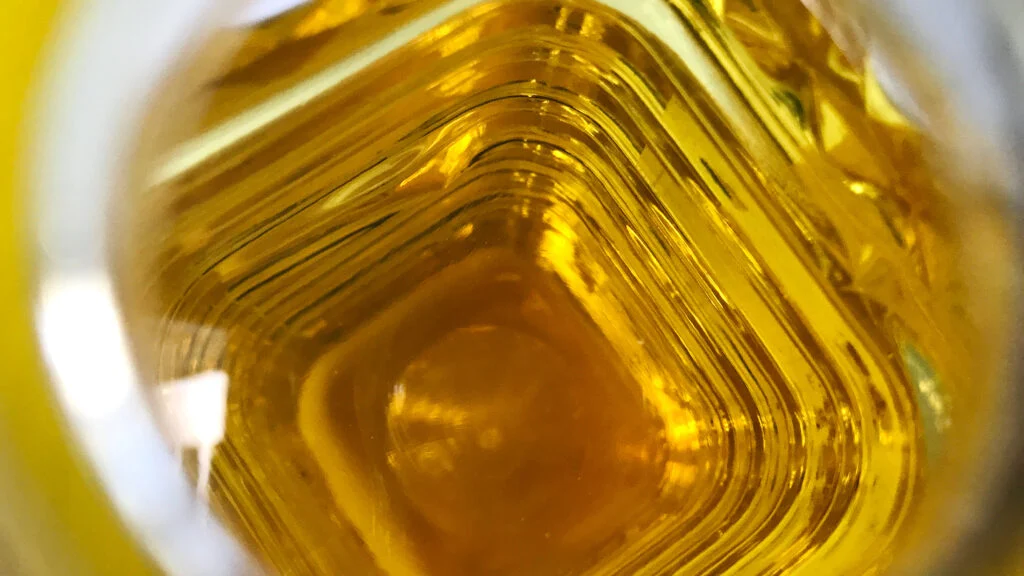
The crusade against seed oils—canola, corn, soybean, sunflower, and grapeseed—has moved from the fringes of the internet to the center of American policy. Robert F. Kennedy Jr. has labeled these oils the single most unhealthy aspect of the American diet, spearheading a movement that has successfully rewritten national nutritional priorities.
The January 2026 dietary guidelines marked a watershed moment in this shift. In a move that discarded 421 pages of rigorous scientific recommendations from the established advisory committee, the new guidelines elevated butter and beef tallow to the status of "acceptable" cooking fats, placing them alongside olive oil.
The private sector responded with immediate, reflexive agility. Steak ’n Shake “RFK’d” its fryers, swapping industrial oils for tallow. Giants like PepsiCo, Kraft Heinz, General Mills, and Nestlé followed suit, announcing massive reformulations of their flagship products. It is a massive, systemic pivot—one that is running well ahead of the evidence.
Chronology of a Misguided Revolution
The current panic didn’t emerge in a vacuum; it is the culmination of decades of lobbying and the recent rise of "influencer-led" nutrition.
- Pre-2020: The scientific consensus remains largely stable: polyunsaturated fats (PUFAs) are heart-healthy alternatives to saturated fats.
- 2020: A landmark Cochrane meta-analysis of 59,000 participants confirms that replacing saturated fat with polyunsaturated fat reduces cardiovascular events by 21%.
- 2024–2025: The "Seed Oil" narrative gains traction on social media, driven by "wellness" influencers who frame industrial oils as "toxic" and "inflammatory."
- January 2026: The revised U.S. Dietary Guidelines are released, effectively abandoning the long-standing warnings against excessive saturated fat.
- February 2026–Present: Food corporations rush to reformulate products to align with the new, politically charged dietary framework, prioritizing "traditional" fats over the nuanced, lipid-profile-based science.
Deconstructing the "Seed Oil" Myth
As a clinical dietitian, I want to offer something the current panic lacks: a perspective that is slow, evidence-based, and decidedly less "influencer-friendly."
"Seed oil" is a marketing term, not a nutritional category. When we discuss these oils, we are discussing vegetable oils rich in polyunsaturated and monounsaturated fats. For decades, these fats have been shown to lower rates of cardiovascular disease when they replace saturated fat. The risk reduction observed in clinical trials—roughly 21%—is comparable to the efficacy of statin medications. Yet, we do not advise patients to discard their statins based on a podcast segment.
The core argument against these oils is that linoleic acid—an omega-6 fatty acid—drives systemic inflammation. While this sounds biologically plausible, it is not supported by randomized controlled trial evidence at dietary exposure levels. Similarly, the argument regarding oxidation at high heat is chemically valid—one should avoid reusing frying oil repeatedly—but the evidence that standard home-cooking causes measurable harm to the average consumer is non-existent.
The Real Villain: The Ultra-Processed Trap
The panic against seed oils is a deflection. It misattributes the genuine dangers of the American diet. Ultra-processed foods are undoubtedly a problem, but not because of the specific fat used in their production.
In 2019, a landmark study by Dr. Kevin Hall at the National Institutes of Health (NIH) demonstrated that individuals on an ultra-processed diet consumed roughly 500 more calories per day than those on a whole-foods diet, even when macronutrients were perfectly matched. The food is engineered to override human satiety. The oil is merely one ingredient in a complex, hyper-palatable matrix. Blaming seed oils for the metabolic damage caused by ultra-processed food is akin to blaming the paper wrapper for the poor quality of the burger inside.
The Irony of "Essential" Fats and Tallow
There is a profound irony in the current dietary guidelines. The document encourages Americans to "prioritize oils with essential fatty acids." In nutritional science, "essential" refers to fatty acids the body cannot synthesize and must obtain from diet: linoleic acid and alpha-linolenic acid. These are the very fatty acids most abundant in the oils the guidelines are steering the public away from: soybean, canola, and sunflower.
Furthermore, the pivot to beef tallow introduces a significant, overlooked risk: ruminant trans fats. These naturally occurring fats are present in all beef fat, and in tallow, they exist at levels far exceeding what is considered safe for cardiovascular health. A single meal at a "reformed" fast-food chain—a burger and a large order of tallow-fried potatoes—can contain over 90 grams of saturated fat and nearly 10 grams of trans fats. We are trading the known health benefits of unsaturated fats for the artery-clogging profiles of high-saturated-fat animal products, all while calling it a "health revolution."
Implications: A Rebrand with a Body Count
The "seed oil" panic is not merely a scientific debate; it is a strategic victory for the beef and dairy industries. These sectors have spent decades and millions of dollars in lobbying to rehabilitate saturated fat. The Meat Institute openly celebrated the new dietary guidelines, while soybean growers were left sounding the alarm.
The food industry’s current reformation is not making chips or fries healthier. It is simply swapping one fat for another within the same ultra-processed product. The 700-calorie milkshake remains on the menu; the hyper-palatable nature of the snack remains unchanged.
We are witnessing a populist rebrand that lacks the evidence to support its health claims. As a clinician, I see the human cost: patients in my care are now avoiding healthy vegetables because they saw a "seed oil" label on a bag of frozen produce. They are loading up on saturated fat, sincerely believing they are protecting their hearts.
The Boring Truth
The right answer for our national health is far less dramatic than a dietary revolution. It does not have a podcast, and it does not sell a supplement or a specific brand of beef tallow.
The boring, evidence-backed answer remains consistent: eat more whole vegetables and legumes, reduce the intake of ultra-processed food, and prioritize unsaturated fats. The source of fat matters significantly less than the overall dietary pattern. Nutrition science, however, will always lose the "attention war" to movements that offer a sense of community, a clear villain, and a simple, feel-good solution.
As we move forward, the medical community must prepare for the fallout of this policy shift. We are currently presiding over a public health experiment where the consequences—in the form of cardiovascular mortality—will likely take years, if not decades, to fully measure. Until then, the quiet, evidence-based work continues in the hospital rooms of those who have been misled by the loudest voices in the room.