








Introduction: A Strategic Pivot for Impact
In the high-stakes world of non-profit advocacy, the ability to translate complex medical research into accessible, life-saving information is paramount. The Lymphoma Research Foundation (LRF)—the nation’s preeminent non-profit organization dedicated exclusively to funding innovative lymphoma research and providing comprehensive patient support—has officially announced a vacancy for a Communications Manager.
This role is not merely an administrative function; it is a vital cog in the Foundation’s broader mission to "realize the promise of science to eradicate lymphoma." As the organization seeks to amplify its voice in the national healthcare conversation, the incoming manager will play a pivotal role in shaping how the public, donors, and the medical community interact with the LRF’s multifaceted initiatives.
The Mission: Funding Hope and Science
To understand the significance of this role, one must understand the gravity of the Foundation’s work. Lymphoma, a cancer of the immune system, affects hundreds of thousands of Americans annually. The LRF operates at the intersection of cutting-edge clinical research and patient advocacy. By funding the brightest minds in oncology and providing educational programs for patients who are often navigating a terrifying diagnosis, the LRF serves as a beacon of hope.
The Communications Manager will be tasked with stewarding this legacy, ensuring that every digital interaction, press release, and outreach campaign reflects the urgency and compassion that define the LRF. The position is based in New York City, serving as a hub for the organization’s national efforts.
Chronology: The Evolution of LRF’s Communication Strategy
The search for a new Communications Manager follows a period of significant growth and digital transformation for the Foundation.
Phase I: Establishing the Foundation (Founding to 2010s)
Historically, the LRF relied heavily on traditional media and direct mail to reach its constituents. As the digital revolution took hold, the organization successfully pivoted to web-based educational portals and digital fundraising, recognizing that patients and families often look for medical guidance in the digital space first.
Phase II: The Digital Expansion (2015–2020)
During this period, the Foundation expanded its social media footprint and launched integrated digital communication platforms. This transition required a more sophisticated approach to content creation—shifting from general announcements to targeted, data-driven storytelling that resonated with specific patient demographics.
Phase III: The Modern Era (2021–Present)
Following the challenges posed by the global pandemic, which necessitated a rapid transition to virtual programming and remote patient outreach, the LRF has emerged with a "flex" working model. The upcoming hire will join an organization that has successfully blended traditional office collaboration with modern, flexible work arrangements, setting the stage for a new era of digital engagement.
Supporting Data: Why This Role Matters
The scale of the LRF’s influence is significant. The organization does not just advocate; it executes. With millions of dollars invested annually in research grants and tens of thousands of patients reached through its support services, the "communications engine" of the Foundation is responsible for maintaining the trust of donors and the engagement of volunteers.
- Financial Stewardship: The LRF maintains high ratings from charity watchdogs, a status achieved through transparency and consistent communication regarding how every dollar is spent.
- Constituent Engagement: The Foundation manages a complex ecosystem of stakeholders, including clinical researchers, medical board members, patients, caregivers, and corporate sponsors. The Communications Manager must navigate these diverse groups with a unified brand voice.
- The "Flex" Advantage: The LRF’s current operational model—requiring in-office presence Tuesday through Thursday—strikes a balance between organizational culture building and individual work-life balance, an approach increasingly favored by top-tier non-profit talent.
Official Perspective: The Foundation’s Vision
The Senior Director of Communications and Constituent Engagement, to whom this position reports, emphasizes that the ideal candidate is more than just a copywriter or a social media scheduler.
"We are looking for a storyteller who understands the weight of our mission," an internal spokesperson noted. "The Communications Manager is the bridge between the science happening in the lab and the family sitting in a doctor’s office. They must be able to translate technical, complex breakthroughs into clear, actionable, and empathetic messaging."
The Foundation’s commitment to internal growth is also evident. By positioning this as an "early-career" opportunity with a clear trajectory, the LRF is signaling its intent to invest in the next generation of non-profit leaders. The salary range of $65,000–$68,000 is accompanied by a comprehensive benefits package, including a 403(b) retirement plan with a 5% employer match, reflecting the organization’s commitment to the long-term well-being of its staff.
Implications: The Future of Health Communications
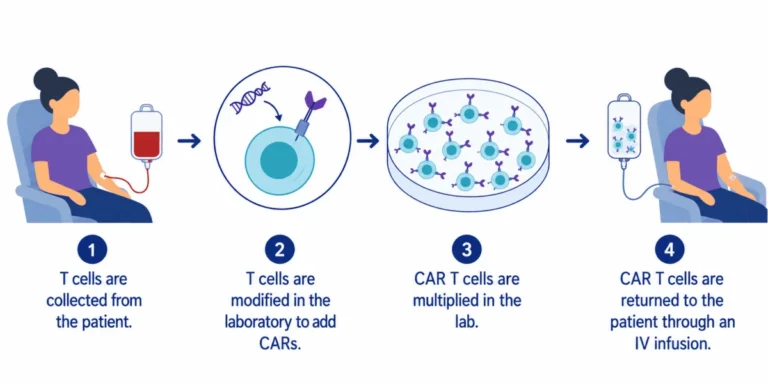
The appointment of a new Communications Manager comes at a critical juncture for the LRF. As medical breakthroughs in immunotherapy and CAR T-cell therapy continue to evolve, the public’s need for accurate, non-alarmist, and hopeful information has never been greater.
1. Strengthening Digital Literacy
The incoming manager will be responsible for navigating the crowded digital landscape where medical misinformation is rampant. By maintaining the LRF’s reputation as a "gold standard" for information, the manager will protect the organization’s credibility.
2. Enhancing Donor Retention
In an economy where philanthropic giving is increasingly competitive, the ability to demonstrate "impact" is the primary driver of donor loyalty. The Communications Manager will use content generation as a tool to show donors exactly how their contributions are shortening the timeline between research and cure.
3. Cultivating a Culture of Proactivity
The LRF explicitly states that they are looking for a "natural problem-solver." This implies that the organization is moving away from reactive communications and toward a proactive strategy—identifying trends in healthcare advocacy before they become mainstream and positioning the LRF as a thought leader in the space.
How to Prepare for the Role: A Guide for Applicants
For professionals considering this opportunity, the LRF has outlined clear expectations. Candidates should possess 2–3 years of direct experience in the communications field. However, technical skill is only half the battle.
- The "Self-Starter" Mentality: In a fast-paced environment, the ability to identify a communications gap and propose a solution without waiting for instruction is a highly valued trait.
- The Communication Spectrum: The role requires a candidate who can pivot between formal, high-level communications with Foundation leadership and the warm, supportive tone required when interacting with patients and their families.
- Organizational Mastery: The ability to manage multiple projects simultaneously is non-negotiable. Whether it is preparing for a national conference or launching a digital awareness campaign, the manager must remain detail-oriented.
Conclusion: A Mission-Driven Career Path
The Lymphoma Research Foundation is not just looking for an employee; they are looking for a partner in the fight against cancer. For the right individual, this role offers the unique chance to combine professional communication expertise with the profound human impact of clinical research.
As the Foundation continues to push the boundaries of what is possible in lymphoma treatment, the Communications Manager will stand at the forefront, ensuring that the world hears the story of progress, resilience, and hope. Those interested in joining a mission-driven organization in the heart of New York City are encouraged to review the application requirements and consider how their specific skill sets can contribute to the eradication of lymphoma.
In the pursuit of a cure, communication is the vital link that connects donors, researchers, and patients. The LRF’s search for a new Communications Manager is, in essence, a search for the voice of the next generation of lymphoma research.