








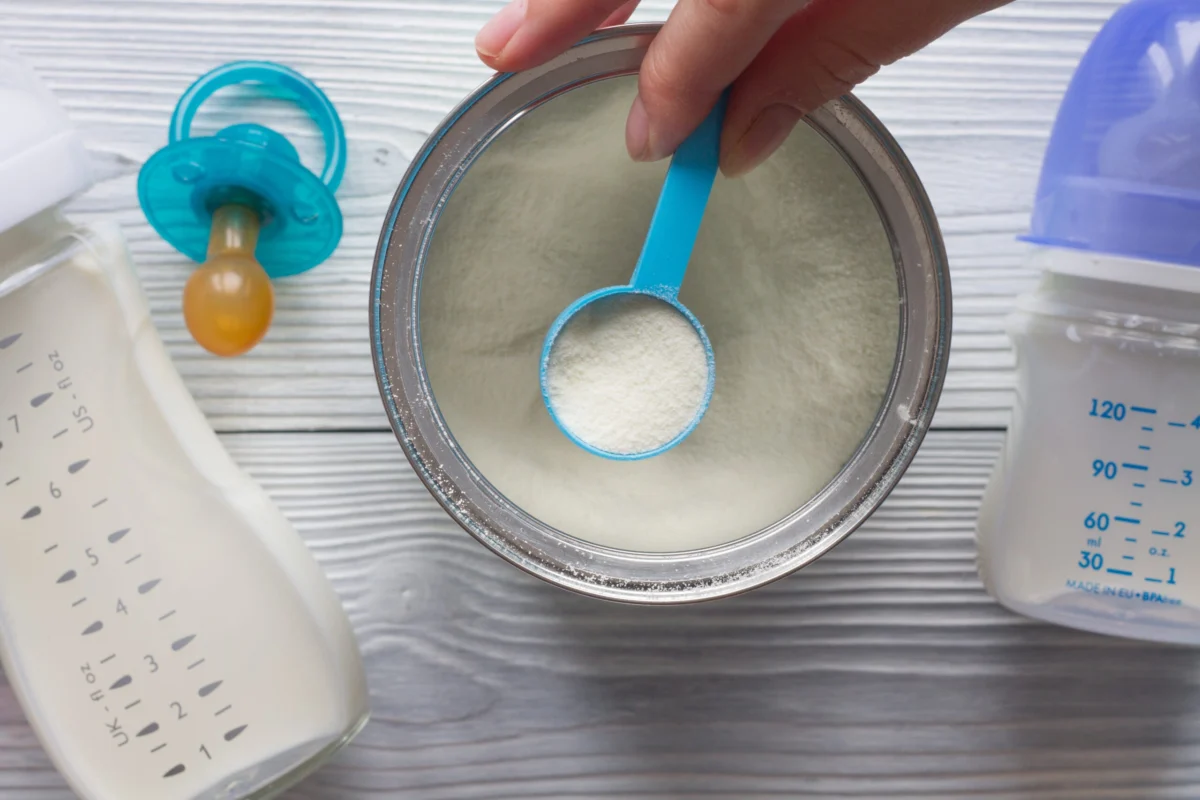
The sight of barren store shelves where canisters of infant formula once stood has become a harrowing symbol of the fragility of the American supply chain. For parents and caregivers, the recent national infant formula shortage was not merely a logistical inconvenience; it was a profound crisis of health and security. As infants rely on formula as a primary source of nutrition when human milk is unavailable or insufficient, the inability to access these products has forced families into desperate situations.
While the acute phase of the shortage has ebbed, the structural vulnerabilities it exposed remain a subject of intense scrutiny by public health experts, policymakers, and families alike. This article examines the origins of the crisis, the systemic failures that exacerbated it, and the necessary steps to fortify the nation’s nutritional security for its most vulnerable citizens.
The Genesis of the Crisis: A Chronology of Instability
The roots of the infant formula shortage were deep-seated, predating the highly publicized events of 2022. However, the confluence of pandemic-related disruptions and a catastrophic manufacturing failure acted as the catalyst for the nationwide crisis.
The Pandemic Pressure Cooker
Beginning in 2020, the COVID-19 pandemic introduced unprecedented volatility into global supply chains. Manufacturers faced labor shortages, difficulty in sourcing raw ingredients, and massive fluctuations in consumer demand as families shifted toward bulk buying. These stresses placed the formula industry—a sector characterized by extreme concentration—under immense pressure.
The Sturgis Recall: The Breaking Point
In February 2022, the situation escalated from precarious to dire when Abbott Nutrition, one of the four companies that control approximately 90% of the U.S. formula market, issued a massive recall. The recall followed reports of Cronobacter sakazakii infections among infants who had consumed formula produced at the company’s Sturgis, Michigan facility.
The subsequent closure of the Sturgis plant removed a significant portion of the domestic supply from circulation. Because the U.S. market is heavily reliant on a small number of domestic manufacturers, the industry lacked the "slack" required to absorb such a major disruption, leading to empty shelves and widespread panic.
Supporting Data: A Market Defined by Concentration
The severity of the 2022 shortage was largely a function of the U.S. market’s unique structural design. Unlike many other consumer goods, the infant formula market is highly inelastic and oligopolistic.
- Market Concentration: Four major companies dominate the U.S. supply. This lack of diversity meant that when one player faced regulatory or operational hurdles, there were no secondary suppliers capable of scaling production quickly to fill the void.
- The WIC Factor: A significant percentage of infant formula in the U.S. is purchased through the Special Supplemental Nutrition Program for Women, Infants, and Children (WIC). WIC contracts are typically awarded to a single manufacturer per state, which incentivizes companies to prioritize these contracts. While this lowers costs for the government, it creates a "winner-take-all" dynamic that reduces competition and limits the options available to parents if their preferred brand is unavailable.
- Trade Barriers: Historically, the U.S. has maintained strict regulatory barriers against foreign-made formula. Even when domestic supplies dwindled, international manufacturers could not immediately pivot to the U.S. market, delaying the "Operation Fly Formula" relief efforts.
The Human Impact: Why Formula Is Not Optional
Public health discourse often emphasizes the benefits of breastfeeding, which is strongly encouraged by medical organizations like the American Academy of Pediatrics. However, policymakers and the public must acknowledge that for a substantial portion of the population, breastfeeding is not a viable, long-term, or sufficient option.
Barriers to Human Milk Feeding
The reliance on formula is often a necessity, not a choice. Mothers returning to the workforce early—often due to a lack of paid parental leave—may struggle to maintain milk supply. Furthermore, many families lack access to professional lactation support systems.
Specialized Medical Needs
Beyond general nutrition, there is a critical segment of infants for whom standard formula is not an option. Infants with severe allergies, metabolic disorders (such as phenylketonuria), or gastrointestinal conditions require highly specialized, hydrolyzed, or amino acid-based formulas. When shortages hit, these infants were the most at risk, as there are often no "generic" substitutes for their specific medical requirements.
Official Responses and Regulatory Shifts
The federal government’s response to the shortage involved a combination of emergency relief and long-term regulatory re-evaluation.
The Biden administration initiated "Operation Fly Formula," which utilized military aircraft to import millions of canisters of formula from international markets that met FDA safety standards. While effective in the short term, this highlighted the need for a more permanent integration of international suppliers into the domestic ecosystem.
The FDA also faced intense criticism for its oversight of the Sturgis facility. In response, the agency has moved toward a more proactive, risk-based inspection model. The goal is to ensure that critical manufacturing hubs are not just compliant on paper, but are adhering to rigorous sanitary standards that prevent the recurrence of contamination events like the Cronobacter outbreak.
Future Directions: Building a Resilient Nutritional Infrastructure
To prevent a recurrence of these events, experts writing in the American Journal of Clinical Nutrition and other public health journals have proposed a series of structural reforms.
1. Diversifying the Supply Chain
The U.S. must reduce its reliance on a small number of domestic plants. This involves incentivizing new, smaller, or mid-sized manufacturers to enter the market and creating pathways for international brands to maintain a consistent presence in U.S. retail spaces, even during times of stability.
2. Reforming WIC Contracting
Policymakers are exploring ways to make WIC contracts more flexible. By allowing states to offer a wider variety of brands—or by diversifying the manufacturers allowed under state contracts—the government can create a more robust market that is less susceptible to single-manufacturer failures.
3. Enhancing Transparency and Data Monitoring
The government requires better, real-time data on inventory levels and production capabilities. By establishing a federal monitoring system that tracks infant formula stocks similarly to how it monitors other essential commodities, the FDA and the USDA can identify emerging shortages before they reach the consumer level.
4. Investing in Lactation Support
While formula is essential, investing in universal paid parental leave and widespread, low-cost lactation support would provide families with more options. When parents are better supported in their feeding choices, the pressure on the formula supply chain can be mitigated by ensuring that those who can and want to breastfeed have the resources to do so.
Conclusion: A Moral Imperative
The infant formula shortage was a wake-up call regarding the fragility of our essential infrastructure. When the food supply for the most vulnerable members of society is threatened, the social contract is strained.
Moving forward, the focus must remain on building a system that prioritizes nutritional security over absolute efficiency. By fostering a more competitive market, updating antiquated trade policies, and providing robust support for all feeding methods, the United States can ensure that no parent is ever forced to face the terror of empty shelves again. Protecting the nutritional health of infants is not just a logistical challenge—it is a moral imperative that demands sustained attention and decisive policy action.