







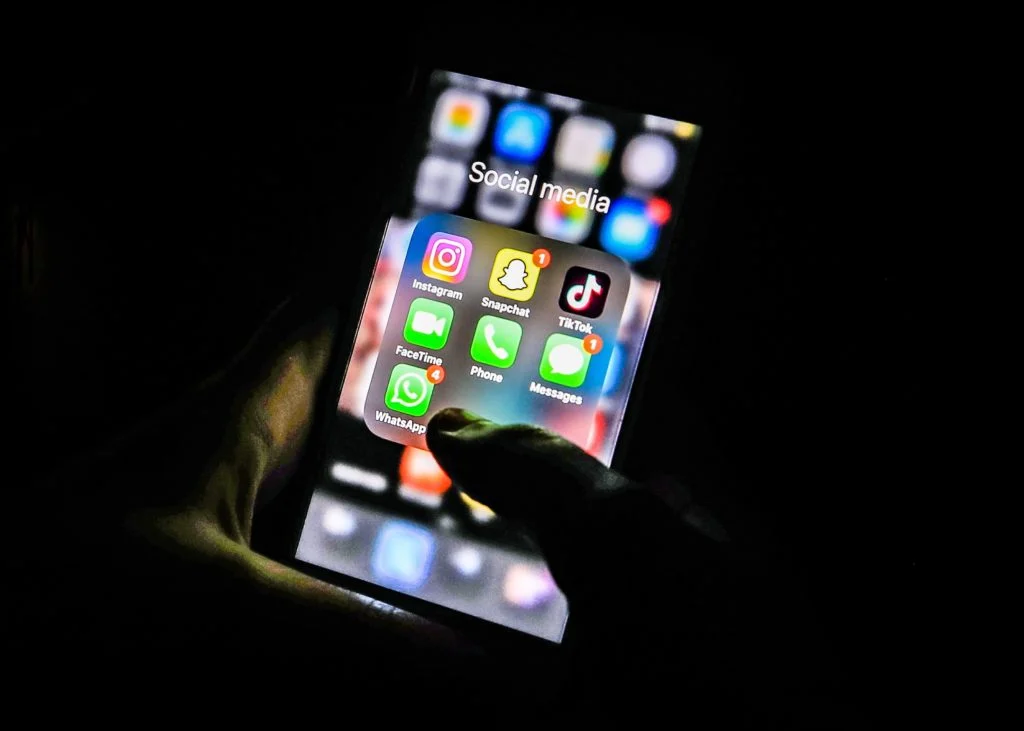
In the digital landscape of 2026, a disturbing phenomenon has migrated from the obscure corners of the internet to the mainstream consciousness. It is known as "looksmaxxing"—a practice defined by an obsessive, often ruthless, pursuit of physical perfection. While social media feeds are saturated with videos of young men and teenage boys documenting their transformations, the reality behind the lens is often far grimmer than the aspirational edits suggest.
From grueling, punishing facial exercises and intentional starvation to the harrowing practice of "bonesmashing"—the literal act of striking one’s jawline or cheekbones with heavy objects to induce micro-fractures and "remodel" bone structure—looksmaxxing has become a dangerous subculture. Yet, as this movement gains millions of followers on platforms like TikTok and Kick, society continues to treat it as a curious cultural trend rather than a profound public health crisis.
The Anatomy of an Obsession: Main Facts
At its core, looksmaxxing is a hyper-individualized approach to aesthetics. Proponents categorize their efforts into "softmaxxing" (grooming, skincare, gym habits) and "hardmaxxing" (surgery, chemical intervention, and dangerous physical manipulation). The goal is to reach a "peak" version of oneself, often measured against an unattainable, algorithmic standard of attractiveness.
Mental health professionals, however, see a different pattern. The behaviors exhibited by these young men—fixation on perceived flaws, repetitive body-checking, social withdrawal, and the use of performance-enhancing drugs or dangerous physical tools—are classic indicators of body dysmorphic disorder (BDD) and clinical eating disorders.
The danger lies in the framing. While "pro-anorexia" communities of the early 2000s were easily identified as harmful by the public, looksmaxxing wraps itself in the language of "self-improvement," "discipline," and "optimization." By masking psychological distress as goal-oriented success, the movement evades the scrutiny typically applied to self-harm behaviors, allowing it to flourish under the guise of productivity.
A Chronological Descent: From Tumblr to TikTok
The roots of this obsession are not entirely new; they are a grim evolution of past digital subcultures.
- The 2000s (The Pro-ED Era): During the early days of blogging, platforms like Tumblr and MySpace became hubs for "pro-ana" and "pro-mia" communities. These spaces, primarily occupied by young women, encouraged dangerous weight-loss techniques. It took over a decade of pressure and public outcry before platforms like Tumblr formally banned pro-eating disorder content in 2012.
- The Early 2020s: As social media shifted toward short-form, high-engagement video content, the "looksmaxxing" ideology began to take root. Initially a niche corner of "incel" forums, the trend exploded on TikTok during the pandemic, where the lack of real-world social interaction exacerbated body image anxieties.
- 2024–2025: Looksmaxxing moved into the mainstream. Influencers with massive followings began documenting their "mewing," "bonesmashing," and starvation diets. The movement became a pillar of a specific, often misogynistic, version of masculinity that centers on physical dominance and status.
- 2026 (The Current Landscape): Today, the phenomenon is firmly entrenched in the pop-culture zeitgeist. Despite widespread awareness of its dangers, there is little to no regulatory pushback from social media platforms, which continue to host, monetize, and amplify the most extreme creators in this space.
Supporting Data: The Hidden Toll on Men
Societal perceptions of eating disorders have historically been gender-coded, leaving boys and men behind in terms of clinical support.
A 2025 analysis of clinical research confirmed that the medical community’s traditional focus on "thinness" as the primary marker for eating disorders has blinded practitioners to the realities of male body image issues. While girls may fixate on thinness, boys and men are disproportionately driven by an obsession with "leanness"—the pursuit of an "ideal" ratio of muscle to body fat.
The statistics are alarming:
- Approximately 1 in 3 individuals struggling with an eating disorder is male.
- The prevalence of body dysmorphia among young men is rising, driven by constant exposure to filtered, edited, and surgically enhanced images on social media.
- Clinical screenings often fail to detect these disorders in men because they look for "anorexic" symptoms rather than the restrictive or compensatory behaviors associated with "muscle dysmorphia" or "orthorexia."
The consequences of ignoring these symptoms are severe. Untreated body dysmorphia and eating disorders lead to long-term physical damage, including cardiovascular failure, gastrointestinal dysfunction, hormonal imbalances, and a significantly increased risk of suicide.

The Institutional Failure: Official Responses
While platforms like Meta, TikTok, and Pinterest have developed robust community guidelines regarding self-harm and disordered eating, looksmaxxing exists in a blind spot.
Current policy frameworks are designed to identify content that says "I want to be thin," but they are ill-equipped to address content that says "I want to maximize my frame through surgery and starvation." Because the latter is framed as a "masculine grind," it is rarely flagged by safety algorithms.
Furthermore, the media’s role in this crisis has been ambivalent. Prominent outlets have profiled "looksmaxxing" influencers as cultural curiosities, often focusing on the "shock value" of their methods rather than the underlying psychological fragility. By platforming these individuals as celebrities, the media inadvertently validates the behavior, signaling to millions of teenage boys that this self-destruction is a viable path to status and success.
The Implications: Moving Toward a Clinical Lens
The trajectory of the looksmaxxing movement is unsustainable. If we continue to view these behaviors through a cultural lens—treating them as merely "men being men" or "a weird internet trend"—we will inevitably face a public health crisis among the generation currently entering adulthood.
Reclassifying the Behavior
We must shift from "cultural fascination" to "clinical intervention." What a creator calls a "grind" is often a compulsion. When a young man cannot leave his house without lifts in his shoes or feels he must restrict his caloric intake to the point of malnutrition to achieve a "hunter-eye" look, he is suffering from a pathology, not a hobby.
Institutional Responsibility
Social media companies must move beyond generic "help" banners on search results. They must update their community standards to recognize "looksmaxxing" as a category of harmful, disordered behavior. Algorithms that promote these influencers should be de-boosted, and content that encourages physical self-harm—such as bonesmashing—should be banned with the same severity as self-injury content.
Educational and Parental Awareness
Parents, educators, and mentors need to be better equipped to recognize the signs. The fixation on appearance is not a standard phase of puberty; when it becomes all-consuming, it is a cry for help. Recognizing that eating disorders in boys do not always look like starvation—and can instead look like an obsession with fitness, supplementation, and surgical alteration—is the first step toward effective intervention.
A Call for Empathy
Ultimately, the looksmaxxing trend is a reflection of a deeper, systemic loneliness and insecurity. Young men are being sold a lie: that they can "optimize" their way into worthiness. By dismantling the romanticization of this trend and addressing the psychological distress at its core, we can begin to provide these young men with the support they actually need—a sense of belonging and self-worth that is not tied to the shape of their jawline.
If you or someone you know is struggling with body image, eating disorders, or mental health, help is available. You are not alone.
- United States: Contact the 988 Suicide & Crisis Lifeline by calling 988 or texting HELLO to 741741.
- Resources for Men: Visit HeadsUpGuys for specific support tailored to men’s mental health.
- Eating Disorder Support: Visit the National Eating Disorders Association to find professional care.
- International: For a directory of global crisis resources, consult Psychology Today’s international helpline list.