







In a significant breakthrough for oncology, researchers at McGill University have unveiled a novel methodology to supercharge the body’s innate defenses against malignant tumors. By identifying a mechanism to temporarily enhance the efficacy of natural killer (NK) cells—the body’s first responders to infection and disease—scientists have opened a potential new pathway for treating aggressive cancers that have historically evaded traditional immune responses.
The study, published in EMBO Reports in April 2026, details how researchers at the Rosalind & Morris Goodman Cancer Institute (GCI), in collaboration with the Research Institute of the McGill University Health Centre (RI-MUHC), successfully bypassed the protective “shield” that tumors often construct to remain invisible to the immune system. By blocking two specific proteins, the team has not only boosted the lethality of these cells against cancer but has also introduced a safer, faster, and more scalable model for immunotherapy.
The Science of the Breakthrough: Inhibiting the “Brakes”
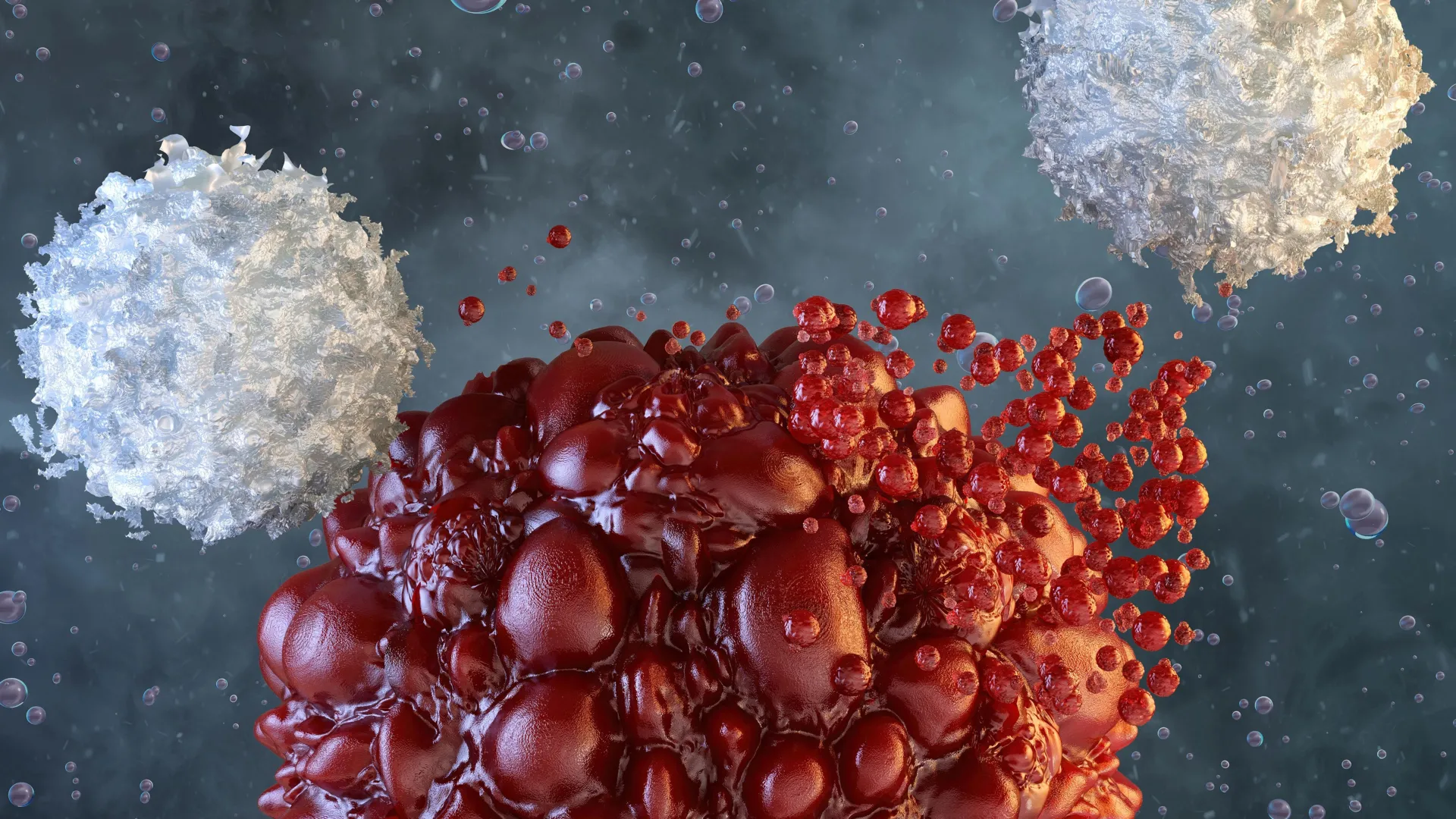
Natural killer cells are specialized lymphocytes that patrol the body, identifying and eliminating virally infected or cancerous cells. However, tumors are notoriously adept at evading these sentinels. They often secrete immunosuppressive molecules or upregulate surface proteins that effectively place a “brake” on the NK cell’s activity, rendering them ineffective.
The McGill research team focused on two specific proteins, PTPN1 and PTPN2. By utilizing small-molecule inhibitors to block these proteins, the researchers effectively removed the physiological constraints preventing NK cells from recognizing and dismantling tumor cells.
Preclinical Success
In extensive preclinical models, the enhanced NK cells demonstrated a remarkable ability to infiltrate and destroy aggressive cancer cell lines. The efficacy was noted across a spectrum of difficult-to-treat malignancies, including:
- Glioblastoma: A highly aggressive form of brain cancer.
- Triple-Negative Breast Cancer: A subtype known for its lack of therapeutic targets.
- Kidney Cancer: Renowned for its resistance to conventional chemotherapy.
- Acute Myeloid Leukemia (AML): A fast-growing blood cancer that poses significant survival challenges.
In animal models, the administration of these “super-charged” NK cells did more than just stabilize the disease; it led to a measurable and significant reduction in tumor growth rates, suggesting that this approach could eventually offer a curative or life-extending intervention for patients who have exhausted standard protocols.
A New Paradigm: Safety Through Reversibility
One of the defining features of this study is its departure from the standard industry reliance on permanent genetic engineering. Many current immunotherapies, such as Chimeric Antigen Receptor (CAR) T-cell therapy, involve the permanent modification of a patient’s immune cells. While powerful, these permanent alterations can carry severe risks—such as cytokine release syndrome or neurotoxicity—that are difficult to manage once the modified cells are introduced into the body.
The Small-Molecule Advantage
The McGill approach utilizes small-molecule drugs to induce a temporary, reversible increase in NK cell activity. Because the modification is not etched into the cell’s genome, the treatment is inherently more controllable. If a patient experiences an adverse reaction, the therapy can theoretically be halted, and the cells will revert to their natural state, providing a safety margin that is currently absent in many gene-editing-based approaches.
This “tunable” quality of the therapy marks a departure from the "set-it-and-forget-it" nature of current cellular immunotherapies, positioning it as a potentially safer option for patients with comorbid conditions or those highly sensitive to aggressive treatments.
Efficiency and Scalability: The "Off-the-Shelf" Model
Beyond the biological efficacy, the research addresses a major bottleneck in modern medicine: the logistical and financial burden of personalized medicine.
Current CAR-T therapies require the collection of a patient’s own immune cells, which must then be sent to a laboratory, genetically modified, expanded, and infused back into the patient. This cycle—known as autologous therapy—can take weeks, during which time the patient’s cancer may continue to progress. Moreover, the process is prohibitively expensive, often costing hundreds of thousands of dollars per patient.
Umbilical Cord Blood: A Universal Resource
The McGill team’s strategy utilizes NK cells derived from donated umbilical cord blood. Led by Pierre Laneuville and Linda Peltier at the Cellular Therapy Laboratory, the team perfected a process to isolate, culture, and store these cells. Because these cells are "allogeneic"—meaning they come from a donor rather than the patient—they can be prepared in advance.
“These NK cells can be ready to use immediately,” the researchers noted. This shift to an “off-the-shelf” product dramatically reduces the time-to-treatment, potentially saving the lives of patients whose disease trajectory is too rapid for conventional custom-engineered cell therapies. Furthermore, by eliminating the need for individual manufacturing for every patient, the cost of treatment could be reduced by an order of magnitude, making it a viable option for public health systems.
Official Perspectives: Looking Toward Clinical Application
The research, led by senior author Michel L. Tremblay, Distinguished James McGill Professor in the Department of Biochemistry, represents a milestone in translational science. Dr. Tremblay emphasized the humanitarian necessity of this innovation, noting that it addresses a critical gap in clinical oncology.
"This approach is particularly promising for patients who currently have very few options, when standard treatments have failed," said Dr. Tremblay. His team’s work bridges the gap between basic molecular biology and bedside utility.
Chu-Han Feng, a lead research scientist at the GCI, highlighted the synergy of safety and efficiency: "This approach will make immunotherapy at McGill University Health Centre faster, safer, and more affordable. It avoids the complex process of customizing cells and uses readily available drugs to reversibly enhance NK cells’ anti-tumor activities."
The transition from the laboratory to the clinic is now the primary objective. The team is currently working to secure the necessary funding and regulatory approvals to initiate Phase I human clinical trials. Their primary target for these initial studies is Acute Myeloid Leukemia (AML), a disease that has seen little progress in long-term survival outcomes for the elderly or those with treatment-refractory cases.
Implications for the Future of Oncology
The implications of the McGill study extend far beyond the specific proteins PTPN1 and PTPN2. By proving that NK cells can be "primed" for action through chemical rather than genetic intervention, the researchers have created a blueprint for a new generation of immunotherapies.
Broader Therapeutic Horizons
If this model of reversible, off-the-shelf cell therapy proves successful in clinical trials, it could be applied to a wide array of diseases beyond cancer. Viral infections, chronic inflammatory conditions, and even autoimmune diseases could potentially be managed using similar techniques to modulate immune cell behavior without the long-term, irreversible risks associated with permanent genetic modification.
Furthermore, the study underscores the value of public-private partnership in research. With support from the Canadian Institutes of Health Research Foundation, the McGill University Health Centre Foundation, and several private philanthropic organizations, the research serves as a testament to the power of sustained investment in basic science.
The Role of Biobanking
The success of this project also highlights the critical importance of public biobanking initiatives. The contribution of umbilical cord blood from volunteer mothers provided the raw material that made this research possible. As the team moves toward human trials, the ongoing support of the donor community remains a vital component of the project’s success.
Conclusion: A New Era of Immunotherapy
As the medical community looks toward the next decade of cancer treatment, the focus is shifting from "more aggressive" to "more intelligent" therapies. The McGill University study represents a significant step in this evolution. By optimizing the body’s own natural defenses through safe, reversible, and scalable methods, the team has provided a glimpse into a future where cancer immunotherapy is not just a last-resort, prohibitively expensive luxury, but a rapid, accessible, and manageable standard of care.
While regulatory hurdles and clinical trials still lie ahead, the foundation laid by the GCI and RI-MUHC teams is robust. Should the results in animal models translate to human patients, this technique may well become a cornerstone of future cancer treatment, offering hope to thousands of patients whose battles against aggressive disease are currently fought with the limited tools of the past.
Study Reference:
Feng, C. H., et al. (2026). "PTPN1/PTPN2 inhibition improves NK cancer therapy by enhancing IL-2 and mitigating TGF-β1 response." EMBO Reports.