Introduction
As health authorities in Central Africa scramble to contain a volatile and rapidly spreading Ebola outbreak, the international community finds itself at a crossroads regarding its strategy for epidemic management. With suspected cases now exceeding 900 and a death toll climbing past 220, experts warn that the official figures—already staggering—likely represent only a fraction of the true devastation on the ground. Amidst this humanitarian emergency, a diplomatic and logistical firestorm has erupted over a controversial proposal by the U.S. administration: the establishment of an American-run quarantine and treatment facility in Kenya, intended specifically for U.S. citizens. This move has drawn sharp rebuke from public health experts, who argue that the policy reflects an "inverted" set of priorities that prioritizes political optics over the fundamental, science-based necessity of extinguishing the virus at its source.
The Current Landscape: A Crisis Out of Control
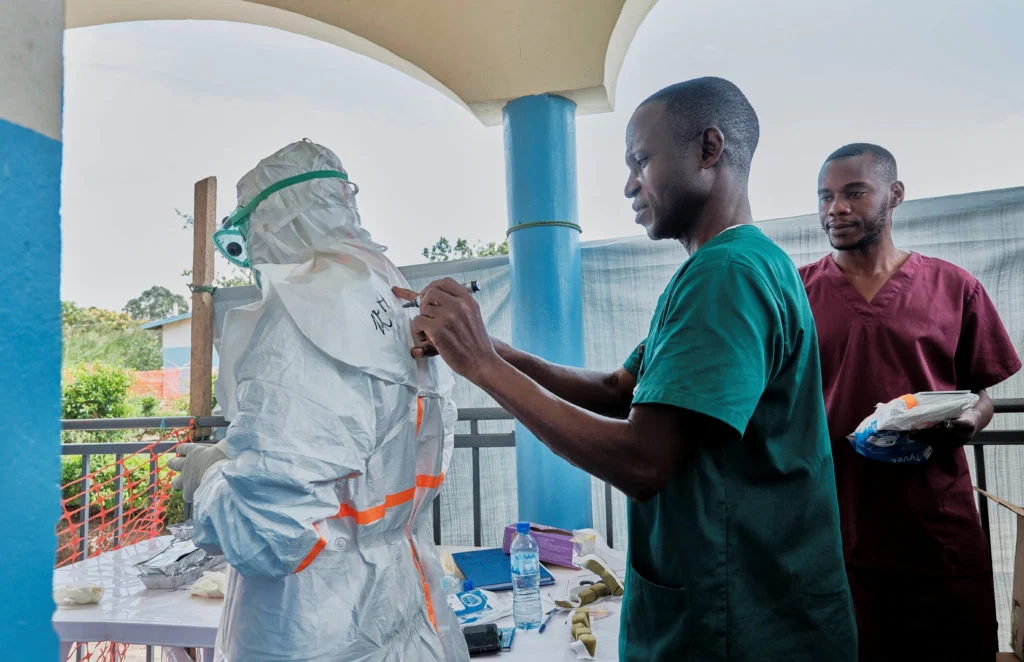
The Ebola virus, characterized by its high fatality rate and the gruesome nature of its symptoms, remains a persistent threat to the stability of the Democratic Republic of Congo (DRC) and its neighboring regions. Local health officials are battling not only the biological pathogen but also deep-seated skepticism among the local population, logistical nightmares in dense, conflict-ridden terrain, and a lack of adequate specialized care facilities.
The current epidemiological data paints a grim picture. With over 900 suspected cases, the sheer velocity of the transmission suggests that current containment measures are failing to create a sufficient perimeter. Public health analysts argue that until the quality of care within the region is radically improved, the trust of the local population—crucial for contact tracing and vaccination campaigns—will continue to erode.
Chronology: From Outbreak to Legal Standoff
The trajectory of this crisis has been marked by a series of reactive, rather than proactive, measures:
- Initial Outbreak Detection: Health officials identified a surge in hemorrhagic fever cases in the DRC, later confirmed as Ebola.
- International Mobilization: Initial international support was viewed by many, including the World Health Organization (WHO), as sluggish, given the historical lessons learned during the 2014 West African epidemic.
- The Kenya Initiative: The U.S. administration, seeking to secure a "safety net" for American personnel in the region, negotiated with the Kenyan government to establish a dedicated medical facility.
- Local Backlash: News of the facility triggered widespread protests in Kenya, with residents fearing that the importation of Ebola patients, however isolated, posed an unacceptable risk to their own public health infrastructure.
- Legal Intervention: A Kenyan court, responding to local legal challenges, issued an emergency injunction temporarily halting the construction and operation of the facility. The court has scheduled a follow-up hearing for next week, leaving the project in a state of suspended animation.
Supporting Data: The Case for Domestic Treatment
Dr. Craig Spencer, an associate professor of public health and emergency medicine at Brown University and a survivor of the 2014 Ebola outbreak, has emerged as a leading critic of the administration’s "quarantine abroad" strategy. His argument rests on a foundation of clinical reality and historical precedent.
Following the 2014 epidemic, the United States invested heavily in building and maintaining a network of high-containment, specialized biocontainment units within domestic hospitals. These facilities represent the gold standard of care for viral hemorrhagic fevers. Currently, these units sit largely empty, maintained at great expense, and designed specifically to handle the very scenario the administration is attempting to manage in Kenya.
"The only real good thing to come out of my illness was the fact that we built and sustained a system of specialized treatment centers all around the United States," Dr. Spencer noted. "Those are sitting empty, and I would be saddened if those continue to sit empty when we have Americans who need this type of treatment."
Official Responses and Strategic Misalignments
The U.S. government’s stance has been framed through the lens of "national protection." By prioritizing the prevention of Ebola’s entry into the United States at all costs, the administration has, according to critics, neglected the core principle of global health security: that the best way to protect one’s own border is to eliminate the threat where it originates.
The Centers for Disease Control and Prevention (CDC) maintains that they are actively engaged in the response, pointing to a recent surge in personnel and financial commitments. However, critics like Dr. Spencer argue that while the response has scaled up, it remains a "fraction" of what is required. The fundamental disagreement lies in the allocation of resources. By focusing on creating a third-tier, improvised facility in Kenya for a handful of potential American patients, the U.S. is effectively diluting the logistical and human capital that could be deployed to improve the quality of care for the thousands of Congolese citizens currently suffering.
Implications: The Moral and Epidemiological Cost
The implications of this policy extend far beyond the immediate legal fight in Kenya. There are three primary consequences to the current approach:
1. Erosion of Trust and Local Cooperation
Epidemics are as much social phenomena as they are biological ones. If local communities perceive that the international response is designed primarily to protect Westerners—or to facilitate the quick extraction of foreigners—their willingness to cooperate with health workers will plummet. The construction of a high-end facility for Americans while local facilities remain under-resourced fosters a sense of inequality that actively undermines containment efforts.
2. Failure to "Raise the Floor"
Public health experts argue that the international community must focus on "raising the floor" of medical care in the DRC. This means ensuring that every patient—regardless of nationality—has access to high-quality rehydration therapy, monitoring, and supportive care. When patients see that survival is possible within the local system, they are more likely to seek treatment early, which in turn reduces the window during which they are infectious to others.
3. Misplaced Priorities and Future Preparedness
The reliance on ad-hoc international quarantine zones suggests a lack of confidence in domestic infrastructure. By failing to utilize the specialized units already built within the U.S., the administration risks allowing these critical assets to atrophy. Furthermore, the focus on travel bans and border containment—tools that are largely ineffective against the rapid spread of Ebola in remote, porous-border regions—distracts from the granular, ground-level work of vaccination and community engagement.
Conclusion: A Call for Evidence-Based Strategy
The Ebola crisis in Central Africa is a litmus test for the modern global health architecture. The legal standoff in Kenya is merely a symptom of a larger, more systemic issue: the tension between populist, border-centric policy and the complex, humanitarian realities of global health.
As the court in Kenya prepares to deliberate, the international community faces a choice. It can continue to pursue strategies of exclusion and isolation, which satisfy domestic political demands but fail to stop the spread of the virus, or it can pivot to a strategy of integration and empowerment. Ending the outbreak requires a unified effort to strengthen the healthcare systems where the disease exists. As Dr. Spencer succinctly put it, "That is the only way that we end this outbreak, which not only decreases the suffering in the region, but also lowers the risk of importation of cases, not just in countries surrounding Congo, but in the U.S. as well."
The path forward demands a departure from the "us versus them" mentality that has characterized the response thus far. Only through the equitable distribution of high-quality medical care and a sustained, science-led commitment to the region’s health infrastructure can the world hope to contain this deadly virus and prevent the next inevitable global health catastrophe.