In a landmark development for cancer immunotherapy, the U.S. Food and Drug Administration (FDA) has granted accelerated approval to Tudriqev (vusolimogene oderparepvec-wtpg), an innovative oncolytic virus therapy. This decision, finalized on August 6, 2026, represents the first new approval of an oncolytic virus in more than a decade, signaling a potential resurgence in the use of engineered viruses as precision weapons against malignant tumors.
Tudriqev is indicated for use in combination with the immune checkpoint inhibitor nivolumab (Opdivo®) for adults suffering from unresectable or metastatic cutaneous melanoma that has progressed following prior treatment with PD-1-blocking therapies. By combining a viral "assault" with the "unbraking" mechanism of checkpoint inhibitors, researchers hope to overcome resistance in patients who have exhausted standard treatment options.
The Mechanism: Turning Viruses into Allies
At their core, oncolytic viruses represent a complete paradigm shift in how we perceive viral infections. Typically viewed as biological threats to be avoided, these viruses have been carefully modified through sophisticated genetic engineering to become selective, tumor-killing tools.
The Two-Pronged Attack
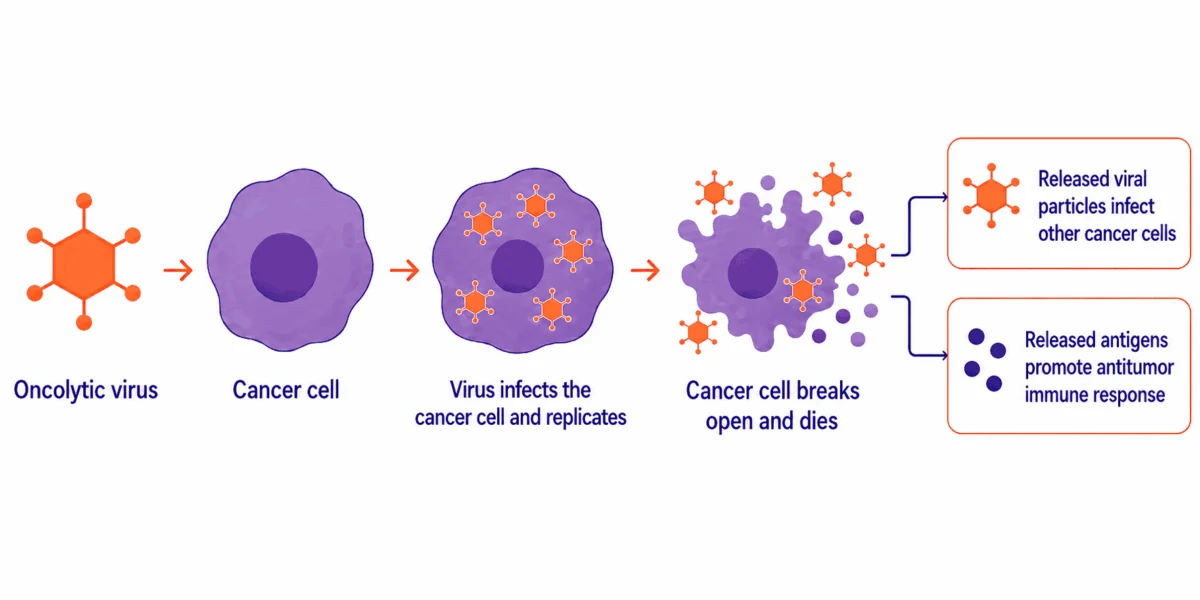
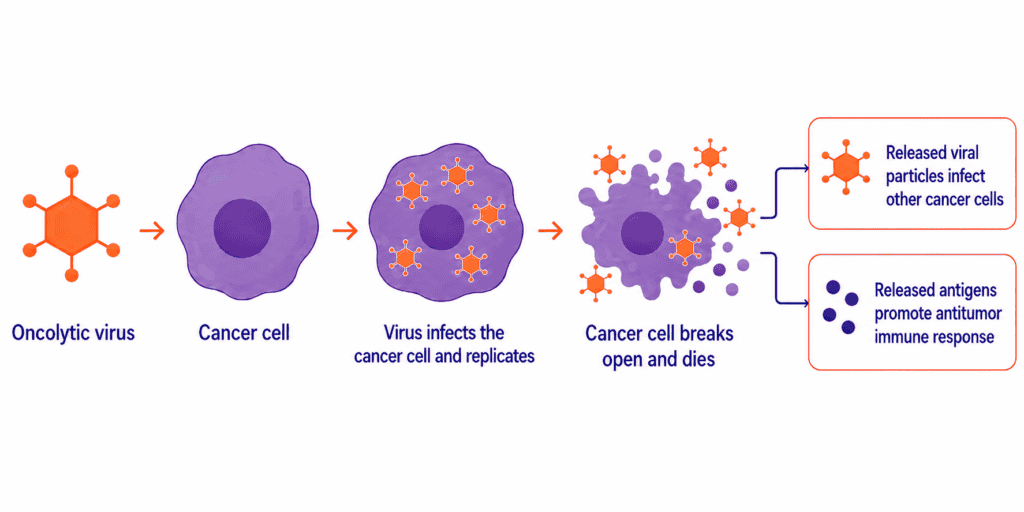
The efficacy of an oncolytic virus like Tudriqev relies on a two-step mechanism designed to dismantle cancer from the inside out:
- Direct Oncolysis: Upon injection, the virus specifically targets and enters cancer cells. Once inside, it hijacks the cell’s machinery to replicate itself until the cell membrane ruptures. This process, known as oncolysis, results in the direct death of the cancer cell. Crucially, as the cell bursts, it releases progeny viral particles that infect neighboring tumor cells, creating a self-amplifying cycle of destruction.
- Immune Priming (The "Cold to Hot" Transition): Perhaps more importantly, the explosion of a cancer cell releases tumor-associated antigens and inflammatory signals. This serves as a "red flag" for the immune system, which may have previously been "blind" to the tumor. By attracting T-cells to the site of the tumor, the virus transforms a previously "cold" (immune-suppressed) tumor into a "hot" (immune-active) environment.
When paired with nivolumab—a drug that removes the molecular "brakes" that cancer cells use to hide from T-cells—the therapy creates a potent synergy. The virus alerts the immune system to the enemy, and the checkpoint inhibitor ensures that the immune system has the sustained energy to finish the job.
A Century of Evolution: The Chronology of Viral Therapy
The path to the approval of Tudriqev is the culmination of over a century of scientific curiosity and rigorous clinical trial data.
- 1904: The Observation: The concept began with anecdotal reports of patients experiencing spontaneous tumor regression following viral infections, suggesting that the body’s response to a virus could incidentally eradicate cancer.
- 1950s–1960s: The Early Trials: Researchers began experimenting with naturally occurring viruses. These early attempts faced significant hurdles; they were difficult to control, often lacked specificity, and posed safety risks to the patient’s healthy organs.
- 1990s: The Engineering Revolution: The field saw a massive shift with the advent of advanced recombinant DNA technology. Scientists gained the ability to "edit" the viral genome, stripping away the components that cause human illness while enhancing the viral affinity for tumor cells.
- 2015: The First Milestone: T-VEC (talimogene laherparepvec, or Imlygic®) made history as the first FDA-approved oncolytic virus in the United States, targeting specific melanoma lesions.
- 2026: The New Standard: The approval of Tudriqev marks the second such approval in history, expanding the toolset available to oncologists and providing a lifeline to patients who have failed initial immunotherapy.
Supporting Data: Evidence from the IGNYTE Trial
The FDA’s approval of Tudriqev was primarily driven by the results of the IGNYTE clinical trial. This multi-center, open-label study was designed to assess the efficacy of the combination of Tudriqev and nivolumab in a population of 140 patients with advanced melanoma who were already resistant to PD-1-blocking therapies.
Key Efficacy Metrics
The primary efficacy analysis focused on a subset of 91 patients who possessed at least one non-injected tumor. This is a critical metric because it measures the "abscopal effect"—the ability of the treatment to trigger an immune response that attacks cancer cells far beyond the site of the injection.
- Objective Response Rate (ORR): 24.2% of patients in the target group experienced a measurable reduction in tumor burden.
- Durability of Response: Among those who responded, the median duration of response was 14.1 months, a significant window of time for patients who had previously seen their disease progress on standard-of-care therapies.
These data points were sufficient for the FDA to grant "accelerated approval," a pathway intended to provide earlier access to promising therapies for serious conditions where there is an unmet medical need.
Official Responses and Regulatory Implications
The FDA’s decision to grant accelerated approval comes with specific conditions. As is standard practice for this pathway, Replimune—the manufacturer of Tudriqev—is mandated to conduct confirmatory trials to verify the clinical benefits observed in the IGNYTE study. The continued availability of the drug remains contingent upon the success of these ongoing investigations.
From a regulatory standpoint, this approval highlights the FDA’s willingness to embrace complex, combination-based immunotherapies. With only 156 FDA-approved cancer immunotherapies tracked by the Cancer Research Institute (CRI) to date, the addition of a second oncolytic virus represents a major expansion of a niche, high-potential category of medicine.
Safety and Side Effects: A Balanced Perspective
While the efficacy is encouraging, patients and providers must remain vigilant regarding the safety profile of Tudriqev. Because the therapy utilizes a genetically modified herpes simplex virus (HSV), the side effects mirror both traditional systemic treatments and localized viral reactions.
Common side effects reported in the IGNYTE trial included:
- Systemic symptoms: Fatigue, fever, and chills.
- Gastrointestinal: Nausea.
- Localized: Injection-site reactions and inflammation.
- General: Flu-like symptoms resulting from the body’s immune activation.
The FDA has included specific warnings regarding the risk of herpes virus infection and the necessity of preventing accidental exposure to the virus among caregivers and family members of patients undergoing treatment. Clinical teams are advised to have thorough discussions with patients about these risks versus the potential survival benefits.
Future Outlook: Beyond Melanoma
The approval of Tudriqev is likely just the beginning. While currently limited to melanoma, the technology is being tested across a wide array of tumor types. The current landscape of oncology research is dominated by a "combination-first" philosophy, where oncolytic viruses are being paired with various therapies, including:
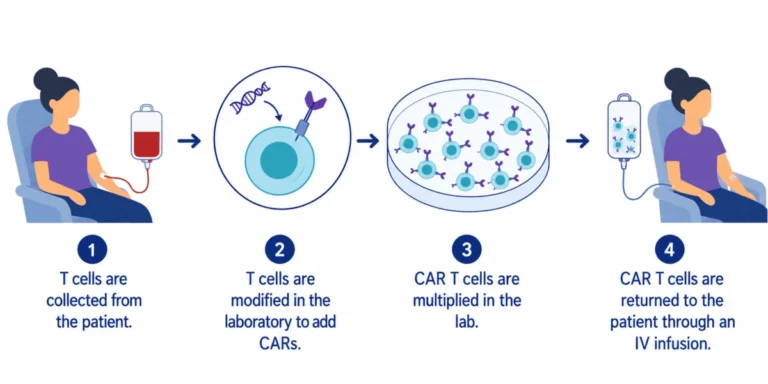
- CAR-T Cell Therapy: Enhancing the migration of engineered T-cells into solid tumors.
- Radiation Therapy: Using viral priming to make tumors more sensitive to ionizing radiation.
- Novel Checkpoint Inhibitors: Testing the virus in combination with newer, next-generation immune modulators.
As researchers continue to decode the tumor microenvironment, the role of oncolytic viruses is expected to grow. The ability to customize a virus to carry specific therapeutic "payloads"—such as cytokines or antibodies—could turn the virus into a programmable "Trojan Horse" that delivers high-dose therapy directly into the tumor, sparing the rest of the body from systemic toxicity.
Conclusion
The arrival of Tudriqev into the clinical arsenal is a testament to the progress made in precision medicine and immunology. By leveraging the ancient, inherent power of viruses and refining it with modern genetic tools, the medical community is moving closer to a future where even the most treatment-resistant cancers can be targeted.
For patients with advanced melanoma, this approval provides more than just a new drug; it provides a new avenue of hope. As ongoing studies continue to explore the limits of this therapy, the medical community looks forward to seeing how these "modified viruses" will change the trajectory of cancer treatment for years to come.
For those interested in learning more about the science behind these therapies, the Cancer Research Institute offers extensive resources, including the "Infecting Cancer: How Viruses Are Turning the Tide Against Tumors" webinar, which provides a deeper look into the research led by experts such as Dr. John Bell.