











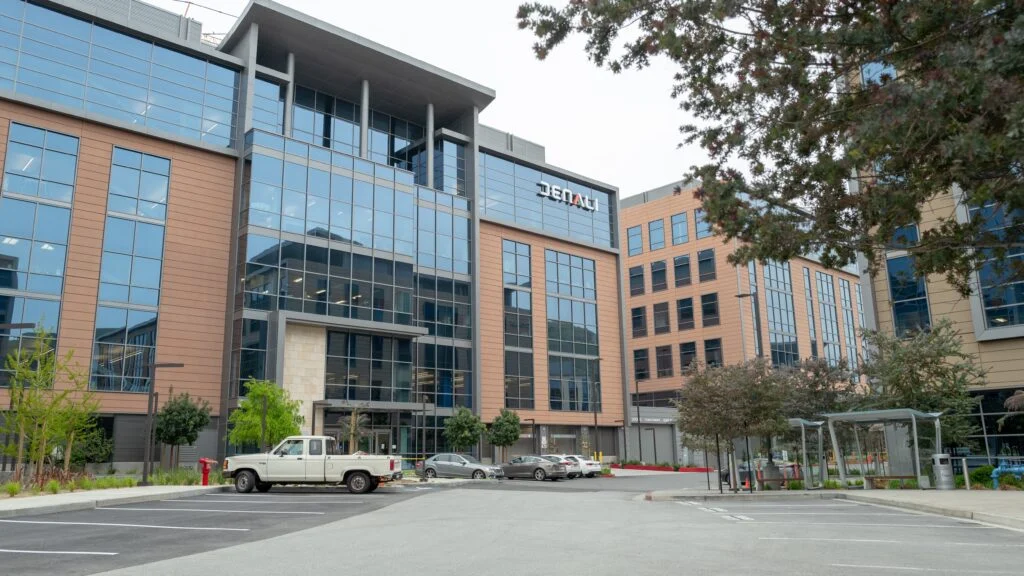
In a sobering development for the global Parkinson’s disease research community, pharmaceutical giants Biogen and Denali Therapeutics announced Thursday that their experimental therapy failed to meet its primary endpoints in a late-stage clinical trial. The study, which evaluated a novel oral treatment designed to inhibit the LRRK2 protein, failed to demonstrate a meaningful slowdown in the progression of the debilitating neurodegenerative disorder.
The failure represents more than just a clinical disappointment; it serves as a significant setback to the "LRRK2 hypothesis"—a scientific framework that has dominated Parkinson’s research for nearly two decades. The loss leaves thousands of patients, advocates, and investors grappling with the reality that one of the most promising targets in neurology has, at least for now, failed to yield the breakthrough many had hoped for.
Main Facts: The Anatomy of a Failed Trial
The randomized, placebo-controlled trial involved 648 participants diagnosed with Parkinson’s disease. Over the course of the study, researchers administered either a placebo or the LRRK2 inhibitor (BIIB122/DNL151) to assess its efficacy in slowing the physical and cognitive decline associated with the disease.
The drug was designed to target the LRRK2 (leucine-rich repeat kinase 2) protein, which is known to regulate cellular traffic within neurons. When this protein becomes overactive due to genetic mutations, it is known to cause rare, inherited forms of Parkinson’s. However, the scope of this study was broader: it sought to determine if inhibiting this protein could provide therapeutic benefits for the general Parkinson’s population, not just those with the specific genetic mutation.
The results were unequivocal: the therapy failed to show a statistically significant difference in disease progression between the treatment group and the placebo group. The primary endpoint, which measured changes in motor function and disease severity, remained largely stagnant for both cohorts, signaling that the drug did not achieve its intended disease-modifying effect.

Chronology: From Scientific Breakthrough to Clinical Stagnation
To understand the weight of this failure, one must look at the timeline of the LRRK2 discovery and the subsequent race to develop a therapeutic agent.
- 2004: The Genetic Discovery: Researchers identified that mutations in the LRRK2 gene were a significant, albeit rare, cause of familial Parkinson’s. This discovery provided a "smoking gun" for scientists, offering a concrete biological target for drug development.
- 2013–2017: Preclinical Momentum: Denali Therapeutics, founded with a focus on neurodegenerative diseases, identified the potential of LRRK2 inhibition. Through rigorous laboratory modeling, the company demonstrated that blocking this protein could normalize cellular pathways in models of the disease.
- 2018: The "Broad Benefit" Hypothesis: A pivotal moment occurred when new research suggested that LRRK2 activity might be pathologically elevated in a wide swath of Parkinson’s patients, not just those with the LRRK2 mutation. This expanded the target market from a small, rare-disease demographic to a massive, global patient population, triggering intense interest from major players like Biogen.
- 2020: The Collaboration: Biogen and Denali announced a multi-billion dollar strategic partnership to develop and commercialize a portfolio of LRRK2 inhibitors, with the lead candidate moving quickly into human trials.
- 2024: The Clinical Verdict: Following years of development, the Phase 2/3 trial data arrived, confirming that the drug failed to move the needle in the broader Parkinson’s patient population.
Supporting Data: Understanding the LRRK2 Pathway
The logic behind the LRRK2 inhibitor was rooted in the concept of lysosomal function. Neurons, which are high-energy cells, require efficient recycling of waste products. The LRRK2 protein is believed to be a regulator of this waste-disposal system (lysosomes). In Parkinson’s patients, it is hypothesized that the LRRK2 protein becomes "hyperactive," causing the lysosomal system to fail, leading to the accumulation of toxic proteins like alpha-synuclein, which eventually kills the neuron.
By introducing an inhibitor, researchers hoped to "turn down" the volume on LRRK2 activity, effectively restoring the cell’s waste-management capacity.
However, the clinical data suggests that the biological reality is far more complex. The failure indicates that even if LRRK2 is involved in the pathology, simply inhibiting the protein may not be sufficient to arrest the cascading failure of neurons. It is possible that by the time a patient presents with clinical symptoms, the damage to the brain’s neural networks is already too advanced for LRRK2 modulation alone to reverse or even stabilize the condition.
Official Responses: A Stoic Pivot
In a joint statement released on Thursday, leadership from both Biogen and Denali Therapeutics acknowledged the disappointing nature of the results while emphasizing their commitment to further analysis.

"While we are disappointed that the study did not meet its primary endpoint, the data gathered will be invaluable for our future efforts in neurodegeneration," said a spokesperson for Biogen. The company noted that it would continue to comb through the secondary endpoints—such as biomarkers and subsets of the patient population—to see if any specific group showed a clinical response.
Denali Therapeutics, which built much of its reputation on the success of its LRRK2 platform, echoed a similar sentiment. "Scientific innovation is characterized by setbacks," a representative stated. "Our focus remains on the biological insights we have gained, which will inform how we approach Parkinson’s research in the future."
Despite the professional veneer, the tone within the industry is one of mourning. For a sector that has seen repeated failures in Alzheimer’s and Parkinson’s, this trial was viewed as one of the "most likely to succeed" projects due to its clear, genetically validated target.
Implications: The Future of Parkinson’s Research
The fallout from this trial will likely be felt across the biotechnology sector for years to come.
1. Re-evaluating the "Genetic First" Strategy
The failure of the LRRK2 inhibitor challenges the current industry trend of relying solely on genetics to identify drug targets. While genetic mutations provide a clear starting point, this trial proves that biological complexity often defies simple, single-protein interventions.

2. A Shift Toward Multi-Target Approaches
Many researchers are now arguing that Parkinson’s disease is a "poly-pathological" condition. Unlike a single-gene disorder like cystic fibrosis, Parkinson’s may require a "cocktail" approach—simultaneously targeting inflammation, protein aggregation, and mitochondrial dysfunction—rather than a single "magic bullet."
3. Impact on Patient Advocacy
For the millions of patients living with Parkinson’s, this news is a profound disappointment. Parkinson’s is currently managed, but not cured; symptoms are treated, but the underlying death of dopamine-producing neurons continues unabated. The hope for a disease-modifying drug is what sustains participation in clinical trials. A failure of this magnitude can lead to "trial fatigue," where patients may become more skeptical of new treatments and less likely to volunteer for future studies.
4. Financial Ripples
For Biogen, the result is yet another hurdle in its efforts to diversify its portfolio beyond its core multiple sclerosis and Alzheimer’s franchises. For Denali, which has seen its valuation closely tied to the promise of its blood-brain barrier transport technology and LRRK2 pipeline, the failure necessitates a strategic pivot. Investors are already beginning to scrutinize the company’s remaining pipeline, placing more pressure on their early-stage assets.
Conclusion: The Long Road Ahead
The failure of the LRRK2 inhibitor is a harsh reminder that in the realm of neurology, the bridge between a promising laboratory discovery and a clinical cure is exceptionally long and fraught with risk. While the dream of a LRRK2-based treatment for the general Parkinson’s population has been set back, the research community is unlikely to abandon the target entirely. Instead, the focus will likely shift toward more nuanced diagnostic tools, earlier intervention strategies, and a deeper exploration of why the brain’s internal defenses fail in the face of neurodegeneration.
As the industry processes these results, one thing is clear: the fight against Parkinson’s remains one of the most difficult challenges in modern medicine. The path forward will require not just more investment, but a fundamental rethinking of how we define and treat the disease at its most microscopic, molecular levels.