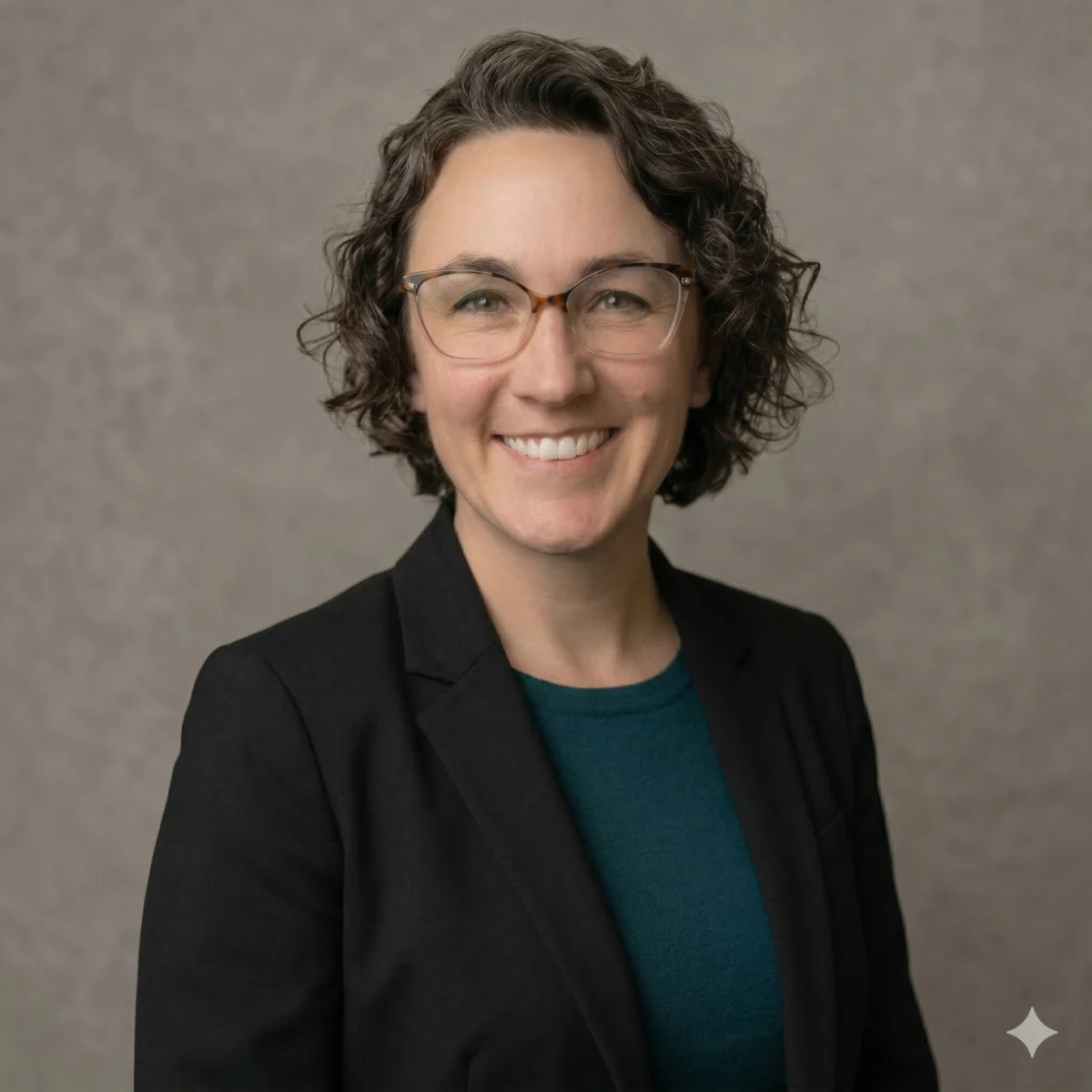
Dallas, TX – In a significant move set to accelerate innovation in upper limb prosthetic rehabilitation, Advanced Arm Dynamics (AAD) has announced the appointment of Lauren Trent, MOT, as its new Senior Clinical Research & Therapy Programs Lead. This strategic role underscores AAD’s unwavering commitment to expanding critical research partnerships and driving forward advancements for an often-underserved patient population. Trent, a seasoned professional with a deep understanding of the unique challenges and opportunities within this specialized field, is poised to spearhead initiatives that promise to redefine the landscape of upper limb prosthetic care.
Her appointment signals a renewed focus on leveraging AAD’s unparalleled clinical expertise and patient access to foster collaborations that bring cutting-edge technologies and therapeutic strategies to those who need them most. With a career dedicated to enhancing the lives of individuals with upper limb differences, Trent’s leadership is expected to be a catalyst for groundbreaking developments in the field.
Main Facts: A New Era for Upper Limb Prosthetic Innovation
Advanced Arm Dynamics, the nation’s only prosthetic provider exclusively dedicated to upper limb rehabilitation, has officially named Lauren Trent, MOT, as its Senior Clinical Research & Therapy Programs Lead. This pivotal role is designed to significantly expand the organization’s research partnerships, thereby accelerating the pace of innovation and therapeutic advancements in upper limb prosthetics.
Trent brings a wealth of experience to her new position, having served for over nine years as an Arm Dynamics clinical therapy specialist. Her tenure includes three years specifically dedicated to coordinating clinical trials, a role that saw her working closely with both patients and leading prosthetic industry manufacturers. This direct, hands-on experience has equipped her with invaluable insights into the practical application of emerging technologies and the real-world needs of upper limb amputees.
Academically, Trent is exceptionally qualified, holding a Master’s degree in Occupational Therapy. She is also currently a PhD candidate at the esteemed University of Kansas Medical Center, where she is diligently completing her doctorate in therapeutic science. This robust academic background, combined with her extensive clinical experience, positions her uniquely to bridge the gap between theoretical research and practical, patient-centered solutions.
The core mission of Trent’s new role is to cultivate and strengthen collaborations with academic institutions, governmental agencies, and industry partners. By fostering these alliances, Advanced Arm Dynamics aims to not only participate in but also drive the development of next-generation prosthetic devices, advanced surgical techniques, and innovative rehabilitation protocols. This initiative is particularly crucial given the historical disparity in research attention between upper and lower limb prosthetics, a gap that AAD is determined to narrow.
Chronology: Lauren Trent’s Journey and Advanced Arm Dynamics’ Enduring Vision
Lauren Trent’s professional trajectory has been one of consistent dedication and progressive specialization within the field of upper limb rehabilitation. Her journey began over nine years ago when she joined Advanced Arm Dynamics as a clinical therapy specialist. In this capacity, she worked directly with patients, providing comprehensive rehabilitative care, fitting custom prostheses, and guiding individuals through the intricate process of regaining function and independence. This foundational experience provided her with an intimate understanding of the daily challenges faced by upper limb amputees, as well as the profound impact that advanced prosthetic solutions can have on their quality of life.
Approximately three years into her tenure, Trent’s talents and interest in innovation led her to a specialized role coordinating clinical trials. This phase of her career was instrumental in shaping her current leadership position. In this role, she served as a vital link between patients seeking access to cutting-edge technologies and manufacturers developing these advanced devices. Her responsibilities included patient recruitment, protocol adherence, data collection, and ensuring the ethical conduct of trials. This direct involvement in the research pipeline allowed her to witness firsthand the transformative potential of new technologies and understand the complexities of bringing them from concept to clinical application. It also honed her ability to navigate the collaborative landscape between diverse stakeholders, a skill that will be paramount in her new leadership role.
Concurrent with her clinical and research coordination duties, Trent pursued advanced academic training. Her Master’s degree in Occupational Therapy provided her with a comprehensive understanding of human function, therapeutic interventions, and patient-centered care. Building on this foundation, she embarked on her doctoral studies, becoming a PhD candidate in Therapeutic Science at the University of Kansas Medical Center. Her doctoral research is focused on exploring novel approaches to rehabilitation and understanding the neurophysiological underpinnings of prosthetic use, further solidifying her expertise in the scientific dimensions of her field. This blend of extensive clinical experience, practical research coordination, and rigorous academic pursuit makes her an ideal candidate to lead AAD’s ambitious research agenda.
Advanced Arm Dynamics itself boasts a rich history rooted in a pioneering vision. Founded in 1998 by the distinguished upper limb prosthetic specialist and researcher John M. Miguelez, CP, FAAOP(D), the organization was established with a singular, revolutionary focus: to provide holistic and specialized prosthetic rehabilitation exclusively for individuals with upper limb loss. At a time when most prosthetic providers offered a broad range of services, Miguelez recognized the critical need for dedicated expertise in upper limb care, a niche often overlooked due to the smaller patient population compared to lower limb amputees.
From its inception, AAD’s philosophy has centered on an integrated approach that combines advanced prosthetic technology with intensive, individualized therapy. This holistic model aims not just to fit a device, but to empower patients to maximize its functionality and integrate it seamlessly into their daily lives. Over the past 28 years, AAD has grown from its initial roots to establish five Centers of Excellence across the United States, located in Dallas, TX; Houston, TX; Kansas City, KS; Portland, OR; and Minneapolis, MN. These centers serve as hubs for comprehensive care, attracting patients from across the nation and internationally, all seeking the specialized expertise that AAD provides.
The organization’s long-standing commitment to research and innovation is deeply embedded in its DNA. Miguelez himself is a renowned researcher, and AAD has consistently sought to collaborate with leading institutions and manufacturers to push the boundaries of what is possible in upper limb prosthetics. Trent’s appointment is a natural evolution of this enduring vision, building upon nearly three decades of clinical care and research experience to usher in a new era of accelerated discovery and enhanced patient outcomes.
Supporting Data: Bridging the Research Gap in Upper Limb Prosthetics
The field of upper limb prosthetics has historically contended with a significant disparity in research attention compared to its lower limb counterpart. This imbalance is a critical barrier to advancing care and often leaves upper limb amputees with fewer options and slower progress in device development and rehabilitation strategies. Lauren Trent succinctly articulated this challenge, stating, “Upper limb amputees are such a small patient population—about 20% of all amputees—that they get overlooked. The much larger lower-limb amputee population attracts many more research opportunities.”
This demographic reality is further complicated by the inherent functional differences between upper and lower limb prostheses. As Trent highlighted, “The functional demands of an upper limb prosthesis are also fundamentally different from those of a lower limb prosthesis.” While a lower limb prosthesis primarily focuses on mobility, weight-bearing, and balance, an upper limb prosthesis must contend with an exponentially more complex array of functions: fine motor control, dexterity, sensation, grip strength, proprioception, and the intricate coordination required for activities of daily living. The human hand alone is a marvel of biological engineering, capable of countless precise movements and sensory feedback; replicating even a fraction of this complexity in a prosthetic device presents immense engineering and neuroscientific challenges.
The consequences of this disparity are tangible. Advances in upper limb devices and rehabilitation strategies have indeed moved at a slower pace, leaving many patients with prostheses that, while functional, may not fully meet their aspirations for independence and quality of life. Patients often grapple with devices that lack intuitive control, provide insufficient sensory feedback, or are cumbersome to operate, leading to frustration and, in some cases, abandonment of the prosthesis. The psychological impact of losing an upper limb, which is so central to interaction with the world and personal identity, further underscores the urgent need for more sophisticated and integrated solutions.
It is against this backdrop that Advanced Arm Dynamics emerges as a uniquely positioned and critical player in catalyzing change. As the only prosthetic provider in the US that focuses exclusively on upper limb prosthetic rehabilitation, AAD operates at the nexus of clinical care and innovation. This specialization means that the company works directly with a patient population that is not only highly proficient in using their prostheses but also deeply invested in the advancement of their care. This concentrated pool of experienced users provides an invaluable resource for clinical trials, offering rich data and nuanced feedback that is difficult, if not impossible, to find elsewhere.
AAD’s specialized clinical environment allows for rigorous testing and evaluation of new technologies in real-world scenarios, translating academic research into practical applications. Their clinicians and therapists possess an unparalleled depth of knowledge regarding the biomechanics, neural control, and psychological aspects of upper limb prosthetics, making them ideal partners for researchers and manufacturers. This expertise ensures that trials are not only scientifically sound but also clinically relevant and patient-centered.
The organization’s long-standing reputation and specialized focus have naturally led to collaborations with some of the most prestigious and influential entities in research and development. AAD’s collaborators have included the Defense Advanced Research Projects Agency (DARPA), a US Department of Defense agency responsible for the development of emerging technologies for use by the military; the Food and Drug Administration (FDA), crucial for regulatory insights and device approval; the Cleveland Clinic, a world-renowned academic medical center; UT Southwestern Medical Center, a leading biomedical research institution; and numerous prosthetic component manufacturers. These partnerships span a wide range of research areas, from the development of advanced bionic limbs with neural interfaces and sophisticated sensory feedback systems to the refinement of surgical techniques like targeted muscle reinnervation (TMR), and the optimization of rehabilitation protocols for maximal functional outcomes. The impact of these collaborations extends beyond just device innovation; it includes fundamental research into motor control, neuroplasticity, and human-computer interaction in the context of prosthetics.
As Trent aptly summarized, “Partnerships are something we do very well, built on 28 years of clinical care and research experience.” This statement highlights not only AAD’s track record but also its intrinsic capability to serve as a pivotal bridge between academic discovery, industrial innovation, and direct patient benefit. By providing a controlled yet clinically relevant environment, AAD accelerates the validation and deployment of technologies that can genuinely improve the lives of upper limb amputees.
Official Responses: A Vision for Collaborative Advancement
Lauren Trent’s enthusiasm for her new role is palpable, deeply rooted in her personal and professional commitment to the upper limb amputee community. “What excites me about advancing research partnerships is the positive impact it has on current and future upper limb patients,” she affirmed. Her statement reflects a profound understanding that scientific progress is not an abstract endeavor but a direct pathway to tangible improvements in human lives. She elaborated on this vision, adding, “The opportunity to trial emerging technologies can revolutionize the way people use their prostheses, increase their functional independence, and enrich their lives.”
Trent envisions a future where upper limb prostheses are not merely functional replacements but sophisticated extensions of the human body, seamlessly integrated through intuitive control and rich sensory feedback. She anticipates focusing on technologies such as advanced bionic hands with multi-articulating digits, neural interface systems that allow for direct brain control, and haptic feedback mechanisms that restore a sense of touch. Furthermore, her focus extends to personalized rehabilitation strategies that leverage artificial intelligence and virtual reality to optimize training and adaptation for each individual patient. "Our goal is to move beyond mere replacement to true enhancement," Trent stated in a follow-up discussion. "We want to empower individuals with prostheses that feel more natural, respond more intuitively, and provide a greater sense of connection to their environment. This means exploring everything from advanced materials to sophisticated machine learning algorithms that can interpret user intent with unprecedented accuracy."
The leadership at Advanced Arm Dynamics echoes Trent’s enthusiasm and strategic vision. John M. Miguelez, CP, FAAOP(D), founder of Advanced Arm Dynamics, shared his perspective on this crucial appointment: “Lauren Trent represents the perfect synthesis of clinical excellence, research acumen, and a profound empathy for our patients. Her deep understanding of both the therapeutic process and the scientific rigor required for meaningful innovation makes her an invaluable asset. This role is not just about expanding our research portfolio; it’s about doubling down on our commitment to our patients, ensuring they have access to the very best that science and technology can offer, now and in the future.” Miguelez further emphasized, "Her leadership will undoubtedly strengthen our existing collaborations and forge new pathways, solidifying AAD’s position as a global leader in upper limb prosthetic care and research. We believe in proactive innovation, and Lauren is the ideal person to guide us in that mission."
The company’s commitment to patient-centric care is a cornerstone of its philosophy. Miguelez highlighted that AAD’s unique clinical environment, where specialized therapists work intensively with patients, provides a crucial feedback loop for researchers. "Our clinicians are on the front lines, witnessing firsthand the capabilities and limitations of current technologies. This direct patient interaction, combined with Lauren’s expertise in trial coordination, creates an unparalleled ecosystem for developing and refining solutions that truly meet patient needs," he explained. This sentiment underscores that for AAD, research is not an isolated academic pursuit but an integral part of delivering superior clinical outcomes and continuously improving the lives of those they serve.
Implications: A Brighter Future for Upper Limb Amputees and the Rehabilitation Field
The appointment of Lauren Trent as Senior Clinical Research & Therapy Programs Lead carries profound implications for Advanced Arm Dynamics, for the community of upper limb amputees, and for the broader field of prosthetics and rehabilitation.
For Advanced Arm Dynamics, this strategic move solidifies its position as a vanguard in upper limb rehabilitation. By dedicating a senior leadership role specifically to clinical research and therapy programs, AAD is not merely participating in research; it is actively shaping its direction and accelerating its impact. Under Trent’s leadership, the organization can expect to see an expansion of its research portfolio, attracting new, diverse partnerships with universities, tech companies, and funding bodies. This will likely lead to an increased number of clinical trials, offering AAD patients earlier access to experimental and cutting-edge technologies. The enhanced research capacity will also reinforce AAD’s reputation as a thought leader, influencing best practices and setting new standards for care in the specialized domain of upper limb prosthetics. This investment underscores AAD’s commitment to not just adapt to the future of prosthetics, but to actively build it.
For upper limb amputees, Trent’s appointment heralds a brighter future filled with hope for accelerated access to truly transformative technologies and improved rehabilitation outcomes. The historical neglect of upper limb research has meant slower progress for this population. With AAD’s heightened focus, patients can anticipate more rapid development and deployment of prostheses that offer greater functionality, more intuitive control, enhanced sensory feedback, and improved aesthetic integration. This could translate directly into a higher quality of life, greater functional independence in daily activities, increased vocational opportunities, and a significant reduction in psychological distress often associated with limb loss. The opportunity to trial emerging technologies means that patients will have a direct voice in the development process, ensuring that new devices are not just technologically advanced but also truly patient-centered and practical. This initiative serves as a powerful advocate for a population that has long been marginalized in research funding and attention.
For the prosthetics and rehabilitation field at large, AAD’s concentrated effort sets a significant precedent. By establishing a dedicated role and robust framework for clinical research within a specialized prosthetic provider, AAD demonstrates a model for how integrated clinical-research environments can thrive and yield substantial results. This could inspire other institutions and providers to adopt similar specialized and research-intensive approaches, particularly for niche patient populations that require focused attention. The data and insights generated from AAD’s expanded research initiatives will contribute invaluable knowledge to the global scientific community, informing future device design, surgical techniques, and rehabilitation protocols. This focused effort could help to close the existing research gap between upper and lower limb prosthetics, fostering a more equitable and comprehensive approach to limb loss rehabilitation worldwide. Furthermore, by actively engaging with DARPA and the FDA, AAD’s work will not only advance science but also influence regulatory pathways and funding priorities for future innovation.
Looking forward, Lauren Trent’s immediate priorities will include a comprehensive review of existing research collaborations, identifying strategic opportunities for new partnerships, and streamlining the processes for clinical trial execution. She aims to foster a culture of innovation that permeates every aspect of AAD’s operations, encouraging therapists and prosthetists to actively engage with research questions and contribute to the generation of new knowledge. Those interested in collaborating with Advanced Arm Dynamics on pioneering upper limb prosthetic research and therapy programs are encouraged to contact Lauren Trent directly at (913) 308-3930 or via email. Her leadership marks a pivotal moment for Advanced Arm Dynamics and promises to significantly advance the frontier of upper limb prosthetic care, bringing cutting-edge solutions closer to those who need them most.