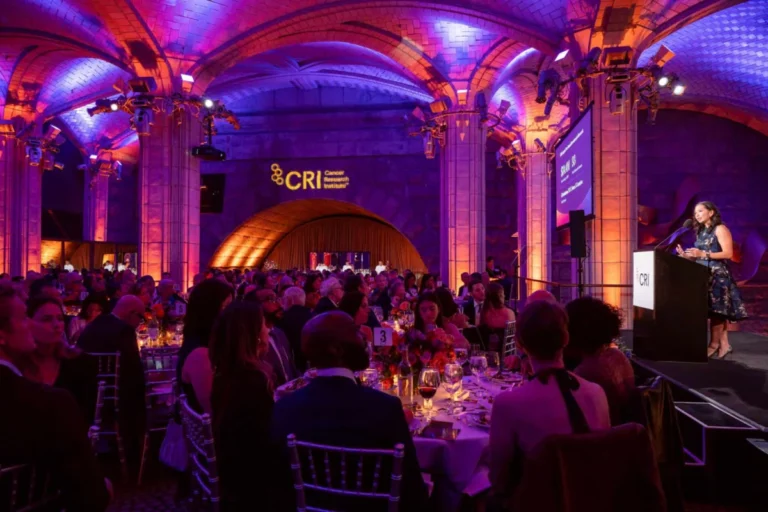






The landscape of oncology has undergone a seismic shift over the last half-century, transitioning from blunt-force chemotherapy toward the nuanced, high-precision world of immunotherapy. At the epicenter of this transformation stands the Cancer Research Institute (CRI). As the field moves into an era defined by artificial intelligence, genetic engineering, and big data, the CRI is doubling down on its most vital asset: the human mind. By investing heavily in the early-career scientists who represent the future of medicine, the Institute is ensuring that the breakthroughs of tomorrow are rooted in the rigorous, innovative, and bold research of today.
The Foundation of a Vision: A Legacy of Mentorship
The commitment to nurturing young scientific talent is not a modern trend for the Cancer Research Institute; it is part of its DNA. Established in 1971 by the Institute’s visionary founding scientific and medical director, Dr. Lloyd J. Old, the postdoctoral fellowship program was designed to solve a fundamental problem: how to build a robust field of study when the science itself is still in its infancy.
Dr. Old understood that the immune system’s potential to combat cancer was vast, but it required a generation of researchers dedicated to unlocking its secrets. He envisioned a pipeline of exceptional young investigators—individuals with the curiosity to ask "why" and the technical expertise to find the answers. For over 50 years, this program has acted as a catalyst, providing not just financial resources, but institutional prestige and a network of peers that has propelled thousands of scientists into leadership roles at the world’s most prestigious research institutions.
The Evolution of the Fellowship: From Basic Science to Digital Frontiers
While the core mission—to train the next generation of cancer immunologists—remains unchanged, the tools at their disposal have evolved dramatically. Today, the CRI maintains two flagship programs that reflect the modern complexity of oncology:
- The CRI Irvington Postdoctoral Fellowship: This is the bedrock of the Institute’s support, having fostered more than 1,600 scientists across 176 institutions in 30 U.S. states and 15 countries. It remains the gold standard for supporting fundamental research into how the immune system interacts with tumors.
- The CRI Immuno-Informatics Postdoctoral Fellowship: Launched in 2022, this initiative recognizes that the next great breakthrough in cancer treatment may not come from a petri dish, but from a server. By training researchers to harness the power of bioinformatics, computational biology, and artificial intelligence, the CRI is preparing the workforce for a future where data-driven insights are just as critical as wet-lab experiments.
Financial Commitment in an Era of Uncertainty
Scientific research is a high-stakes, capital-intensive endeavor. In recent years, federal research funding has faced significant disruptions, leaving many promising projects—and the researchers behind them—in a state of precariousness. Recognizing that the "valley of death" for early-career researchers is wider than ever, the CRI has stepped up to bridge the gap.
To date, the organization has invested nearly $200 million into the postdoctoral pipeline. However, this year marks a significant escalation in that commitment. In a proactive move to counteract funding instability, the CRI has pledged an additional $2.5 million to support 10 new postdoctoral fellowships. This infusion of capital ensures that the momentum of critical projects—spanning cellular engineering, tumor immunology, and emerging biotechnologies—is not lost to bureaucratic delays or funding shortages.
The Fall 2025 and Spring 2026 Cohorts: A New Vanguard
The introduction of the Fall 2025 and Spring 2026 classes of fellows represents more than just a list of names; it is a snapshot of the future of cancer care. These scientists, selected through a rigorous peer-review process, are working on the cutting edge of what is medically possible.
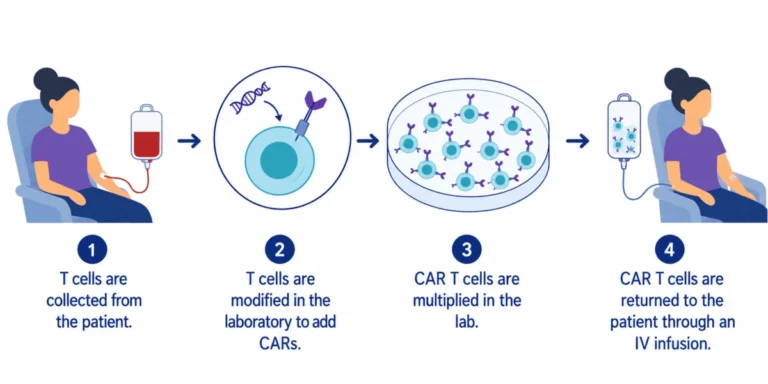
Their research portfolios are as diverse as they are ambitious. Some are focusing on the mechanics of CAR-T cell exhaustion, seeking to understand why some therapies work brilliantly in the short term but fail to persist over time. Others are utilizing machine learning algorithms to predict how specific genetic mutations in tumors affect the "visibility" of cancer cells to the immune system. By providing sustained support during this pivotal transition from doctoral student to independent investigator, the CRI allows these researchers the "intellectual luxury" of pursuing high-risk, high-reward ideas that are often too speculative for traditional, conservative grant mechanisms.
The Implications for Global Health
The impact of these fellowships extends far beyond the individual researchers. When a CRI fellow develops a new technique for gene editing or uncovers a novel immune checkpoint, the benefits cascade through the entire scientific ecosystem.
1. Accelerated Clinical Translation
The bridge between bench-side discovery and bedside application is notoriously difficult to cross. CRI fellows are uniquely positioned to navigate this, as their training often involves collaboration between academic labs and clinical centers. By funding researchers who are comfortable in both spaces, the CRI ensures that discoveries are designed with the patient in mind from the very beginning.
2. Building a Global Scientific Infrastructure
The geographical reach of the fellowship program—spanning 15 countries—creates a global network of expertise. This international collaboration is essential, as cancer is a global challenge that respects no borders. By fostering relationships between institutions in different regions, the CRI is creating a cross-pollination of ideas that prevents scientific silos and encourages a unified, global approach to immunotherapy.
3. Resilience Against Future Challenges
The shift toward immuno-informatics is perhaps the most significant implication for the future. As we move into an age where digital twins of tumors can be simulated and drug responses can be predicted via AI, the researchers trained by the CRI will be the ones setting the standards for this new digital era. They are the architects of a future where immunotherapy is not just a treatment, but a precision-engineered strategy tailored to the unique molecular profile of every patient.
A Call to Action: The Vision of a World Immune to Cancer
The work being done by these fellows is the physical manifestation of the CRI’s ultimate goal: a world immune to cancer. While the road ahead is long and fraught with biological complexities, the progress made by these young scientists provides an objective reason for optimism.
The CRI’s role as a steward of this talent is not just an act of philanthropy; it is a strategic investment in the future of humanity. By providing the time, resources, and mentorship necessary for these researchers to think boldly, the Institute is ensuring that the "big questions" of cancer biology are not just asked, but answered.
As we look at the Fall 2025 and Spring 2026 classes, we are seeing more than just a list of names; we are looking at the individuals who will lead the next clinical trials, develop the next FDA-approved therapies, and potentially, turn some of the most aggressive cancers into manageable or even curable conditions.
Conclusion: Investing in Curiosity
The history of cancer research is a testament to the power of human curiosity when it is supported by institutional stability. From the early days of Dr. Lloyd J. Old’s vision to the high-tech, data-driven laboratories of today, the Cancer Research Institute has remained the steady hand guiding the next generation of pioneers.
For those watching the field of immunotherapy, the message is clear: the breakthroughs of the next decade are being forged right now in the laboratories of these CRI fellows. Their work is the evidence that, despite the challenges of the current scientific landscape, the spirit of discovery is alive, well, and more focused than ever before. To support these scientists is to invest in the promise that one day, cancer will no longer be a sentence, but a challenge that we have learned to overcome.
We invite the scientific community, policymakers, and the public to learn more about the Fall 2025 and Spring 2026 fellows. Their stories, their research, and their unwavering dedication to their craft serve as a reminder that while the path to a cure is difficult, it is a path that we are walking together—and we are closer than we have ever been.