In a move that promises to reshape the landscape of neuro-diagnostics and sleep medicine, Beacon Biosignals has officially finalized the integration of CleveMed into its corporate structure. This strategic consolidation marks the end of a transition period following Beacon’s acquisition of the Cleveland-based medical device pioneer, effectively folding CleveMed’s established infrastructure, including the widely utilized SleepView platform, under the unified Beacon Biosignals banner.
The merger is more than a mere rebranding exercise; it represents the convergence of two distinct but complementary philosophies in healthcare technology. By marrying CleveMed’s robust, nationwide home sleep testing (HST) infrastructure with Beacon’s proprietary, AI-powered brain monitoring algorithms, the company is positioning itself to lead a paradigm shift in how sleep disorders are diagnosed, monitored, and treated outside of clinical settings.
Main Facts: A Synergistic Merger
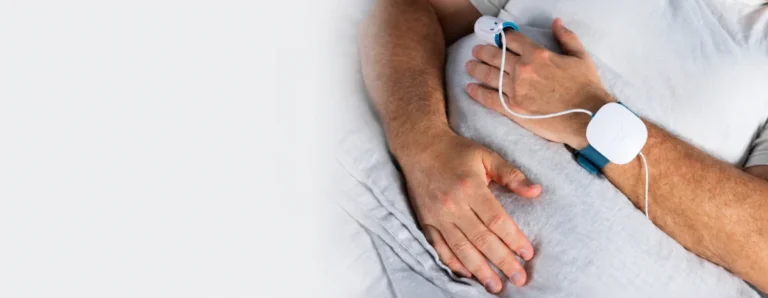
The integration consolidates all of CleveMed’s technology, clinical services, and expertise into the Beacon Biosignals brand. Key assets transitioning under the new unified identity include the SleepView device—a staple in home sleep testing—and the SleepView Direct service, which provides end-to-end diagnostic support for providers and patients.
For the end-user and the clinical provider, the most immediate takeaway is the promise of continuity. Beacon Biosignals has explicitly confirmed that all existing SleepView operations, fulfillment protocols, and clinical support services will remain uninterrupted. The transition is designed to be seamless, ensuring that current partners continue to have reliable access to the diagnostic tools they rely on while gaining a roadmap toward enhanced, AI-driven insights that were previously unavailable.
Chronology: The Road to Integration
The journey to this consolidation began with Beacon Biosignals’ acquisition of CleveMed, a deal aimed at scaling Beacon’s neuro-diagnostic capabilities. Following the acquisition, both organizations operated in a phased transition, ensuring that the legacy trust built by CleveMed over years of service was not disrupted by the change in ownership.
During this period, internal teams worked to harmonize the technology stacks—specifically ensuring that the raw physiological data captured by CleveMed’s devices could be seamlessly ingested and processed by Beacon’s sophisticated machine-learning models. This integration was not merely technical but operational; the firms aligned their supply chains and clinical service portals to ensure a single, streamlined experience for sleep specialists and patients. The official rebranding, announced this week, marks the final phase of this alignment, signaling that the two entities are now fully functioning as a single, cohesive unit.
Supporting Data: The Convergence of Tech and Clinical Scale
To understand the significance of this move, one must examine the specific strengths each company brings to the table. CleveMed has long been recognized for its operational excellence in home sleep testing. Their hardware is designed for ease of use in residential settings, effectively decentralizing sleep diagnostics and reducing the burden on traditional, costly overnight sleep labs.
Conversely, Beacon Biosignals has established itself as a leader in "brain-first" medicine. Their flagship technology, the Waveband—an FDA 510(k)-cleared dry electrode EEG headband—is capable of capturing clinical-grade neurophysiological data over multiple nights in a patient’s home.
When these two datasets—CleveMed’s standardized sleep metrics and Beacon’s high-fidelity EEG brain monitoring—are combined, the result is a massive increase in diagnostic resolution. By applying Beacon’s AI and machine-learning algorithms to this expanded data stream, the company can provide pharmaceutical and clinical researchers with deeper insights into patient stratification, dose selection, and the discovery of novel neurobiomarkers. This represents a transition from simple "sleep apnea detection" to a comprehensive analysis of brain health during sleep.
Official Responses: A Unified Vision for the Future
The leadership teams of both organizations view this consolidation as a necessary evolution of the industry.
Jacob Donoghue, MD, PhD, co-founder and CEO of Beacon Biosignals, emphasized the importance of this integration in his recent statement. "Bringing CleveMed fully into the Beacon brand unifies our vision in delivering a new category of home sleep diagnostics," Dr. Donoghue noted. "We are combining operational scale with brain-first technology to create the most advanced EEG-based home sleep testing platform in the country."
Hani Kayyali, the former CEO of CleveMed who now leads the sleep testing business for Beacon, echoed these sentiments, highlighting the commitment to continuity. "SleepView was built on a simple commitment to make high-quality sleep diagnostics accessible to patients wherever they are," Kayyali stated. "Joining Beacon is the natural next step in that mission. I’m confident in Beacon’s ability to build on what CleveMed’s customers have come to rely on, while adding capabilities that were simply not possible before."
Implications: The Future of Sleep and Neurology
The implications of this consolidation for the broader healthcare market are profound.
1. The Rise of "Precision Sleep Medicine"
By integrating advanced EEG-based neuro-monitoring with traditional home sleep testing, Beacon is effectively creating a new standard for precision medicine. Traditionally, sleep testing has focused on identifying respiratory events. The inclusion of Beacon’s AI-driven brain monitoring allows for the evaluation of sleep architecture—how the brain cycles through stages of sleep—at a scale that was previously limited to clinical research environments.
2. Streamlined Clinical Trials
Beacon’s partnership with pharmaceutical companies is set to accelerate. With a wider network for data collection and a more sophisticated analytical engine, the company can provide pharma partners with cleaner, more granular data to support clinical trials. This is particularly valuable in the development of treatments for neurological conditions where sleep disruption is a core symptom, such as Alzheimer’s, Parkinson’s, and various mood disorders.
3. Increased Access to Diagnostics
The consolidation of CleveMed’s provider network into the Beacon ecosystem is expected to reduce barriers to entry for healthcare systems. As AI becomes more integral to clinical decision-making, providers will likely seek out platforms that offer "all-in-one" solutions. Beacon is now uniquely positioned to offer this, combining hardware, data analysis, and the clinical insights necessary for personalized treatment planning.
4. Continued Innovation
The merger provides a sandbox for future innovation. With the technical debt of integrating two disparate systems now resolved, the combined entity is free to focus on new product development. We can expect to see future updates to the SleepView platform that incorporate predictive analytics—tools that not only report what happened during a patient’s sleep but also suggest potential risks or future trends based on longitudinal data analysis.
Conclusion: A Landmark Moment for Health Tech
The full integration of CleveMed into the Beacon Biosignals brand is a defining moment for the home sleep testing industry. By merging the practical, widespread utility of established sleep diagnostic hardware with the cutting-edge intelligence of AI-driven neuro-monitoring, Beacon is bridging the gap between clinical-grade research and everyday home care.
For providers, the message is clear: the tools you have used to serve your patients are not going away; rather, they are becoming smarter, faster, and more capable than ever before. As Beacon continues to scale its operations, the industry should look to this consolidation as a blueprint for how legacy medical devices can be revitalized through the application of artificial intelligence and data-driven insights. In the evolving theater of sleep health, Beacon Biosignals has moved from a participant to a primary architect, setting the stage for a future where sleep diagnostics are not just accessible, but deeply insightful.