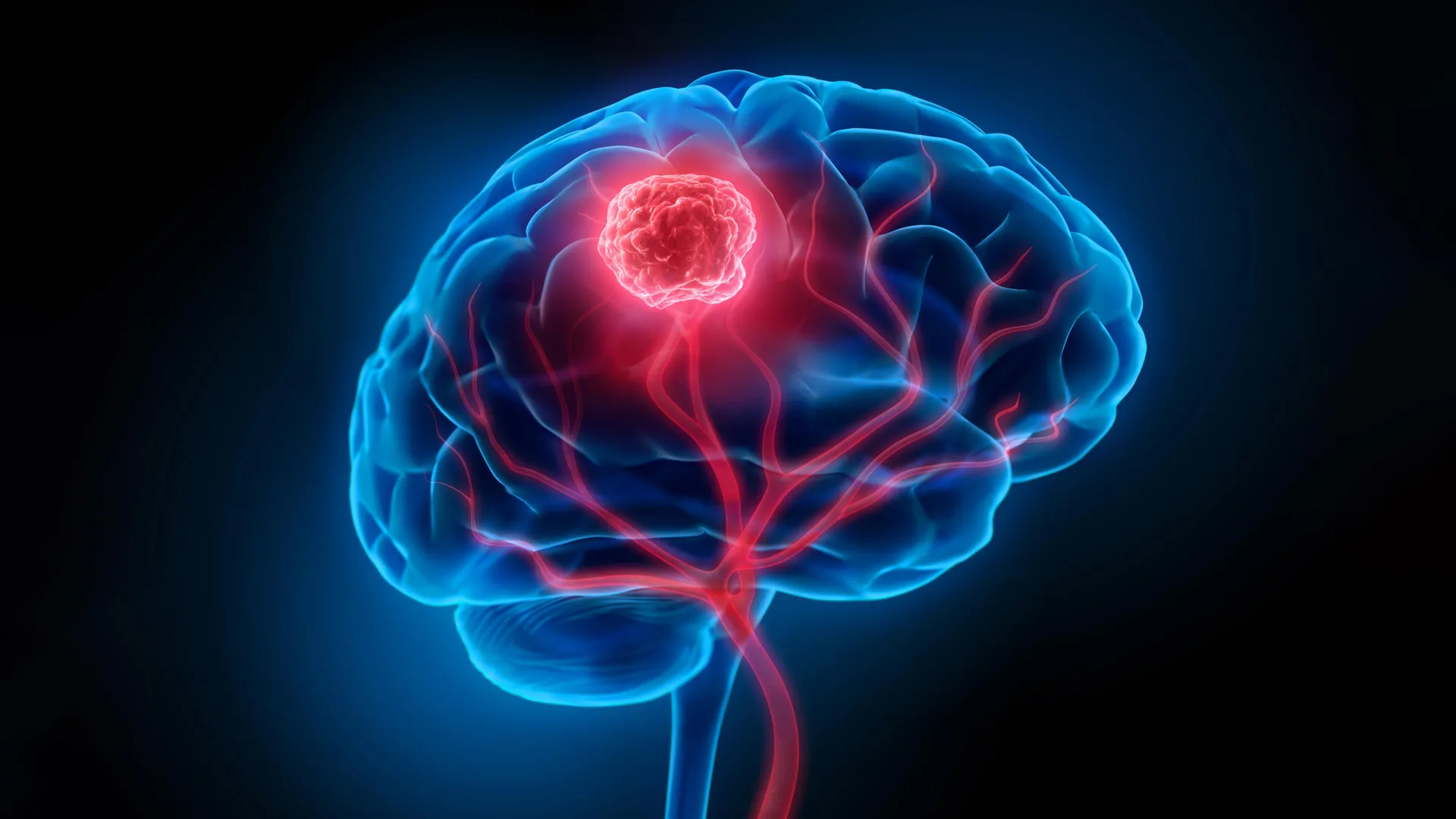
For over two millennia, the medical community’s war on cancer has been defined by a singular, scorched-earth strategy: destroy the enemy at all costs. From the early surgical interventions of the ancient Greeks to the modern era of toxic chemotherapy, high-energy radiotherapy, and high-tech immunotherapy, the objective has remained consistent—annihilate malignant cells. Yet, despite decades of unprecedented scientific advancement, the disease remains one of the leading causes of death worldwide.
Now, a pioneering group of researchers is challenging the foundational logic of oncology. What if the most effective way to defeat cancer is not to attack it with more intensity, but to coax it into a state of healing? This provocative paradigm shift is being led by Professor Indraneel Mittra at the Advanced Centre for Treatment, Research and Education in Cancer (ACTREC) in Mumbai, India. His recent findings suggest that by targeting the cellular mechanisms that fuel tumor aggression, we may be able to “tame” cancer rather than merely trying to burn it out.
The "Wound That Never Heals" Theory
The conceptual roots of Professor Mittra’s work trace back to a landmark 1986 article published in the New England Journal of Medicine by Dr. Harold Dvorak. In his seminal paper, Dvorak famously characterized cancer as "a wound that never heals."
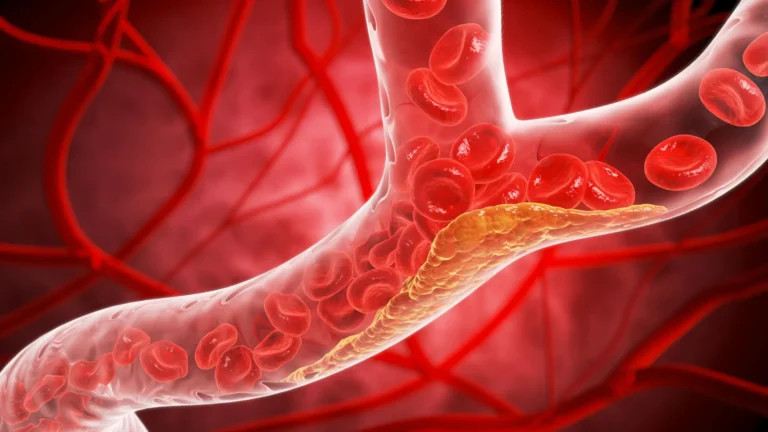
This comparison is not merely metaphorical; it is biological. Both chronic wounds and tumors share distinct physiological features, including persistent inflammation, angiogenesis (the formation of new blood vessels), and the continuous turnover of cells. In a traditional view, medicine treats the tumor as a foreign invader. However, Mittra argues that if we view the tumor as a biological system stuck in a pathological cycle of wound-repair signaling, we can shift our strategy from "killing" to "modulating." By encouraging the tumor to move toward a healed, less aggressive state, we may achieve control where conventional methods have failed.
A Breakthrough in Glioblastoma Research
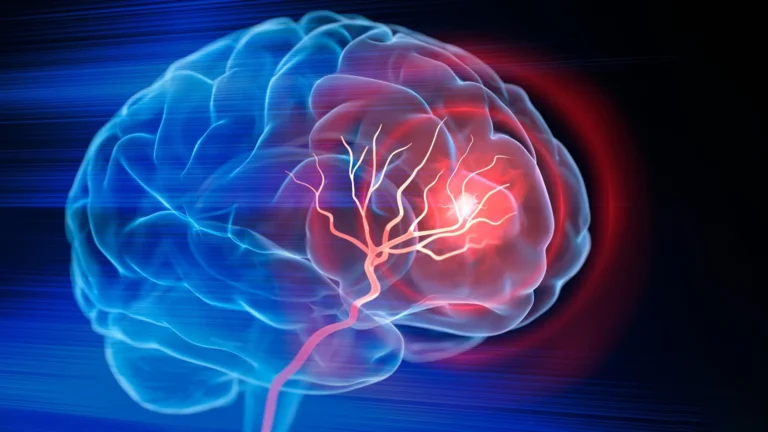
The focus of Professor Mittra’s recent investigation is glioblastoma, one of the most formidable adversaries in oncology. As a highly aggressive brain tumor, it typically resists standard treatments. Even with the gold-standard combination of surgery, radiation, and chemotherapy, the median survival rate for patients remains a sobering 15 months.
In a study published in BJC Reports, Mittra’s team sought to test a gentle, non-toxic intervention. They enrolled ten glioblastoma patients and administered a simple, inexpensive tablet containing two common nutraceuticals: resveratrol and copper. Patients took this supplement four times a day for an average of 11.6 days leading up to their scheduled neurosurgery. A control group of ten patients with similarly aggressive tumors received no such treatment.
The results were striking. When researchers analyzed the tumor tissue removed during surgery using advanced microscopy, immunofluorescence, and transcriptome analysis, they observed a dramatic shift in the biology of the tumors treated with the resveratrol-copper combination. Most significantly, these patients reported zero side effects, marking a stark contrast to the often-debilitating toll of standard cancer therapies.
The Mechanism: Targeting Cell-Free Chromatin Particles
To understand how a simple nutraceutical combination could alter the behavior of a lethal brain tumor, one must look at the role of cell-free chromatin particles (cfChPs).
As cancer cells die—whether naturally or due to treatment—they release fragments of their own DNA, known as cfChPs, into the surrounding environment. Professor Mittra’s previous research established that these particles are far from inert. When they encounter healthy or surviving cancer cells, they induce inflammation and trigger genomic instability, effectively "coaching" the remaining tumor cells to become more aggressive and resistant to therapy.
The study found that in untreated tumors, cfChPs were abundant, creating a hostile, pro-inflammatory environment. However, in the patients who took the resveratrol-copper tablets, these particles were almost entirely absent.
According to Mittra, the mechanism is elegant in its simplicity: “When combined, resveratrol and copper generate oxygen radicals that deactivate or destroy cfChPs.” By eliminating these DNA fragments, the treatment prevents the "vicious cycle" of inflammation that fuels tumor growth. Furthermore, the researchers observed that the tablets encouraged the cancer cells to undergo apoptosis—a controlled, orderly process of programmed cell death—rather than the messy, inflammatory cell death that releases harmful cfChPs.
Challenging the Status Quo: Immune Checkpoints and Cost
One of the most exciting implications of this research involves immune checkpoint inhibitors—a class of drugs currently heralded as a breakthrough in cancer immunotherapy. By blocking specific "checkpoints" that cancer cells use to hide from the immune system, these drugs allow the body to mount a more effective defense. However, these life-saving treatments are notoriously expensive and often come with a heavy burden of autoimmune-related side effects.
Professor Mittra’s study revealed that the simple, low-cost resveratrol-copper combination appears to downregulate multiple immune checkpoints. While the study was small, the data suggests that these nutraceuticals might achieve some of the same therapeutic outcomes as high-priced biologics, but without the toxicity or the exorbitant cost. This raises the tantalizing possibility of a more accessible, scalable, and equitable way to treat cancer, particularly in resource-constrained environments.
The Chronology of Discovery
- 1986: Dr. Harold Dvorak publishes the "wound that never heals" theory in the New England Journal of Medicine, providing the conceptual framework for modern theories on tumor microenvironments.
- Early 2000s–2010s: Professor Indraneel Mittra and his team at ACTREC begin exploring the role of cell-free chromatin particles (cfChPs) in cancer progression, establishing their role as catalysts for tumor aggression.
- 2020–2023: Laboratory trials confirm that resveratrol and copper, when combined, effectively neutralize cfChPs in vitro.
- 2024: Results from the clinical study on glioblastoma patients are published in BJC Reports, demonstrating that the nutraceutical combination significantly alters tumor biology and reduces cfChPs in human patients without toxicity.
Implications for the Future of Oncology
While the current study involves a small cohort, the implications for the future of cancer treatment are profound. If these results are replicated in larger, phase-II and phase-III clinical trials, we could see a total shift in the management of solid tumors.
"We have been trying to kill cancer cells for 2,500 years, since the time of the ancient Greeks, without success," says Professor Mittra. "Maybe it is time to look at cancer treatment differently and work towards healing tumors, rather than annihilating them."
The "healing" approach suggests that we may eventually treat cancer as a chronic, manageable condition—similar to diabetes or hypertension—rather than an acute, life-ending diagnosis. By turning malignant tumors into benign ones through the modulation of the microenvironment, we could preserve the patient’s quality of life, eliminate the need for toxic regimens, and democratize access to life-saving care.
Official Responses and Next Steps
The scientific community has reacted with cautious optimism. While experts agree that the findings are “striking,” they emphasize the need for larger, multi-center trials to validate these findings across diverse populations. The use of nutraceuticals—which are often unregulated—also brings unique challenges in terms of standardization and bioavailability.
Professor Mittra remains undeterred. Supported by the Department of Atomic Energy, Government of India, his team is already planning larger-scale studies to confirm the efficacy of the resveratrol-copper protocol. As the world waits for further validation, one thing is clear: the dialogue surrounding cancer treatment is changing. By daring to ask if we can "heal" rather than "destroy," the medical community may finally be finding a way to rewrite the rules of a war that has lasted for far too long.
As Professor Mittra concludes, "I believe that we may be on the brink of transforming the way cancer is treated." If he is right, the future of oncology will be defined not by the intensity of the weapons we use, but by the intelligence of our strategy.