










For decades, the public health mantra regarding weight management and metabolic health has been relatively straightforward: monitor your caloric intake, stay active, and keep your Body Mass Index (BMI) within a healthy range. However, a groundbreaking study recently published in the journal Radiology suggests that this traditional focus on the "energy balance" equation may be missing a critical piece of the puzzle.
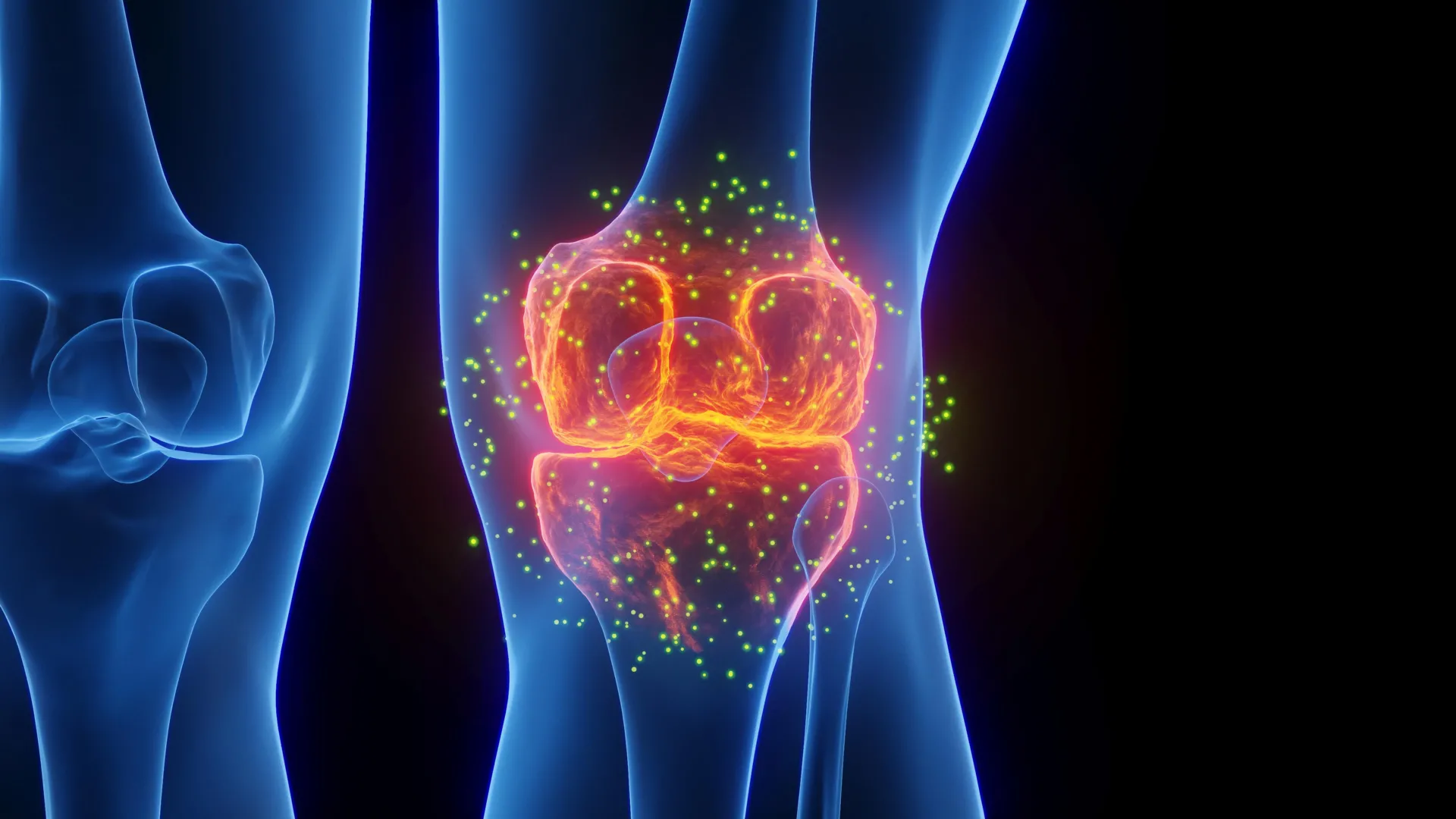
New research indicates that it is not just how much we eat, but what we eat that dictates the internal quality of our muscles. Specifically, a diet high in ultra-processed foods (UPFs) has been linked to an increase in fat deposits within thigh muscles, a condition that could significantly escalate the risk of developing knee osteoarthritis—a debilitating and costly condition affecting millions worldwide.
The Hidden Toll of Modern Convenience
Ultra-processed foods have become the cornerstone of the modern Western diet. Engineered for shelf stability, convenience, and hyper-palatability, these products are ubiquitous. From mass-produced breads and sugary breakfast cereals to frozen pizzas, energy drinks, and packaged snacks, these items are designed to trigger the brain’s reward systems, often making them difficult to consume in moderation.
Unlike minimally processed foods, UPFs typically undergo significant industrial modification. They are often stripped of natural nutrients and reconstituted with synthetic ingredients, artificial flavorings, colors, and excessive amounts of sugar, salt, and unhealthy fats.
Dr. Zehra Akkaya, a lead researcher and consultant for the Clinical & Translational Musculoskeletal Imaging group at the University of California, San Francisco (UCSF), notes that the rise in UPF consumption mirrors the global surge in obesity and osteoarthritis. "The use of natural ingredients in our diets has steadily diminished," Dr. Akkaya explains, "replaced by industrially processed, chemically altered food and beverages. This shift is not merely a change in taste; it is a fundamental alteration in the biological building blocks we provide our bodies."
Study Methodology: A Focus on Osteoarthritis Risk
To understand the physiological impact of these dietary habits, researchers turned to data from the Osteoarthritis Initiative (OAI), a prestigious, nationwide research program sponsored by the National Institutes of Health (NIH). The goal of the OAI is to demystify the development, prevention, and treatment of knee osteoarthritis.
The study analyzed 615 participants, aged 60 on average, who were identified as being at risk for knee osteoarthritis but did not yet show clinical signs of the condition on imaging. The cohort was evenly split, comprising 275 men and 340 women with an average BMI of 27, placing the group in the "overweight" category.
Researchers utilized dietary questionnaires covering the previous 12 months to categorize intake. On average, nearly 41% of the participants’ caloric intake consisted of ultra-processed foods. By cross-referencing this dietary data with high-resolution, non-enhanced MRI scans of the participants’ thighs, the team sought to identify a correlation between food quality and muscle composition.
Key Findings: Fatty Degeneration of Muscle Tissue
The results were stark. The researchers discovered a clear, linear association between the consumption of ultra-processed foods and the accumulation of intramuscular fat.
In healthy individuals, thigh muscle should consist primarily of dense, uniform muscle fibers. However, in those with higher intakes of UPFs, MRI scans revealed "fatty degeneration." This is characterized by visible streaks of fat infiltrating the muscle tissue, effectively replacing healthy muscle fibers.
Crucially, this association remained statistically significant even after the researchers accounted for potential confounding factors, including:
- Total caloric intake.
- Total fat intake.
- Physical activity levels.
- Sociodemographic variables.
This finding is a significant departure from conventional wisdom. It suggests that two people consuming the same number of calories can have vastly different muscle compositions based solely on the source of those calories. If one person consumes whole foods while the other relies on ultra-processed products, the latter is at a higher risk of developing internal fat deposits that impair muscle function.
Why Muscle Quality Matters for Knee Health
The connection between thigh muscle health and the knee joint is foundational to orthopedics. The quadriceps and other thigh muscles act as the primary shock absorbers for the knee. When these muscles are healthy and strong, they stabilize the joint, reducing the mechanical stress placed on the cartilage during daily movements like walking, climbing stairs, or rising from a chair.
When those muscles are compromised by fatty infiltration, their ability to contract effectively and provide structural support is diminished. This leads to increased load-bearing on the knee joint, which accelerates the wear and tear of cartilage—the hallmark of osteoarthritis.
"Osteoarthritis is an increasingly prevalent and costly global health issue," Dr. Akkaya states. "It constitutes one of the largest non-cancer-related health care costs in the United States and globally. Understanding that diet quality—beyond just weight loss—directly impacts the integrity of the muscle supporting our joints, provides a new target for preventative medicine."
Clinical Implications: A Paradigm Shift in Treatment
The implications of this study are far-reaching for both clinicians and patients. Currently, the frontline treatment for osteoarthritis involves weight loss, often achieved through caloric restriction and increased physical activity.
However, Dr. Akkaya’s team argues that these recommendations are incomplete. "Addressing obesity remains a primary objective," she says, "but our findings emphasize that dietary quality warrants much greater attention. Weight loss regimens should take into account the composition of the diet, not just the calorie count."
Accessibility of the Diagnostic Approach
One of the most practical aspects of this study is the method used for diagnosis. The researchers utilized widely available, non-enhanced MRI scans to detect intramuscular fat. Unlike advanced, specialized imaging techniques that are often prohibitively expensive or rare, these standard MRIs can be easily integrated into routine clinical diagnostics.
This means that medical providers could potentially identify early warning signs of muscle degeneration in at-risk patients long before joint pain becomes chronic or debilitating.
Limitations and Future Research
While the study provides a compelling link between nutrition and body composition, the authors acknowledge certain limitations. As an observational study, it demonstrates an association rather than direct causation. While the data suggests that UPFs drive fat storage in muscle, further clinical trials are necessary to determine if reversing the diet—transitioning from ultra-processed to whole foods—can reverse or halt the fatty degeneration of muscle tissue.
Furthermore, the study focused on a specific cohort at risk for knee osteoarthritis. Future research will need to expand these findings to broader demographics, including younger adults and diverse populations, to determine if the negative impact of UPFs on muscle quality is universal.
Conclusion: Rethinking the Modern Plate
The research published in Radiology serves as a sobering reminder that our bodies are not just biological machines processing fuel; they are dynamic systems that respond to the chemical complexity of the food we consume.
By identifying that ultra-processed foods may trigger a "fatty takeover" of our muscles, this study offers a compelling argument for a shift in nutritional policy and personal habit. Cutting back on ultra-processed, chemically altered foods is not merely a strategy for weight management—it is a critical investment in the long-term structural integrity of our muscles and the preservation of our joint health.
As we continue to navigate a food environment saturated with convenience, the evidence suggests that the most effective path to preventing chronic conditions like knee osteoarthritis may begin in the grocery aisle, not just the gym. For those looking to protect their mobility into their later years, the message is clear: quality matters as much as quantity. Reducing reliance on ultra-processed items could be the key to keeping our muscles, and our joints, functioning as they were meant to.