Published August 31, 2026
In an era defined by rapid technological shifts, environmental uncertainty, and global volatility, the human pursuit of certainty has become an increasingly futile endeavor. Many individuals anchor their mental well-being to the expectation that life will unfold according to a predetermined blueprint. However, a burgeoning movement in the wellness community is shifting the narrative, suggesting that true resilience is not found in the illusion of control, but in the practice of “hopefulness”—a state of being that remains open to the unknown.
For many, yoga has transcended the physical realm of exercise to become a philosophical framework for navigating the future. By integrating ancient tenets of the Yoga Sutras with modern, accessible movement practices, practitioners are learning to replace the demand for specific outcomes with a grounded curiosity about what is possible.
The Philosophy of Non-Attachment: Abhyasa and Vairagya
The core of this evolving mindset lies in the dual concepts of abhyasa (consistent practice) and vairagya (non-attachment), as articulated in the Yoga Sutras of Patanjali.
Abhyasa represents the commitment to showing up—to participating in one’s life despite the lack of guarantees regarding the future. Vairagya, conversely, acts as the necessary counterweight: the process of loosening one’s grip on specific outcomes. When combined, these concepts create a profound space for growth. This is not passive resignation; rather, it is an active engagement with the present moment. By acknowledging fear, grief, and uncertainty, individuals can cultivate a space where life has the capacity to surprise them, rather than merely disappoint them.
The Practice of Optimism: A Chronology of Movement
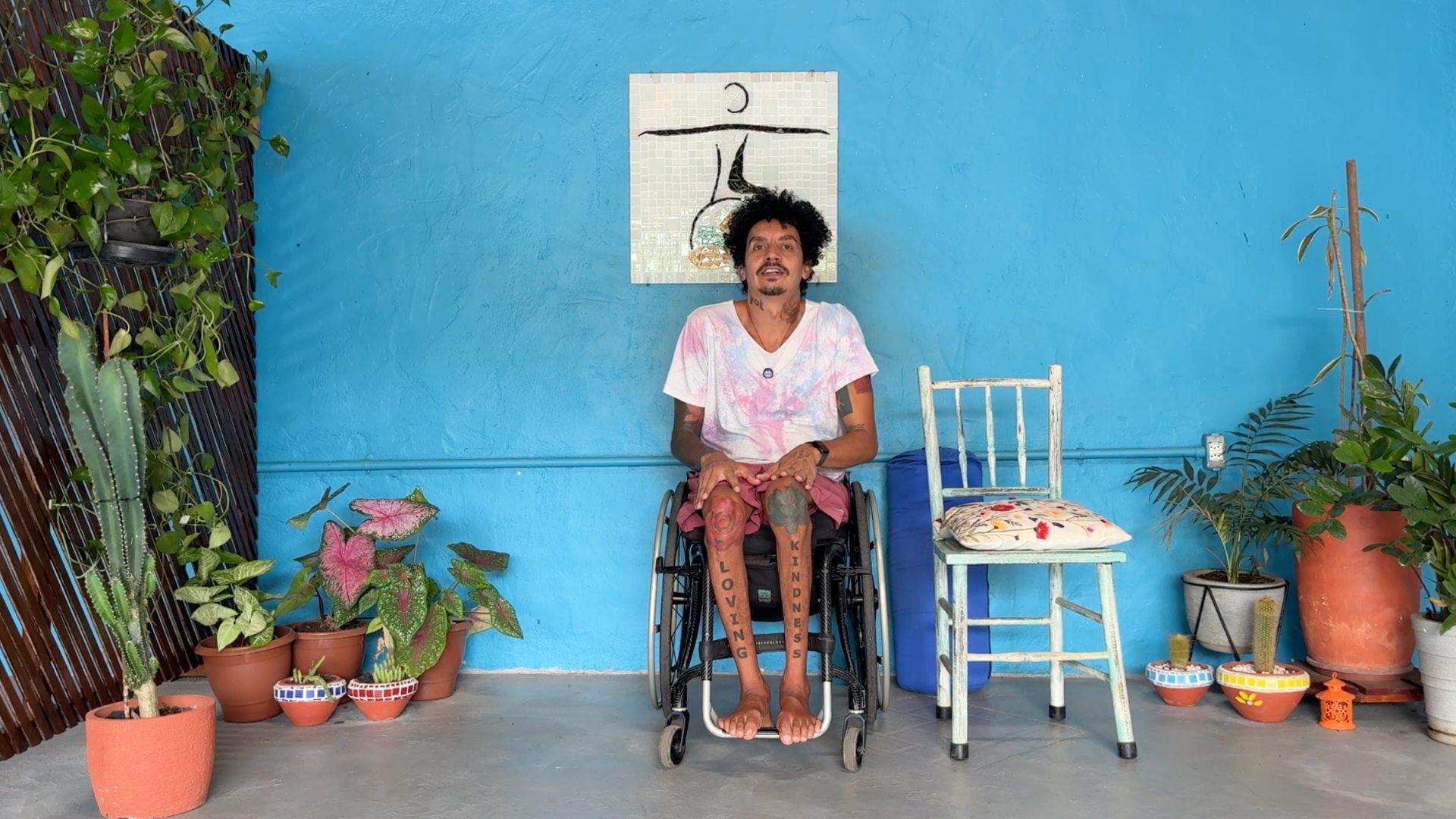
To bridge the gap between abstract philosophy and physical reality, practitioners are increasingly turning to chair-based yoga. This modality serves as a metaphor for life itself: we do not need to alter our bodies to fit the practice; we adapt the practice to meet the version of ourselves that exists in the moment.
Centering and Intentionality
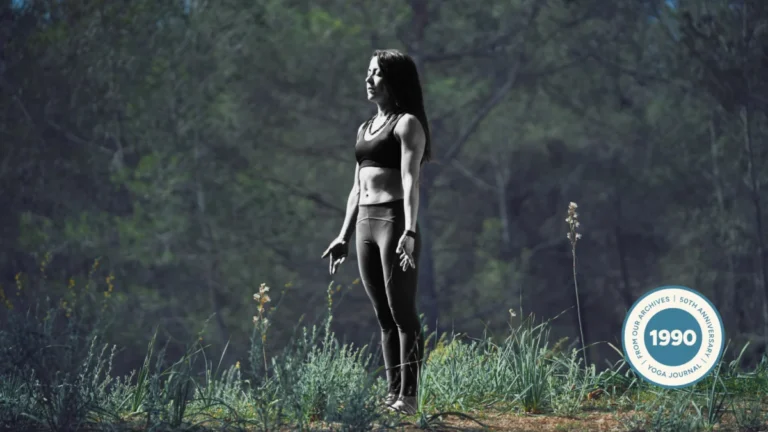
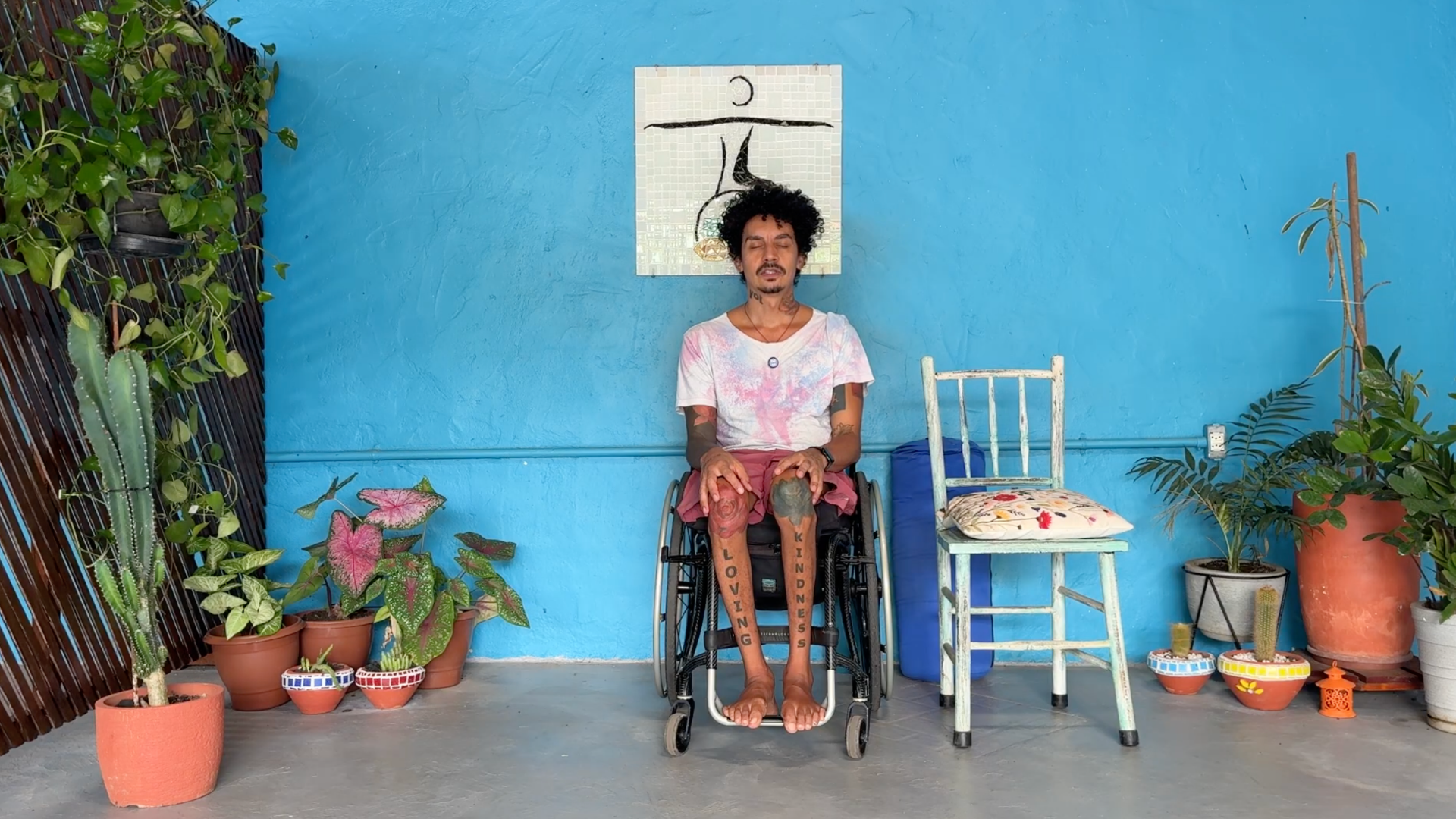
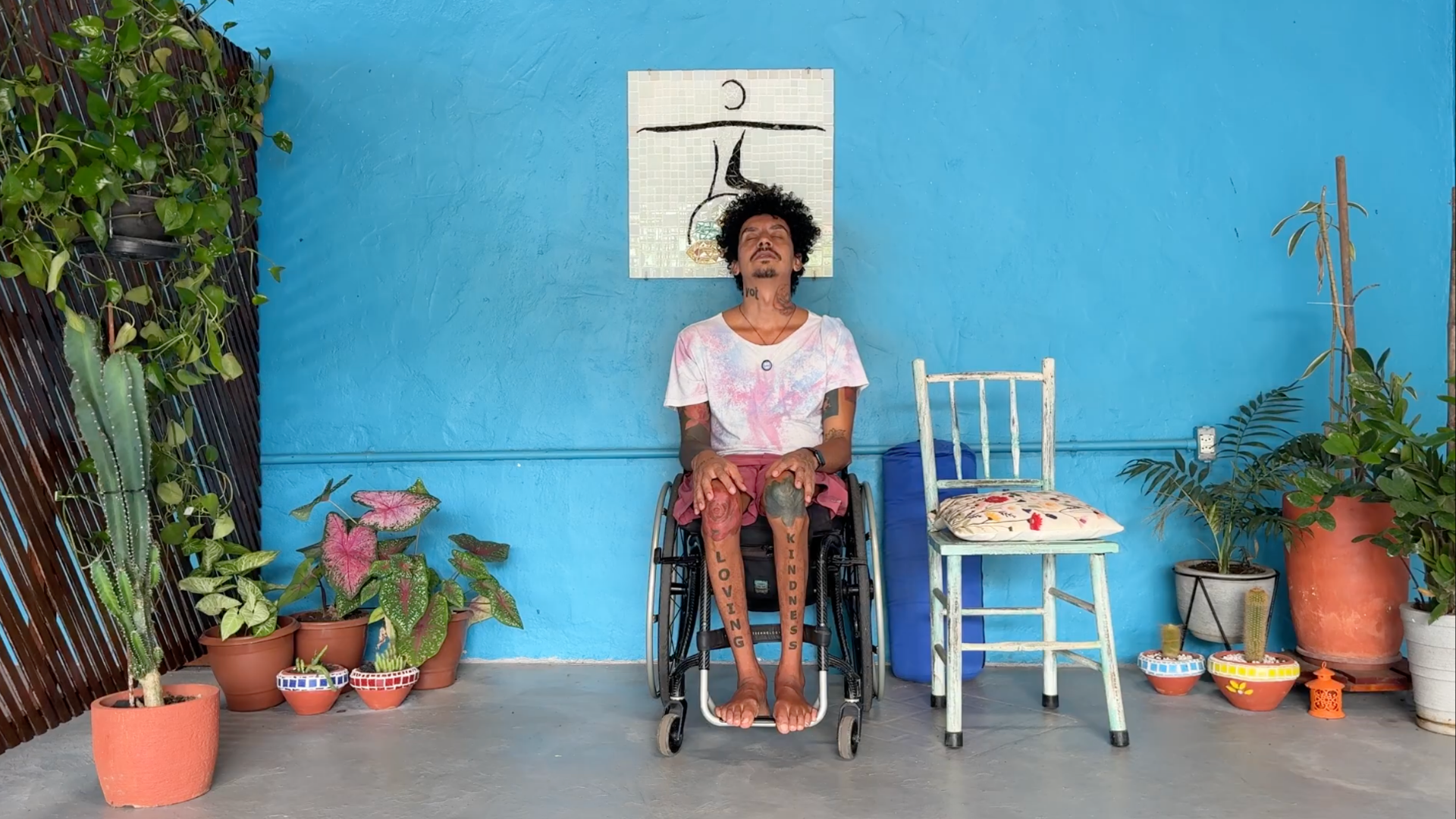
The practice begins with Tadasana (Mountain Pose). Practitioners are encouraged to sit with a raised sternum and softened shoulders, consciously slowing the breath. This initial phase is not merely about physical alignment; it is a cognitive exercise. By recalling moments of past hope and visualizing a "warming, glowing light," the individual creates a psychological anchor, reinforcing the idea that peace is an internal state accessible regardless of external circumstances.
Mindful Neck and Shoulder Mechanics
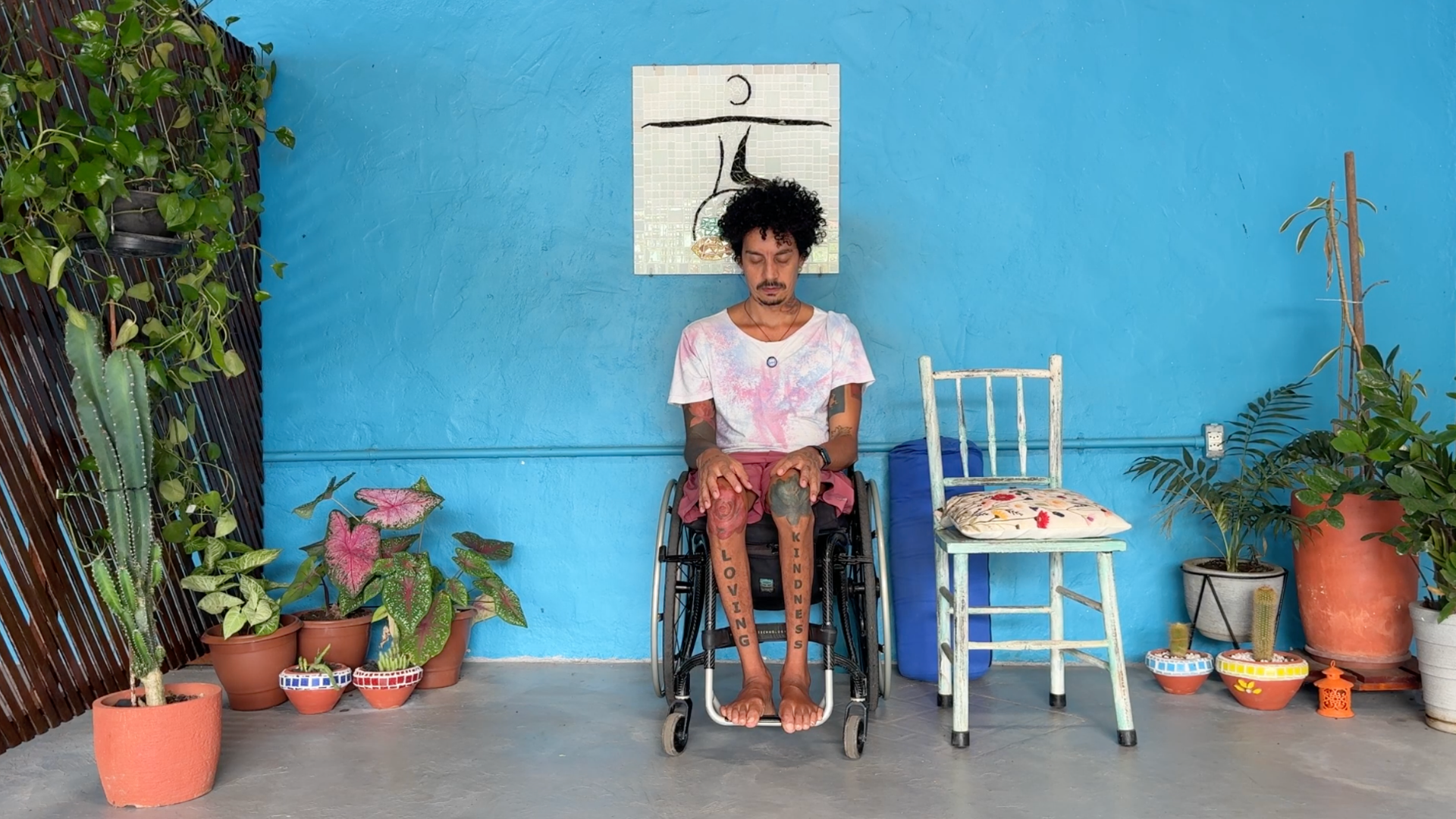
The sequence progresses into subtle neck and shoulder rotations. By synchronizing the inhale with upward gazes and the exhale with forward folds, the practitioner practices the art of conscious transition. These movements, while physically modest, are significant in their intent: they mirror the way we might navigate the future—with measured, deliberate awareness rather than reactive force.
Accessibility and Adaptation
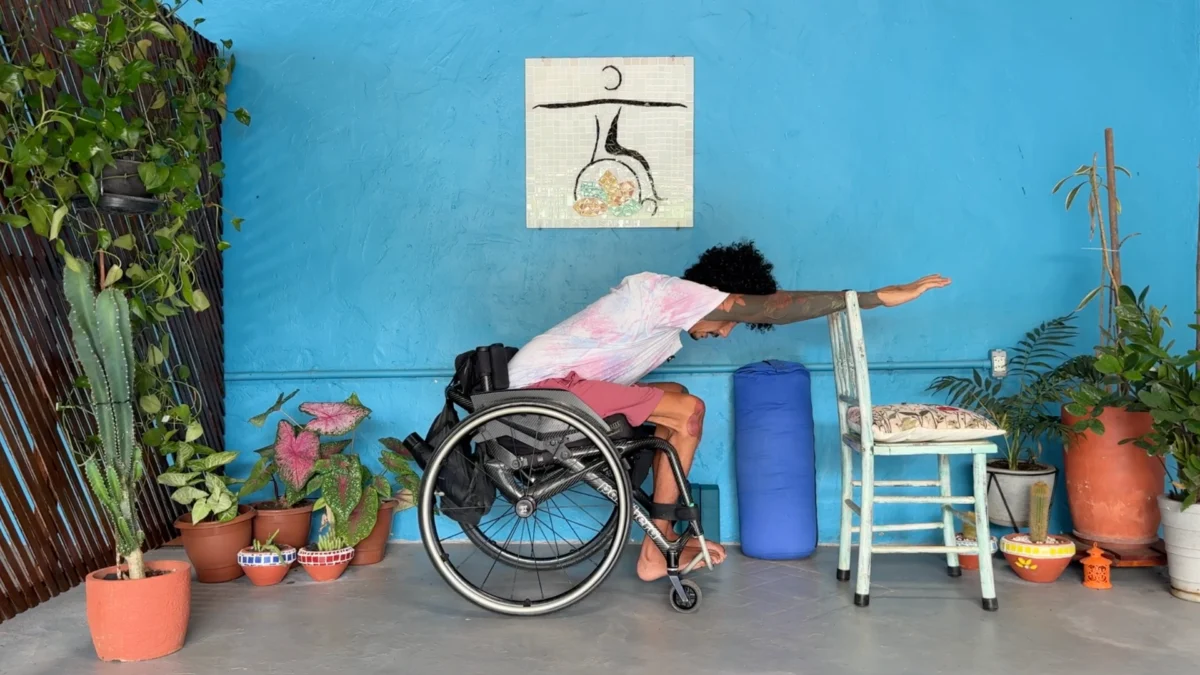
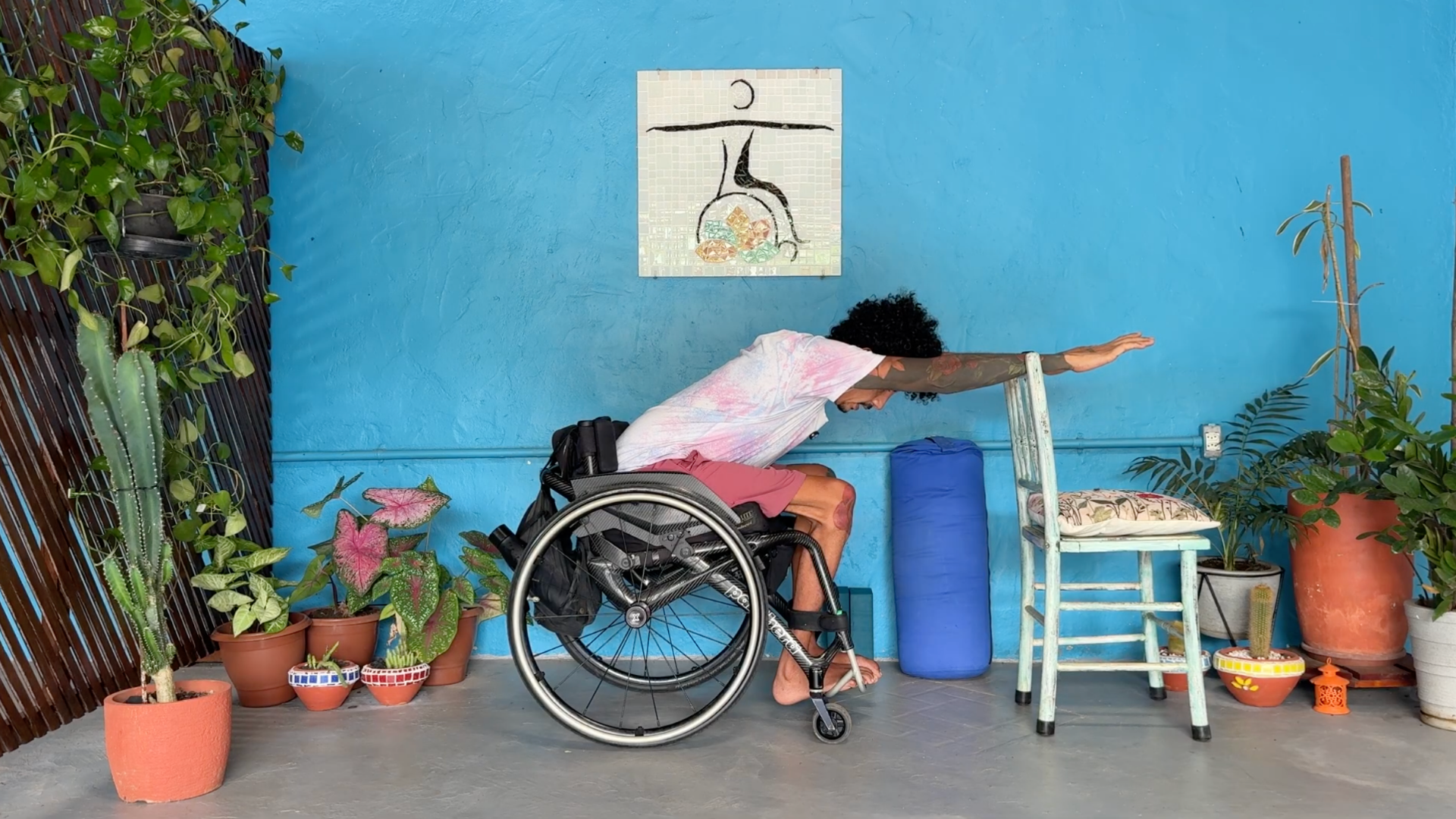
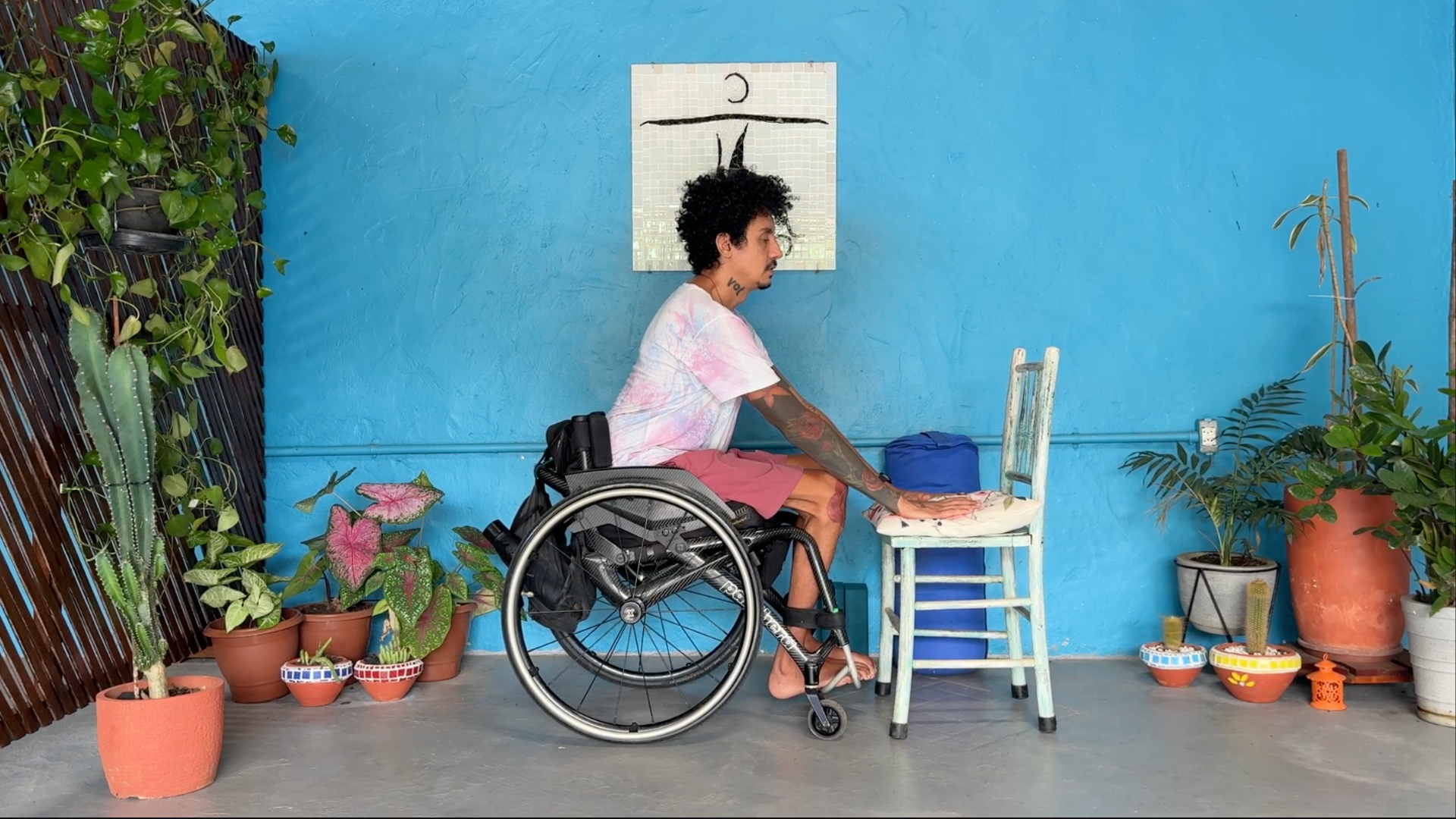
The integration of props—such as blocks, bolsters, and extra chairs—is not an admission of limitation but an empowerment of the individual. In the context of the 20-minute "Optimism Sequence," the use of a second chair to facilitate Adho Mukha Svanasana (Downward-Facing Dog) allows those with limited mobility or wheelchair users to engage in profound heart-opening stretches. This approach emphasizes ahimsa (non-violence), reminding practitioners that forcing the body into a "perfect" shape is contrary to the spirit of the practice.
Supporting Data and Therapeutic Implications
The psychological benefits of such practices are supported by a growing body of research into the "embodied cognition" of yoga. Studies suggest that when individuals engage in rhythmic, mindful movement, the parasympathetic nervous system is activated, effectively lowering cortisol levels and mitigating the "fight or flight" response often triggered by uncertainty.
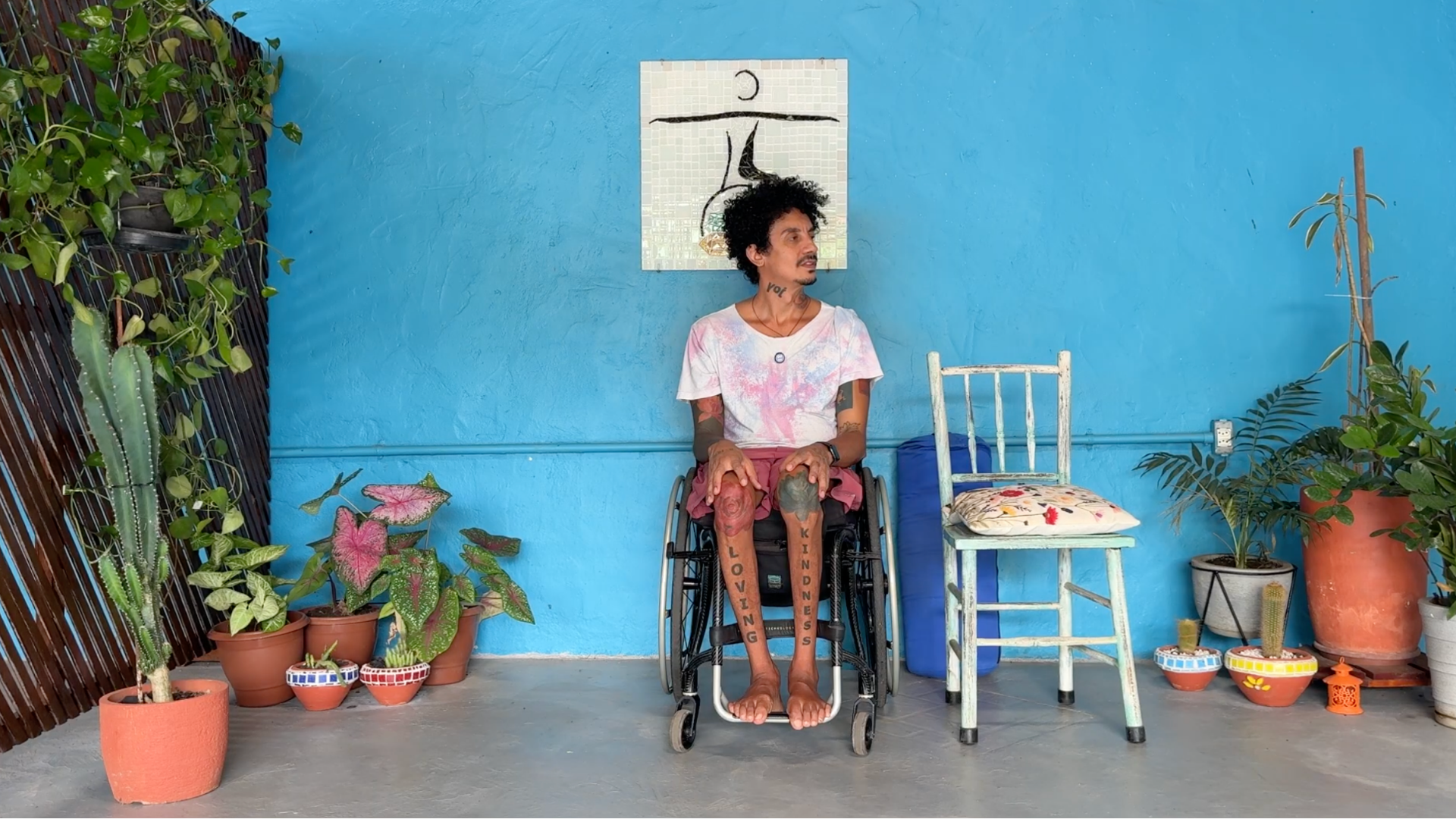
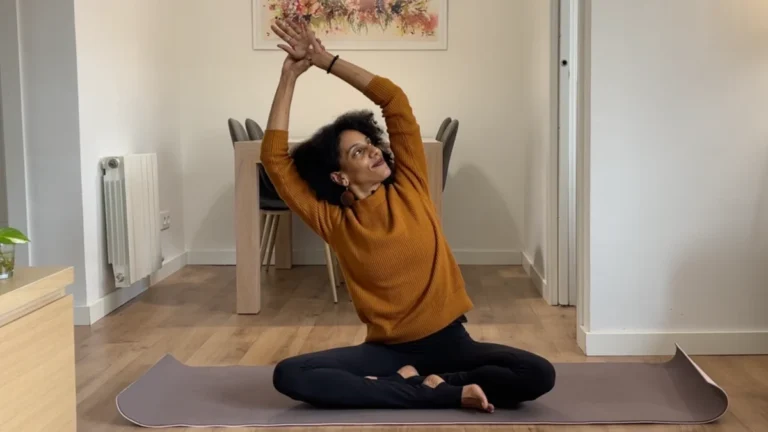
For practitioners like Rodrigo Souza, who advocates for wheelchair-accessible yoga, the practice is a vital tool for those whose bodies are frequently "flexed" or restricted by medical necessity. By performing variations of Janu Sirsasana (Head to Knee Pose) or seated twists, the practitioner forces the body to experience length and release. These physical releases often correlate with psychological breakthroughs, as the act of stretching into a "difficult" posture mirrors the act of leaning into a difficult life transition.
Official Responses and Philosophical Perspectives
Mental health professionals and yoga scholars have begun to echo the sentiments of this movement, noting that the modern obsession with "fixing" the future is a primary driver of anxiety.
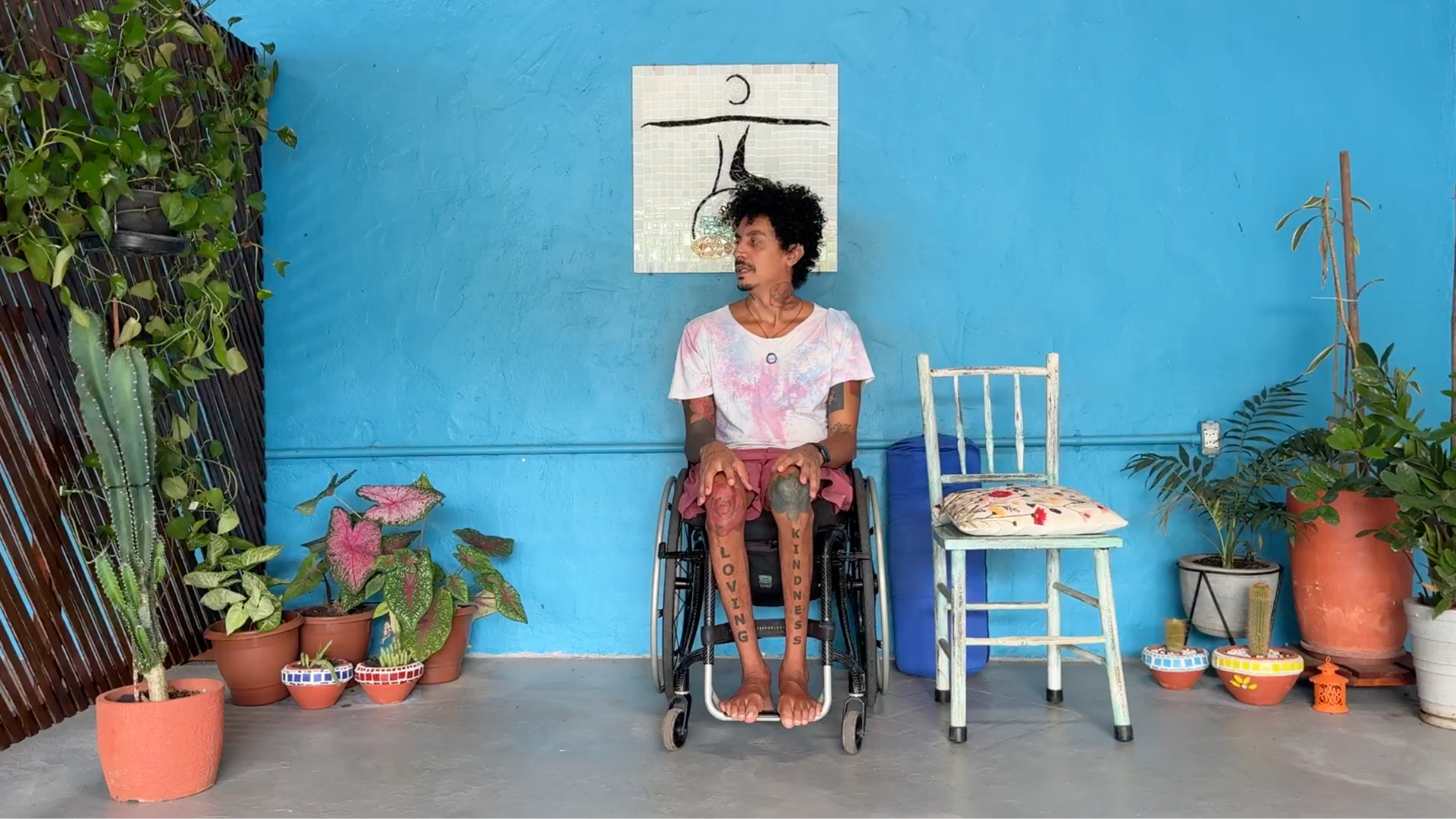
"The goal of the modern yoga practitioner is no longer to achieve a perfect pose," says Dr. Aris Thorne, a researcher in contemplative studies. "It is to cultivate an awareness that allows one to remain steady in the eye of the storm. Whether one is in a wheelchair or on a mat, the lesson remains: meeting today with enough courage and compassion provides a foundation upon which tomorrow can be built."
The consensus among advocates is that hope is not a feeling, but a practice. It is the willingness to keep showing up for the life that is here, while simultaneously leaving the door open for the life that is still coming.
Implications for the Future: Embracing the Unknown
The implications of this philosophy extend far beyond the studio. If we can apply the principles of vairagya to our personal lives, our careers, and our global challenges, we may find that our capacity for resilience increases exponentially.
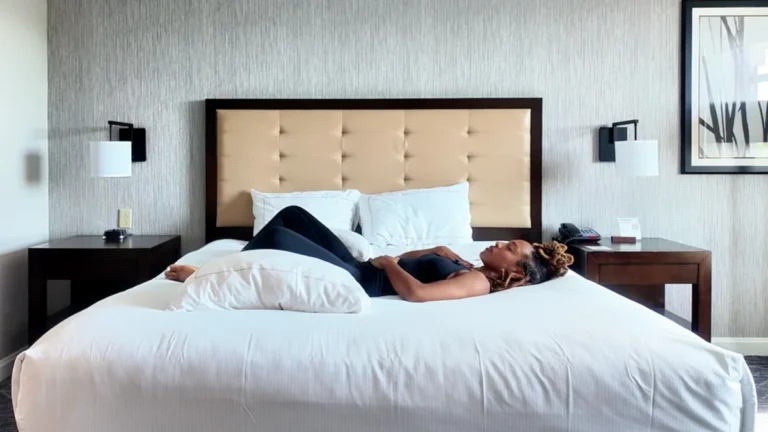
The "Supported Child’s Pose" (Balasana)—where the head rests on a bolster, signaling a full release of weight and tension—serves as a poignant conclusion to this practice. It is an invitation to let go of the need to know how the story ends. As long as there is breath, there is change. As long as there is change, the story is not finished.
A Summary of the 20-Minute Optimism Routine:
- Centering: Mountain Pose, focusing on past instances of hope and visual light.
- Neck and Shoulder Rotations: Synchronizing breath with gentle horizontal and vertical movement.
- Modified Downward-Facing Dog: Utilizing a secondary chair to create spinal elongation.
- Seated Forward Bends and Twists: Incorporating props to safely explore range of motion from the hips.
- Seated Camel Pose: A gentle heart-opening backbend to counteract daily tension.
- Restorative Savasana: Using a bolster to support a final, deep release, encouraging the mind to accept the unknown.
By shifting our focus from the outcome to the process, we reclaim our agency. The world may remain unpredictable, but the individual, through the deliberate practice of hopefulness, can remain steady. This is the ultimate lesson of the mat: we do not need to know what lies ahead to move toward it with grace, courage, and an open heart.