










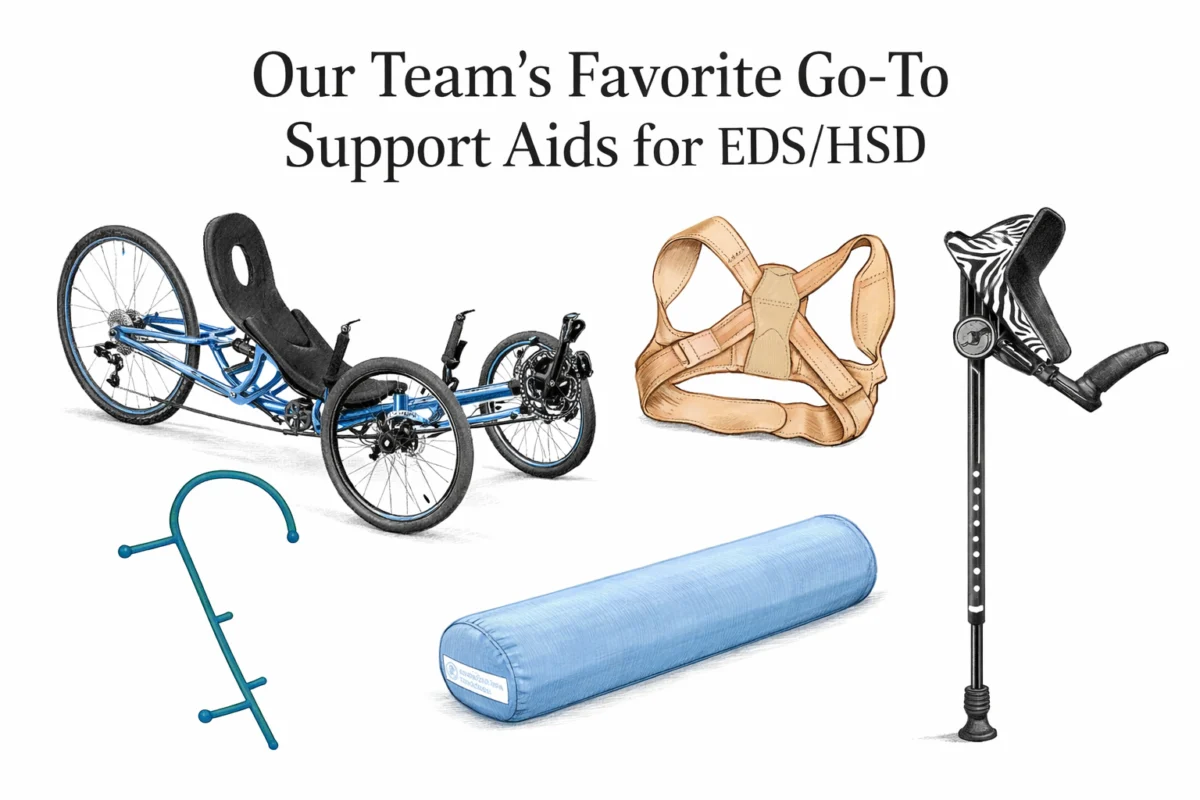
Living with Ehlers-Danlos syndromes (EDS) or hypermobility spectrum disorders (HSD) presents a unique set of challenges that extend far beyond the clinical setting. From the chronic, systemic pain associated with connective tissue laxity to the exhausting cycle of subluxations and autonomic dysfunction, those in the community are often tasked with becoming experts in their own physical management.
This month, we took an intimate look at the daily lives of the Chronic Pain Partners team. We asked our staff—each of whom navigates their own journey with EDS or HSD—to pull back the curtain on the supportive aids and lifestyle strategies that keep them functioning, working, and thriving. While these selections are rooted in personal experience rather than medical prescription, they offer a window into the innovative, often non-traditional ways patients are adapting their environments to reclaim their autonomy.
The Intersection of Mobility and Independence
For many within the EDS community, the traditional definition of "exercise" or "mobility" is insufficient. Because connective tissue instability affects the entire musculoskeletal system, movement must be approached with a strategy of pacing, safety, and joint protection.
Recumbent Biking: A Solution for Stability and Dysautonomia
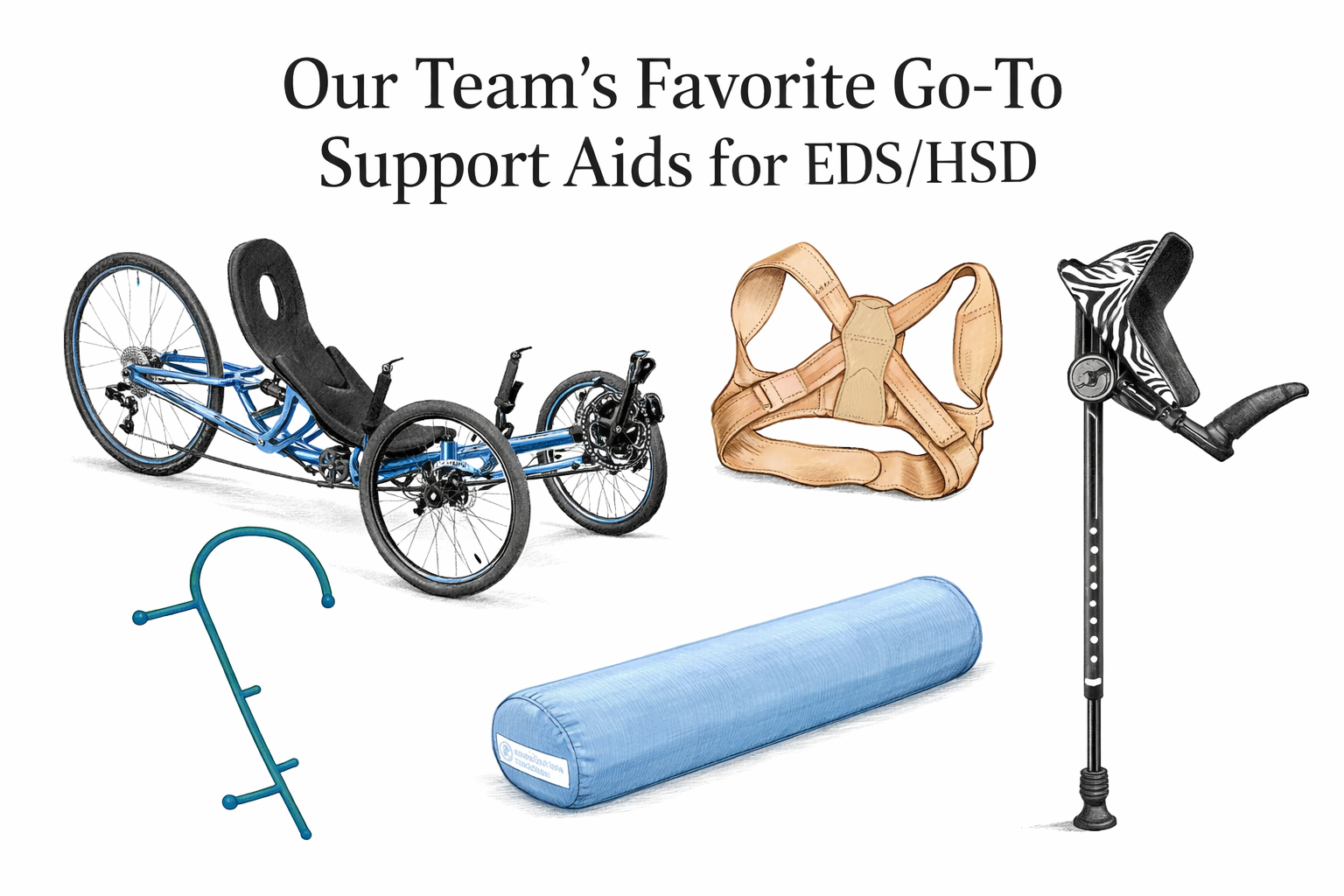
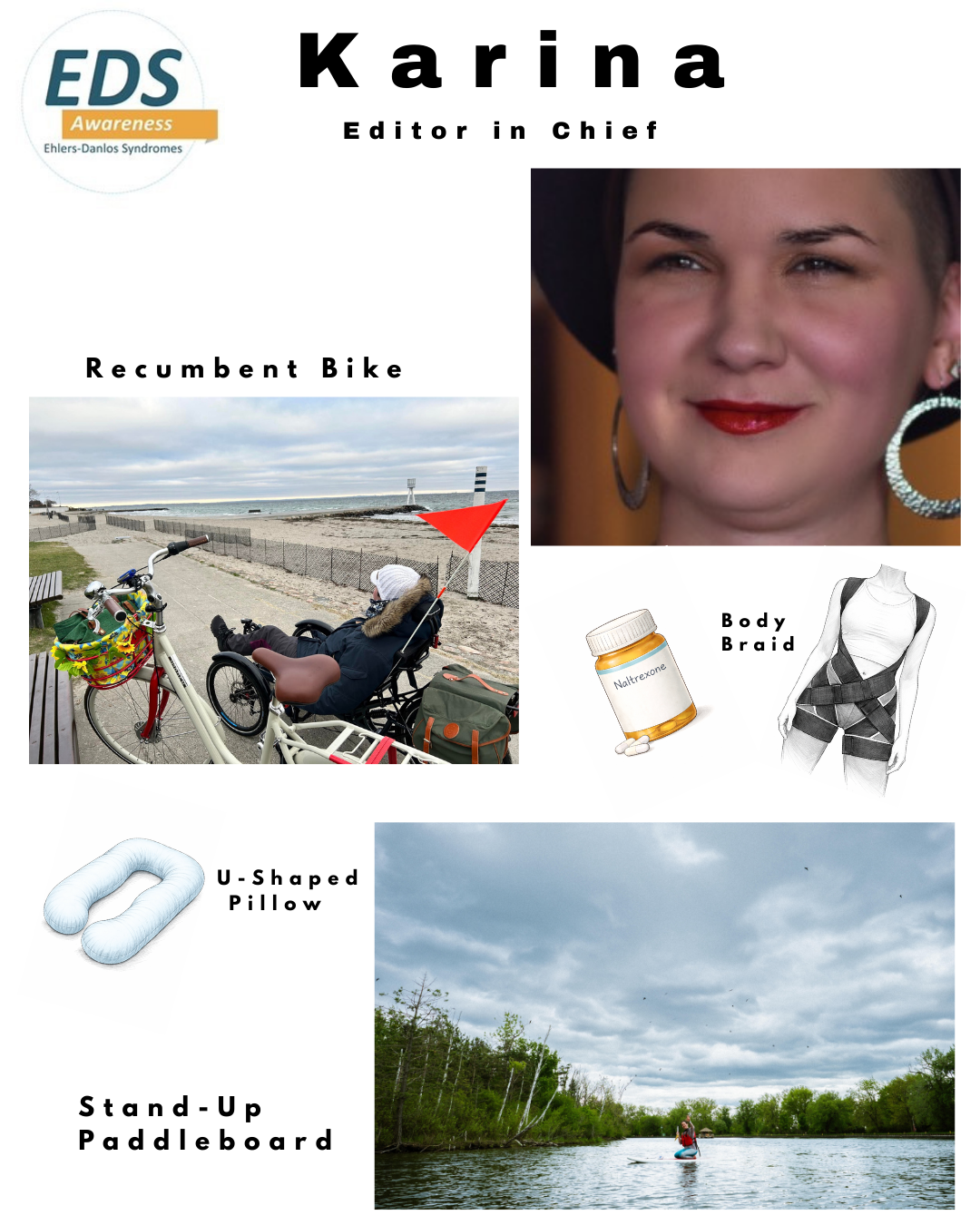
For Karina, our Editor-in-Chief, the HP Velotech Scorpion trike—which she affectionately calls the "Scorpion Queen"—has been a life-altering investment. Unlike a standard bicycle, the recumbent, three-wheeled design eliminates the need for constant balance, which is often compromised in EDS patients.
- The Clinical Perspective: The seated, reclined posture is particularly beneficial for those with dysautonomia (such as POTS), as it allows for cardiovascular exertion without the orthostatic stress of an upright position.
- The Impact: By removing the fear of falling and minimizing joint strain, the recumbent trike restores the ability to travel independently, providing a critical boost to mental and physical well-being.
Stand-up Paddleboarding (SUP): Core Strength Through Adaptation
While it may seem counterintuitive for someone with joint instability to engage in a sport that requires balance, paddleboarding is highly adaptable. By using a removable kayak seat or adjusting stroke techniques, individuals can engage their core muscles without subjecting their weight-bearing joints to the high-impact stress of running or traditional weightlifting. For our team, the added benefit of being immersed in nature has proven to be a significant stabilizer for mental health.
The Science of Proprioception and External Support
A hallmark of EDS is the impaired ability to sense the body’s position in space, known as proprioception. When the brain lacks accurate feedback from the joints, muscles are forced to compensate, leading to chronic guarding, fatigue, and subluxations.
The Body Braid and Kinesiology Tape
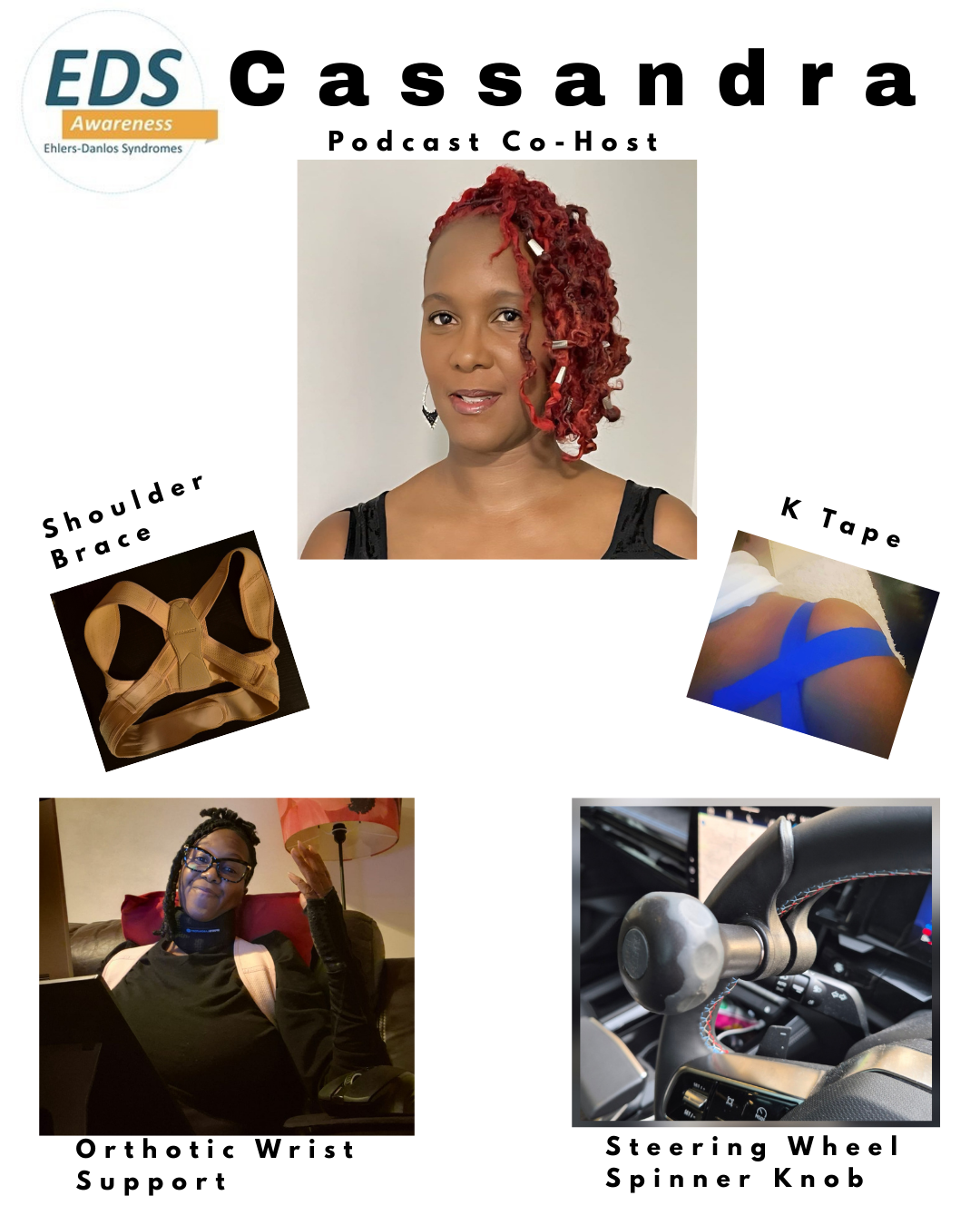
The Body Braid is designed to provide whole-body feedback, acting as a "second skin" that gently reminds the wearer of their posture. While it can be cumbersome to put on, its utility in providing proprioceptive input is invaluable for those who suffer from generalized instability. Similarly, Kinesiology (K) tape is a go-to for Cassandra, our podcast co-host. When applied correctly—often with the help of instructional tutorials—it offers targeted stabilization for joints that have recently subluxated, allowing for continued movement without excessive bulk.
Orthotic Braces: A Measured Approach
Braces are a double-edged sword. While they offer immediate relief for repetitive tasks—such as using wrist orthotics for typing or shoulder braces for postural support—the team emphasizes that these tools should not replace muscle activation. As the Ehlers-Danlos Society notes, external supports should be used in tandem with physical therapy to ensure that supporting muscles remain active. The goal is to use the brace as a temporary crutch to facilitate function, not as a permanent replacement for muscular strength.
Sleep Architecture and Nocturnal Management
For the chronic pain patient, sleep is often elusive. Nocturnal subluxations, discomfort, and breathing or circulation issues can turn the bed into a source of stress rather than restoration.
The U-Shaped Pillow and Bed Risers
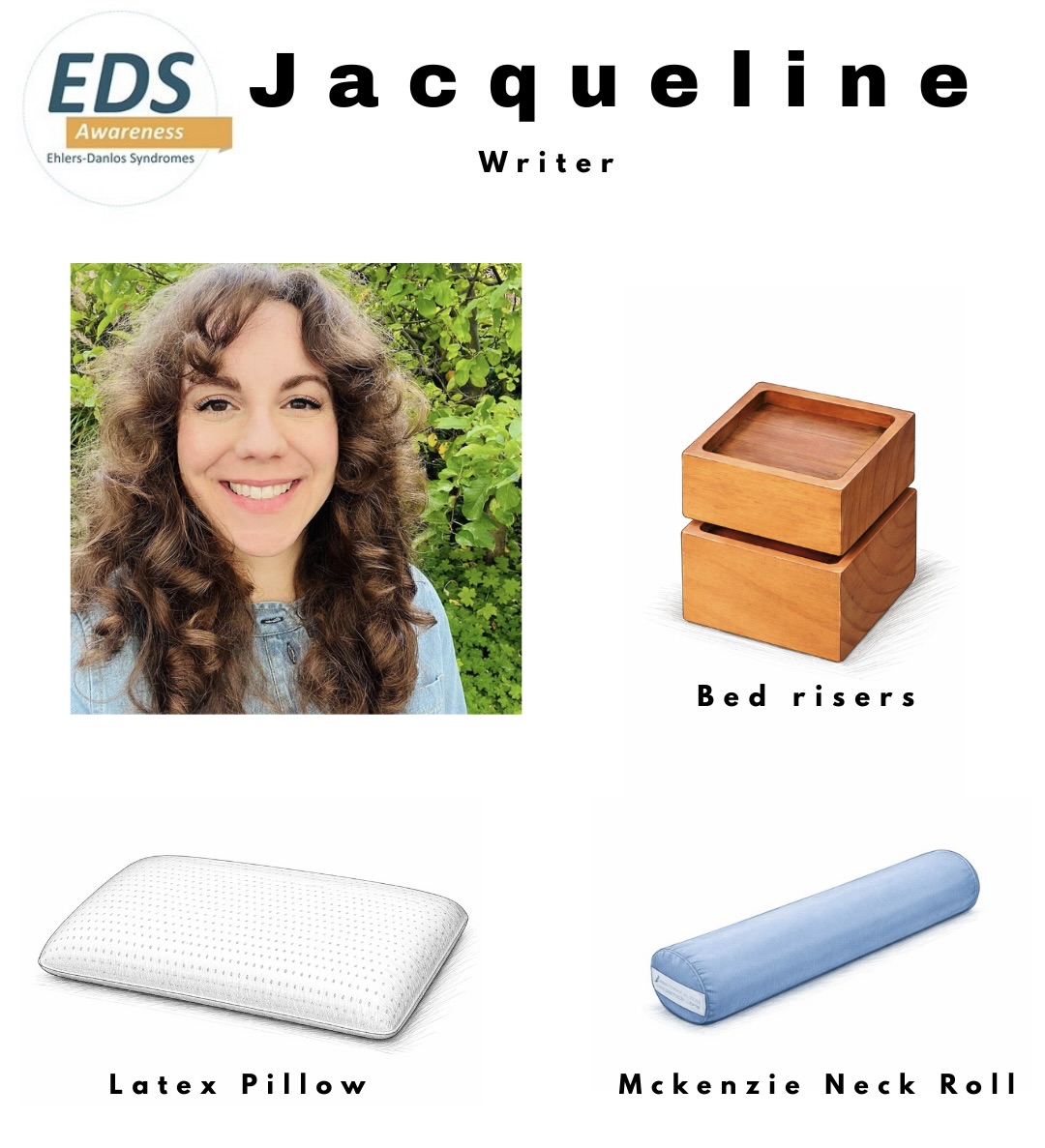
The U-shaped pregnancy pillow has become a staple for our team. By providing continuous, wrap-around support, it keeps the spine and peripheral joints in a neutral position, drastically reducing the likelihood of waking up with an out-of-place shoulder or hip.
Beyond the pillow, there is the issue of cerebral venous outflow. As Jacqueline, our author, explains, there is a growing body of research linking connective tissue disorders to impaired venous drainage from the brain. For patients who feel "pressure" in their heads when lying flat, elevating the head of the bed using bed risers can make a profound difference. This simple, low-cost intervention can mitigate the feeling of intense intracranial pressure, allowing for more restorative rest.
Natural Latex: A Sensitivity-Conscious Choice
Many EDS patients also live with Mast Cell Activation Syndrome (MCAS), which can lead to severe chemical sensitivities. Standard synthetic memory foam pillows can off-gas chemicals that trigger reactions. Natural latex pillows offer consistent support that doesn’t collapse under the weight of the head, ensuring the neck stays aligned throughout the night without the "chemical fog" associated with synthetic materials.
The Role of Pharmacological and Holistic Management
While lifestyle aids are crucial, they are often paired with medical interventions that target the underlying biology of chronic pain.
Low-Dose Naltrexone (LDN)
LDN has gained significant traction in the EDS community as an off-label tool for managing chronic pain. Unlike high-dose opioids, LDN is used at a fraction of the dosage to modulate the immune system and reduce inflammation. For those on our team, it has been described as a way to lower the "baseline" of pain. While it does not eliminate acute pain, it removes the constant, overwhelming noise of systemic discomfort, allowing patients to regain a semblance of normal daily functioning.
Targeted Self-Massage and Thermotherapy
When muscle guarding becomes chronic, the pain can become self-perpetuating. The Thera Cane is a favorite among our team for reaching the deep, stubborn trigger points in the upper back and spine that are otherwise impossible to access. When combined with the soothing properties of Epsom salt baths—which help relax tight muscles—and heated shoulder wraps, these tools allow for "on-the-fly" pain management during long workdays or travel.
Implications for the Future of EDS Care
The stories shared by our team highlight a shift in how chronic pain is managed. We are moving away from a passive medical model and toward a proactive, patient-led approach. By experimenting with tools like the SmartCRUTCH (which spreads pressure across a larger surface area to protect delicate wrist joints) or utilizing cooling pads to combat the dysautonomia-driven heat spikes, our team is demonstrating that quality of life is found in the details.
A Note on Professional Guidance
It is critical to reiterate that these tools are not a universal prescription. What works for one person with HSD may be ineffective or even contraindicated for another. The presence of comorbid conditions—such as skin fragility, which makes aggressive taping risky, or latex allergies, which rule out certain pillows—must always be considered.
Summary of Best Practices:
- Consultation: Always discuss new orthotics or mobility aids with a physical therapist or physician who understands the nuances of connective tissue disorders.
- Pacing: Use tools to conserve energy, not to push past physical limits.
- Holistic Integration: Combine external aids with consistent, low-impact exercise to maintain muscle tone.
- Listen to Your Body: If a tool causes secondary pain or discomfort, discontinue use and reassess.
As we continue to navigate the complexities of life with EDS and HSD, we hope these insights serve as a starting point for your own journey of adaptation. You are the lead researcher in your own life; by testing, observing, and refining your toolkit, you can find the strategies that allow you to live—and move—more comfortably.
Disclaimer: The supportive aids featured in this article are tools that members of our team have found helpful in their own lives. Their inclusion is based on personal experience and should not be considered a formal endorsement of any specific product nor be taken as medical advice. Always consult with a healthcare professional before introducing new aids into your routine.