Long before the era of social media fitness influencers, meticulously calibrated cold plunges, and wearable tech designed to track every heartbeat, a specific breed of American man was already mastering the art of physical endurance. For generations, the backbone of rural America has been forged not in climate-controlled gymnasiums, but in the unforgiving crucible of the farm. The requirements were—and remain—simple yet punishing: sunrise-to-sundown labor, the heavy lifting of livestock management, and an unwavering commitment to the land.
This grit, once reserved for the quiet corners of the heartland, has recently found a spotlight on the national stage through Season 4 of the hit Fox reality series Farmer Wants a Wife. While viewers may tune in for the high-stakes romance and the interpersonal drama inherent in reality television, the men behind the plow are bringing a different narrative to the screen: one that emphasizes functional strength, mental resilience, and a return to the fundamentals of health.
The Reality Behind the Romance
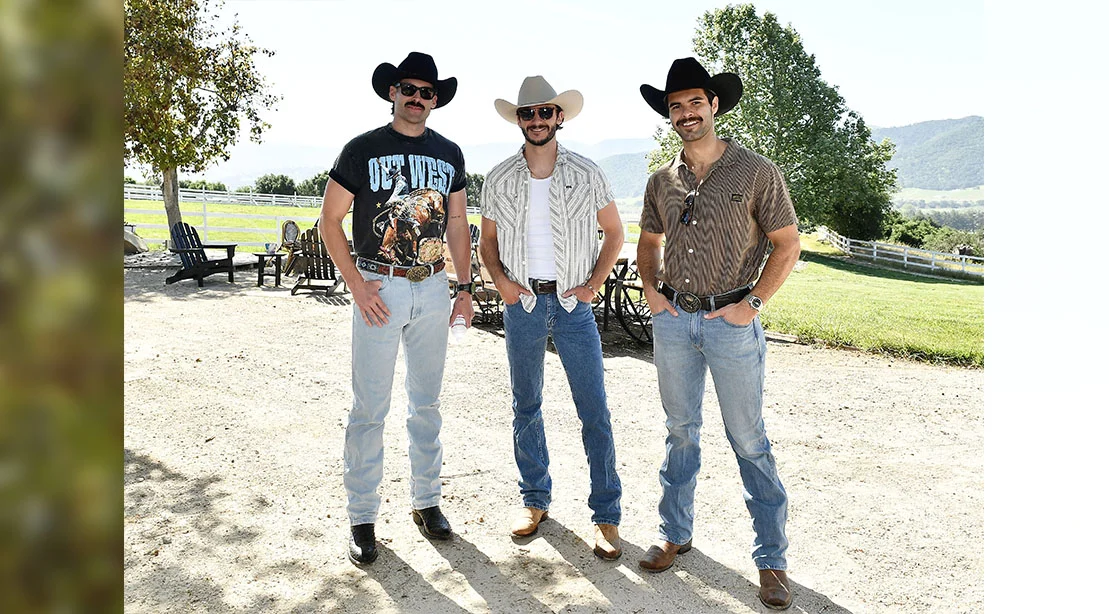
Farmer Wants a Wife follows a group of dedicated agriculturalists as they navigate the search for long-term partners. The premise is romantic, but the production schedule is grueling. Farmers Braden Pridemore, Brett Maverick, and Sean Cavanaugh—stars of the latest season—recently sat down with Muscle & Fitness to pull back the curtain on what it truly takes to balance the high-octane demands of reality TV production with the physical and mental rigors of managing a working farm.
The challenges are twofold. On one hand, the men face the "mental load" of reality dating—the emotional volatility of national television, constant camera presence, and the pressure to articulate their feelings. On the other, they are managing their livelihoods back home. "It wasn’t just about looking good for the cameras," explains Pridemore. "It was about proving that you could handle the pressure of the show without letting your physical and mental health fall apart."
The OG’s of Functional Fitness: The Science of the Farm
In an industry currently dominated by expensive boutique workout programs and flashy, overpriced supplements, the cast of Farmer Wants a Wife argues that the most effective gym on earth is the one you’re born into.
The Mechanics of Rural Labor
Braden Pridemore describes his daily life as an endless, unplanned resistance training program. Even on days when the farm work is "slower," there is no such thing as a sedentary lifestyle. "It’s moving 60-pound seed bags, tearing down machinery, or hauling tires," Pridemore says. "When you’re lifting equipment parts that aren’t ergonomically designed for a human, you’re engaging stabilizer muscles that a gym machine simply can’t reach."
This is the essence of functional fitness—the ability to apply strength to real-world tasks. When a farmer lifts a 60-pound bag of seed, they aren’t just working their biceps. They are engaging their posterior chain, core, shoulders, and grip strength simultaneously.
Brett Maverick, another cast member, emphasizes the sheer volume of this labor. "Feeding livestock and moving hay bales isn’t a workout you track on a watch for an hour; it’s an all-day engagement," Maverick notes. "I’ve seen my tracker hit 1,100 calories burned in a single workday. That isn’t from doing cardio; it’s from the persistent, low-to-moderate intensity movement that defines agriculture."
The "Strongman" Parallel
Strength coaches have long recognized that the movements required on a farm—loaded carries, awkward lifts, and overhead pressing—closely mirror the movements found in professional strongman training. Unlike the controlled environment of a weight room, the farm is chaotic. The weight is often off-center and unstable, forcing the body to adapt in real-time. This develops a specific type of durability that leads to improved grip strength, cardiovascular conditioning, and total-body resilience.
Mental Toughness and the Reality TV Crucible
While the physical demands are clear, the men were unanimous in their assessment that the mental toll of the show was significantly more intense than the physical labor.
"I think my mentality is weaker than my physicality," admits Maverick with a laugh. "I walked out of that show with a few more gray hairs than I walked in with." Sean Cavanaugh echoed this sentiment, joking that he "aged a decade" during the filming process.
The transition from the relative isolation of a farm to the hyper-social, high-pressure environment of a reality television set was a massive adjustment. However, the camaraderie between the men proved to be their strongest asset. "We were essentially in the trenches together," says Pridemore. "Having guys there who understood the same work ethic and the same background made the emotional peaks and valleys much easier to navigate."
Maintaining the Edge: Surviving Production
The logistical challenge of filming left little room for the structured workout routines these men were accustomed to. The production schedule—characterized by early call times and unpredictable interview sessions—meant that fitness had to be squeezed into the margins of the day.
Improvising on Set
For these farmers, "no gym" was not an excuse. Brett Maverick converted his production trailer into a makeshift workout space, keeping resistance bands and small weights on hand for "pump sessions" before filming segments. Braden Pridemore became famous on set for his unconventional training, which included doing curls with cinder blocks between takes.
"It became a bit of a running joke," Pridemore admits. "But it was a necessity. When you’re used to being active for 12 hours a day, sitting in a chair for interviews feels like you’re losing your mind. I needed to move."
For Sean Cavanaugh, the loss of his gym routine was particularly difficult because he uses exercise as a psychological reset. "I normally train five days a week," he says. "It’s how I decompress. When I couldn’t get to a rack, I resorted to bodyweight circuits—pullups, pushups, and whatever cardio I could find space for. It wasn’t about aesthetics as much as it was about keeping my head straight."
Nutrition: Why Clean Eating Trumps Diet Trends
When the conversation shifted to diet, the men displayed a refreshing, grounded perspective. All three reject the "magic pill" mentality of the modern wellness industry, advocating instead for a "know your source" philosophy.
The Farm-to-Table Reality
"The best diet you can have is knowing exactly what you’re putting in your body," Pridemore argues. "If you don’t know the ingredients, you shouldn’t be eating it." This perspective is informed by their upbringing; they understand the food production chain better than the average consumer.
Sean Cavanaugh, whose family is involved in the farm-to-table restaurant industry, advocates for a high-protein, animal-based diet. "I eat a lot of red meat," he reveals. "Two to three pounds a day. I’d rather get my nutrients from quality meat than from fake, processed powders."
The "Medium Rare" Consensus
The discussion even touched on the sacred ritual of steak preparation. The consensus was immediate and unwavering: medium rare. "It’s the only way," says Cavanaugh. It is a small detail, but it reflects their broader philosophy—a respect for the ingredient that avoids over-complicating, over-cooking, or "ruining" the natural quality of the food.
Maverick, who owns the supplement company Alpha Tenn, emphasizes that consumers need to be more skeptical of marketing labels. "People see the word ‘organic’ and think it’s automatically healthy, but that’s not always the case," he warns. "Wellness is moving in the right direction, but we have to move away from stimulants and processed shortcuts."
Implications for Relationships and the Future
Perhaps the most significant takeaway from these men is how they view the intersection of wellness and relationships. For them, a partner’s approach to health is a litmus test for long-term compatibility.
"If you want to raise a family, you need to be on the same page about how you fuel your kids, how you stay active, and how you value your time," says Maverick. "It’s not just about looking good in a mirror; it’s about longevity. It’s about being able to play with your kids when you’re 60."
The "Farmer" approach to relationships is identical to their approach to farming: it requires patience, consistency, and a willingness to put in the work, even when it isn’t "fun."
Conclusion
The stars of Farmer Wants a Wife provide a much-needed reminder in an age of digital noise: true health is not found in a subscription app or a trendy supplement. It is found in the dirt, the repetition of manual labor, the consumption of whole foods, and the maintenance of a disciplined, consistent routine.
As they navigate the cameras and the fame of reality television, Pridemore, Maverick, and Cavanaugh remain anchored by the very thing that made them who they are: the farm. They aren’t just looking for wives; they are looking for partners who understand that the most meaningful things in life—be it a relationship, a farm, or a physique—are built the old-fashioned way: through work, honesty, and an unwavering commitment to the fundamentals.