










Introduction: The Anatomy of an Ordinary Day
Picking up the children from school. Navigating the crowded aisles of a grocery store on a Tuesday evening. Meeting a project deadline at work. Hosting a chaotic, joy-filled birthday party. Preparing a simple dinner as the sun sets.
For most, these are the mundane brushstrokes of a life in motion—tasks that are easily checked off, often overlooked, and frequently taken for granted. But for Sharon Belvin and Jenney Bitner, two survivors of stage 4 melanoma, these routine activities represent something profoundly different. They are not chores; they are hard-won victories. They are the tangible proof of a future that was once considered impossible.
Their stories, separated by years but united by a scientific revolution known as immunotherapy, offer a poignant look at the human cost of cancer and the transformative power of medical innovation.
The Chronology of a Crisis
The trajectories of Sharon and Jenney were altered in an instant, though the ripples of those changes would last a lifetime.
Sharon’s Battle: The Pioneer
In her early twenties, when life should have been defined by career aspirations and new beginnings, Sharon Belvin was confronted with a terrifying reality: stage 4 melanoma. In the early 2000s, a diagnosis of this nature was often a terminal sentence. Options were scarce, and the medical community had few tools to offer a young woman whose future was being systematically erased by aggressive, metastatic disease.
While lying in an MRI machine, trapped in the suffocating silence of a life-altering prognosis, Sharon made a silent vow. If she could find a way through the darkness—if she could survive—she would dedicate her life to paying that gift forward, becoming a beacon for others lost in the same storm. She entered a clinical trial for an early-stage immunotherapy, a "leap of faith" into a field of medicine that was then largely unproven. It was a gamble that paid off: the cancer retreated, and a life once written off began to bloom anew.
Jenney’s Battle: The Parallel Struggle
Decades later, the echoes of that struggle found Jenney Bitner. In February 2020, as the world braced for a global pandemic, Jenney was navigating the complexities of a pregnancy. Her reality was punctured by escalating, unexplained headaches. What followed was a diagnostic whirlwind: a brain tumor, an aggressive cancer, and the sudden, jarring awareness of a biological timer ticking down.
For Jenney, the fight was a frantic balancing act. She endured two grueling brain surgeries while simultaneously managing the needs of her growing family. Her son, her fourth child, was born weeks early—a testament to her resilience in the face of physiological and emotional siege. Like Sharon, she was eventually introduced to the immunotherapy that would become her lifeline. By October 2020, after four rounds of treatment, she achieved what many once deemed impossible: no evidence of disease.
Supporting Data: The Immunotherapy Breakthrough
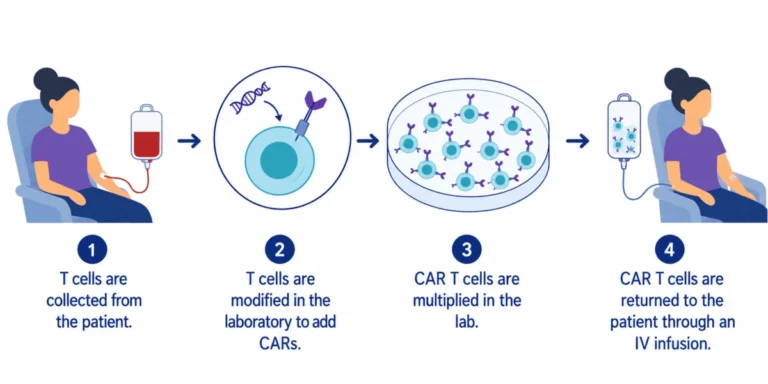
The link between these two women is not merely coincidental; it is the physical embodiment of the progress made in oncology. Immunotherapy represents a paradigm shift in how we treat cancer. Unlike traditional chemotherapy, which attacks rapidly dividing cells, immunotherapy works by empowering the body’s own immune system to recognize and eliminate malignant cells.
The Evolution of Care
- Early Phase: When Sharon participated in her clinical trial, the mechanisms of checkpoint inhibitors were in their infancy. The success rate was low, and the side effects were often as unpredictable as the disease itself.
- The Modern Era: By the time Jenney required treatment, the scientific community had refined these protocols. The "breakthrough" that Sharon helped pioneer had evolved into a standardized, life-saving protocol.
The data suggests that for melanoma patients, the introduction of immunotherapy has moved survival rates from single digits to significant long-term remission. This is not just a statistical improvement; it is the difference between a life cut short and a life lived to its natural conclusion.
Official Perspectives: The "Worst Club, Best Members"
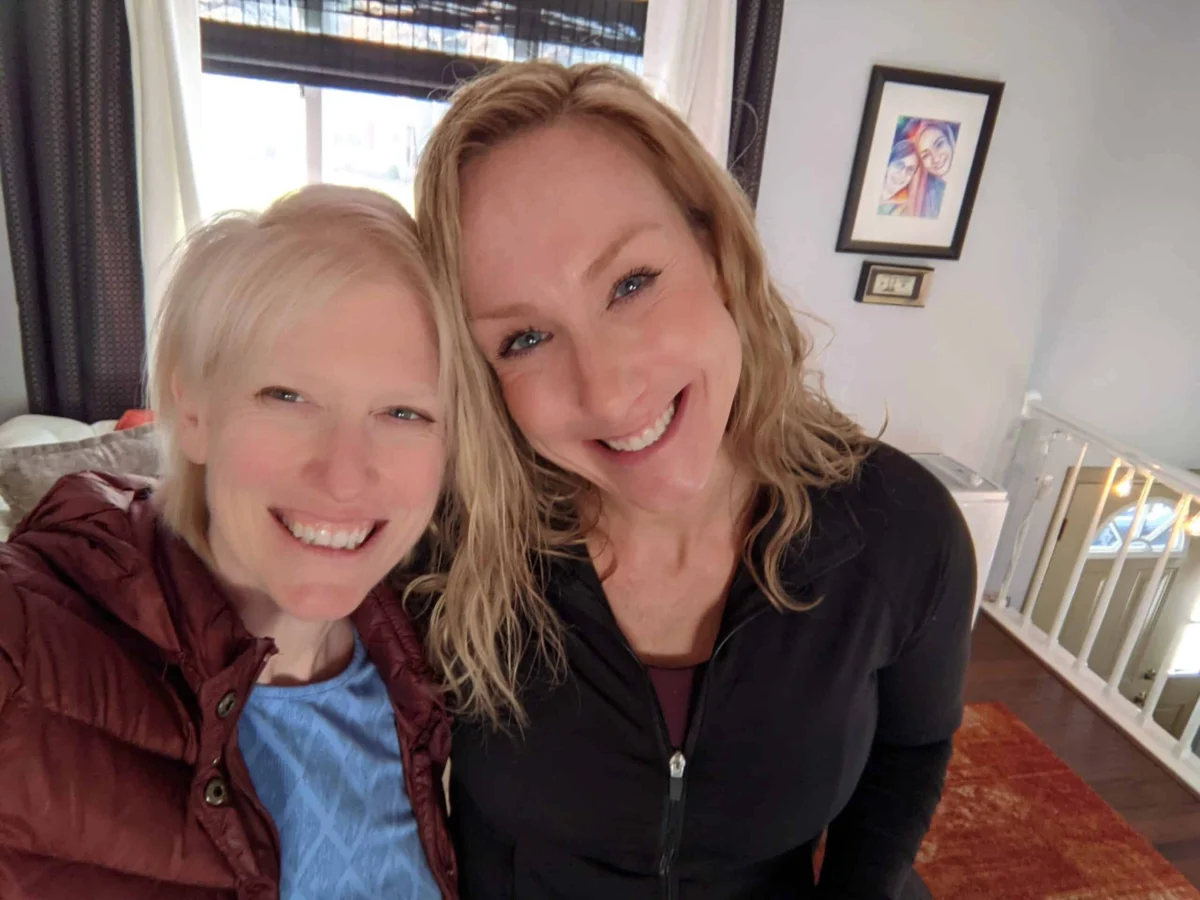
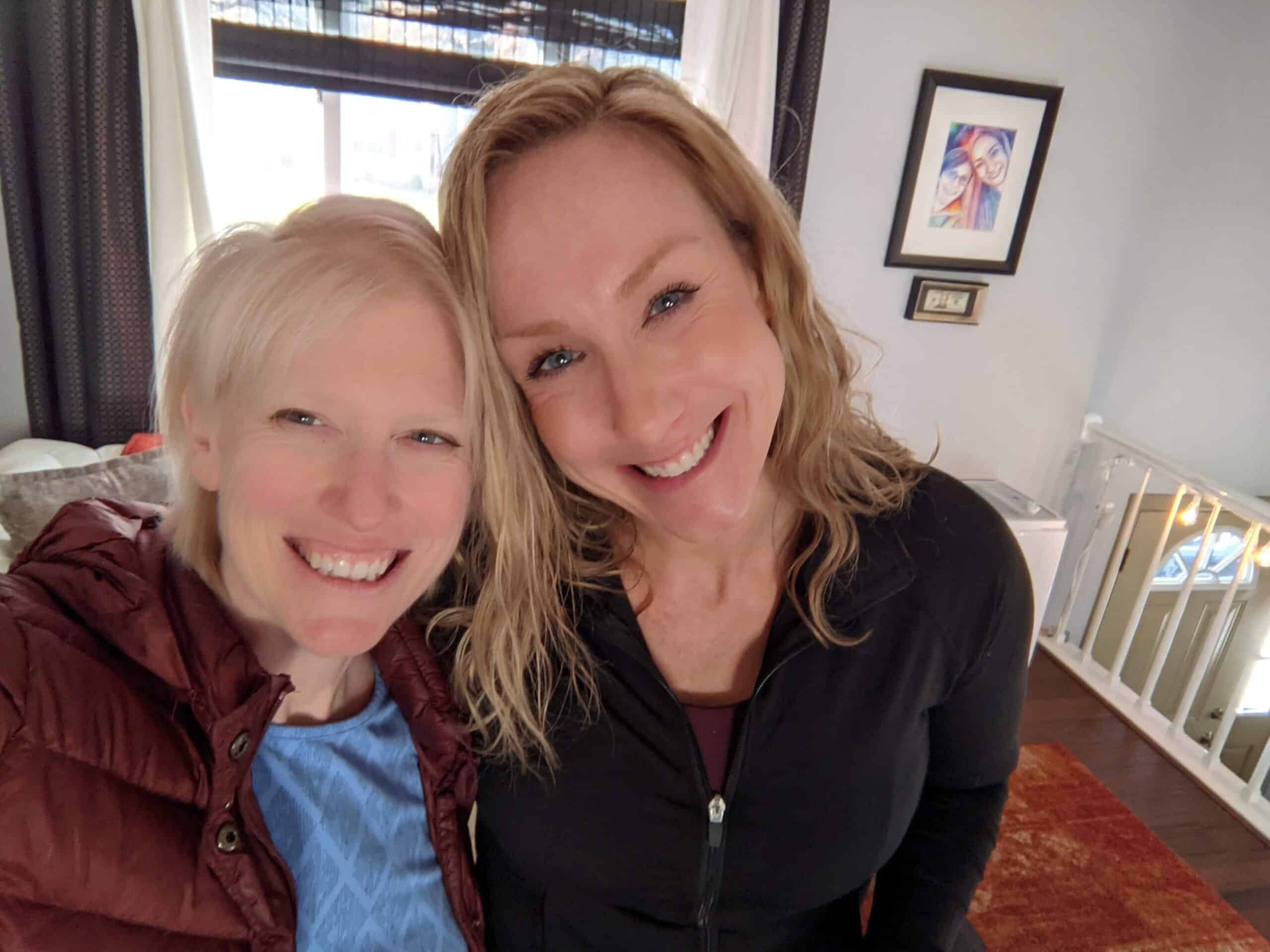
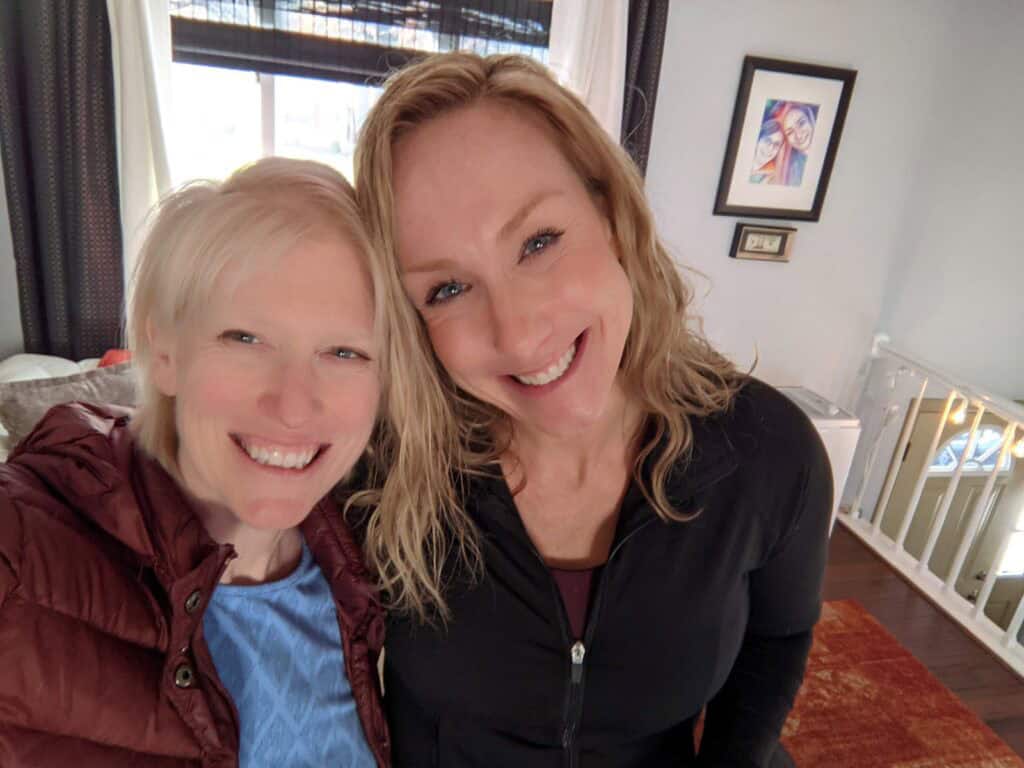
The meeting between Sharon and Jenney was facilitated by the very technology that saved them. After Jenney’s husband watched a documentary titled Breakthrough—which chronicled the life and work of Nobel laureate Jim Allison—he discovered that Sharon, the film’s featured patient, was from their small town.
When they finally connected, there was no need for the awkward, clinical explanations that often define the patient experience. As Sharon noted, "I call it finding your family. It’s the family you get to choose. It’s the worst club with the best members."
The Emotional Landscape of Survivorship
Experts in psycho-oncology emphasize that physical remission is only half the battle. Survivorship is a complex, ongoing process of reintegration.
- The Weight of Memory: Survivors often struggle with the "scans that linger," referring to the anxiety that precedes routine follow-up appointments.
- The Shift in Perspective: As Jenney noted, "I feel like I did not appreciate life until it was almost gone, and now every day is a gift, no matter how mundane."
- The Advocacy Role: Both women have transitioned into advocates, providing the emotional scaffolding for other patients who feel isolated by their diagnosis.
Implications for Future Cancer Research
The stories of Sharon and Jenney illustrate the necessity of the "bench-to-bedside" pipeline. Clinical trials are often viewed through a lens of cold data, but the reality is that every participant in a trial is a human being taking a risk for a future they may not even inhabit themselves.
Why Clinical Trials Matter
- Accelerating Discovery: Without the patients who volunteered for early immunotherapy trials in the early 2000s, the current standard of care would not exist.
- Addressing Inequity: The connection between Sharon and Jenney highlights the importance of patient networks. When survivors share their experiences, they demystify the treatment process, making it more accessible and less intimidating for new patients.
- Long-Term Survivorship: We are entering an era where we must study the long-term impacts of cancer, not just as a disease, but as a defining life experience. Survivorship programs are increasingly vital in helping patients manage the "residual trauma" of a cancer journey.
Conclusion: More Than Just Survival
"I don’t know how a cancer diagnosis doesn’t shape every single conversation and relationship for the rest of your life," Jenney once remarked. This sentiment serves as the heartbeat of their collective mission.
Survival, for these two women, is not a neat, clean finish line. It is a continuation, a narrative that carries the weight of what was almost lost. It is the conscious choice to lean into the life in front of them, even when the shadow of the past looms large.
Sharon and Jenney represent the ultimate goal of modern medical science: not just the eradication of disease, but the restoration of life. They are the proof that when research is prioritized and when the human spirit is supported by medical innovation, the "impossible" can become the "ordinary." They are living, breathing evidence that for those who survive, there is always more to come: more mornings, more laughter, more milestones, and, ultimately, more life.