










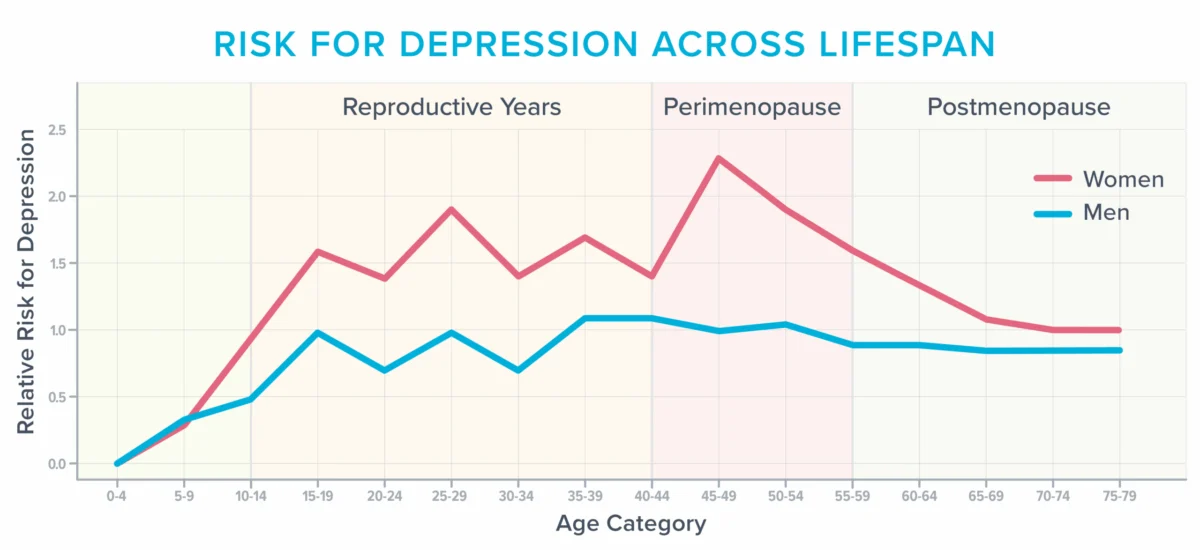
For many women in their late 40s and early 50s, the experience of daily life begins to shift in subtle, unsettling ways. It starts with the "tip-of-the-tongue" phenomenon—that frustrating inability to recall a common noun or the name of a familiar restaurant—before spiraling into a pervasive, heavy cognitive haze. For years, these symptoms were dismissed as the inevitable byproduct of a busy life or "just aging." However, a growing body of research suggests that this "sludginess" is not a character flaw or an early sign of cognitive decline, but rather a profound physiological response to the menopausal transition.
The Anatomy of the Haze: A Personal Chronology
The experience of the author—who spent two years cycling through various misdiagnoses, from treatment-resistant depression to generalized anxiety—serves as a cautionary tale for the modern healthcare landscape. After multiple failed attempts at antidepressant therapy and sleep aids, the breakthrough arrived not through a psychiatric evaluation, but during a routine gynecological checkup.
When the author mentioned vaginal dryness, the clinician shifted the focus toward a broader assessment of systemic health: sleep quality, energy levels, mood fluctuations, and the presence of "brain fog." This pivot revealed that the patient was not suffering from a primary mental health disorder, but was instead navigating the hormonal shifts of menopause. Upon beginning hormone therapy (estradiol and progesterone), the "switch" was flipped. Within days, cognitive clarity returned, work capacity normalized, and the debilitating insomnia that had fueled the fog evaporated.
The Science of Vasomotor Symptoms
Menopause is not a disease; it is a significant life stage—a transition marked by the permanent cessation of menstrual cycles after 12 consecutive months. As estrogen levels fall, the hypothalamus—the brain’s internal thermostat—becomes hypersensitive. This leads to vasomotor symptoms (VMS), commonly known as hot flashes and night sweats.
While previously viewed as mere inconveniences, modern neurobiology views VMS as a potential marker for vascular and neurological changes. During a hot flash, norepinephrine and cortisol levels spike, blood vessels dilate, and heart rate increases. Emerging research suggests these physiological surges may be linked to "whole-brain white matter intensities"—small, patchy lesions on the brain often associated with future risks of stroke or cognitive decline. Furthermore, studies indicate that women who report frequent, severe hot flashes often demonstrate a reduced ability for blood vessels to dilate, suggesting that vasomotor symptoms are a systemic issue affecting cardiovascular and brain health.
The "Sleep-Mood" Feedback Loop
A critical, often overlooked aspect of menopause is the disruption of the sleep architecture. Many women experience "night sweats" that are not overtly sweaty. Instead, a sudden surge in stress hormones jolts the brain awake. Because the heat dissipates quickly, the woman may wake up feeling anxious and alert without remembering why.
These chronic micro-awakenings prevent the brain from consolidating memories and metabolizing metabolic toxins. The hippocampus, responsible for learning and memory, loses connectivity, while the amygdala—the brain’s emotional processing center—becomes hyper-reactive. This creates a vicious cycle: the woman feels more irritable, anxious, and cognitively taxed, which is then frequently misdiagnosed as depression.
Diagnostic Challenges and the "Defensive Medicine" Barrier
A major hurdle in addressing these symptoms is the standard clinical approach to mental health. The PHQ-9 (Patient Health Questionnaire) is the gold standard for diagnosing depression, yet four of its core criteria—fatigue, sleep disturbance, difficulty concentrating, and psychomotor agitation—are direct hallmarks of menopausal sleep deprivation.

Compounding this is a significant gap in medical education. Surveys indicate that 80 percent of medical residents feel "barely comfortable" discussing menopause, and few receive formal training in its management. Many practitioners engage in "defensive medicine," avoiding hormone therapy (HT) due to outdated fears stemming from early 2000s studies that highlighted risks without proper context. However, current consensus—supported by the Menopause Society—suggests that for women under 60 who are within 10 years of the onset of menopause, the benefits of hormone therapy in preventing osteoporosis and cognitive decline often significantly outweigh the risks.
Strategic Advocacy: Navigating the Healthcare System
For women seeking relief, advocacy is essential. Dr. Jerrold H. Weinberg and researchers at Precision Nutrition suggest a multi-step approach to reclaiming one’s health:
- Seek Specialized Care: Use directories from the Menopause Society to find certified practitioners.
- Quantify the Experience: Do not rely on vague statements like "I don’t sleep well." Use data. Track the number of awakenings, the time of night, and the frequency of hot flashes.
- Shared Decision-Making: Initiate a conversation that includes the pros and cons of hormone therapy. Ask, "What are the specific risks for my medical history versus the potential gains in my cognitive function and bone health?"
Lifestyle Interventions: Beyond the Hormone Patch
While hormone therapy can be transformative, lifestyle foundations remain the bedrock of health during this transition.
- Creatine Supplementation: Emerging research suggests 5 to 7 grams of daily creatine monohydrate can help offset age-related muscle loss and potentially bolster brain function during periods of sleep deprivation.
- Circadian Regulation: Morning sunlight exposure is non-negotiable. It helps anchor the biological clock, facilitating better sleep at night and increased alertness during the day.
- Exercise Modification: Middle age is not the time to push through extreme exhaustion. High-intensity training should be balanced with "Zone 2" cardio and restorative movement like yoga to avoid spiking cortisol levels further.
- Dietary Shifts: Adopting MIND or Mediterranean eating patterns—rich in leafy greens, omega-3 fatty acids, and nitrate-rich vegetables like beets—supports vascular health, which is critical for brain perfusion.
The Existential Opportunity
Ultimately, the menopausal transition forces a radical re-evaluation of how one spends their limited mental and physical bandwidth. For many, the "fog" serves as a catalyst to prune unnecessary responsibilities. It is a time to move from "doing it all" to "doing what matters."
By stripping away the non-essential—the excessive work hours, the perfectionist domestic standards, and the fear of saying "no"—women can create a life structure that respects their physiological reality. The goal of this transition is not just to survive the hormonal shift, but to emerge with a renewed sense of purpose and a clearer understanding of one’s own limits.
As the author’s experience illustrates, when the brain is properly supported—through medical intervention, strategic lifestyle changes, and the courage to advocate for one’s own needs—the "garbage" under which our thoughts were buried can be cleared. The result is not just a return to a former self, but the emergence of a new, more discerning, and self-assured individual who has learned, finally, how to prioritize the things that matter most.
References
The information provided in this article is based on peer-reviewed research regarding menopausal physiology, cognitive health, and current clinical guidelines from the Menopause Society and the American College of Obstetricians and Gynecologists. For a comprehensive list of the studies mentioned, including data on hormone replacement therapy, neuroimaging of vasomotor symptoms, and sleep architecture, please visit the original source documentation provided by Precision Nutrition.