










For decades, the standard medical advice for patients recovering from a heart attack or acute chest pain has been singular and unwavering: "Exercise more." While the benefits of structured, moderate-to-vigorous physical activity are indisputable, new research suggests that doctors may have been overlooking a silent, pervasive risk factor lurking in the hours between workouts: sedentary behavior.
A groundbreaking study published today in the American Heart Association’s (AHA) peer-reviewed journal Circulation: Cardiovascular Quality and Outcomes reveals that patients who remain sedentary for more than 14 hours a day face a significantly higher risk of a secondary cardiovascular event or death within the first year of their recovery. The findings challenge the traditional "exercise-only" model of cardiac rehabilitation, suggesting that the path to recovery may be paved by simply sitting less and moving more throughout the day.
The Silent Risk: Defining the Sedentary Trap
The research, led by Dr. Keith Diaz, the Florence Irving Associate Professor of Behavioral Medicine at Columbia University Medical Center, shifts the spotlight from what patients do during their thirty minutes of intentional exercise to what they do during the other 23.5 hours of the day.
"Current treatment guidelines after a cardiac event focus mainly on encouraging patients to exercise regularly," Dr. Diaz explained. "In our study, we explored whether sedentary time itself—independent of exercise—may contribute to cardiovascular risk."
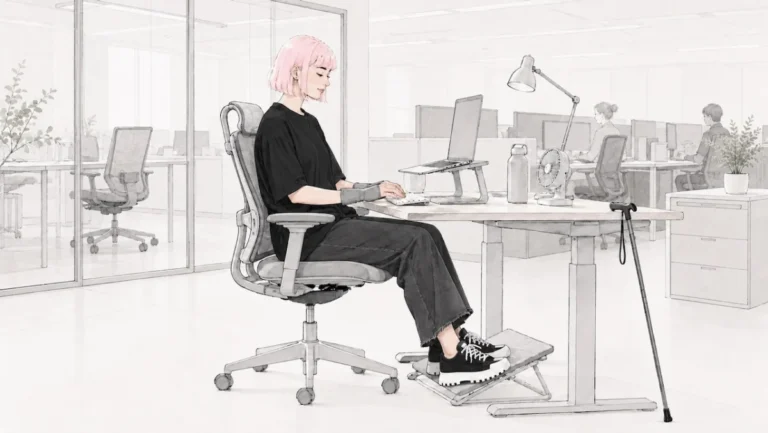
Sedentary behavior is defined as any waking activity that involves little to no physical movement. While many assume that a person who hits the gym for 45 minutes is "active," the reality for many heart attack survivors is vastly different. Previous research conducted by Dr. Diaz’s team indicated that cardiac patients often spend 12 to 13 hours a day in a sedentary state. By extending that window to 14 hours or more, patients enter a high-risk category that drastically increases their vulnerability to subsequent health crises.
Methodology: Tracking Movement with Precision
To move beyond the limitations of self-reported surveys—which are notoriously unreliable due to human memory bias—the researchers employed objective technology. Over 600 adults, ranging in age from 21 to 96, were recruited following emergency department treatment for heart attacks or chest pain at a New York City hospital system.
Upon discharge, participants were outfitted with wrist accelerometers. Unlike simple step counters, these devices measure the acceleration of motion in three dimensions: forward-backward, side-to-side, and up-down. This high-fidelity data allowed researchers to differentiate between light-intensity activity (such as gentle household chores or slow walking) and moderate-to-vigorous activity (such as brisk walking, running, or heavy yardwork).
The participants wore these devices for a median of 30 days. Researchers then tracked their health outcomes over the subsequent year using a combination of electronic health records, phone surveys, and the Social Security Death Index to document any repeat cardiac events or mortality.
The Surprising Power of Light Movement and Sleep
The results of the study offer a refreshing and highly actionable message for patients who may feel intimidated by the prospect of rigorous post-heart-attack exercise programs. The data suggests that the "all or nothing" approach to activity is not only unnecessary but potentially counterproductive.
Replacing Sedentary Time
The study found that swapping just 30 minutes of sedentary behavior for light-intensity physical activity—such as tidying the house, slow strolling, or cooking—was associated with a dramatic reduction in the risk of a secondary cardiac event.
Bethany Barone Gibbs, Ph.D., professor and chair of the Department of Epidemiology and Biostatistics at the School of Public Health at West Virginia University, emphasized the magnitude of this finding. "This study found that replacing sedentary time with light-intensity activities was nearly as beneficial as moderate-to-vigorous intensity physical activities," she noted. "Replacing just 30 minutes of sedentary behavior with any intensity of physical activity more than halved the risk of having a cardiac event over the one-year follow-up."
The Role of Restorative Sleep
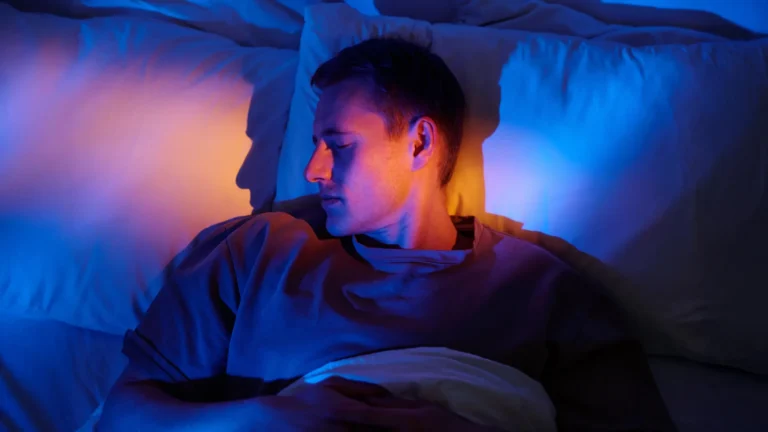
Perhaps most surprising was the discovery that replacing sedentary time with sleep also lowered cardiovascular risk.
"We were surprised that replacing sedentary time with sleep also lowered risk," Dr. Diaz stated. "Sleep is a restorative behavior that helps the body and mind recover, which is especially important after a serious health event like a heart attack."
This finding aligns with the American Heart Association’s "Life’s Essential 8," a framework for cardiovascular health that places sleep duration and quality on the same pedestal as diet, exercise, and blood pressure management. With heart disease remaining the leading cause of death in the United States—outpacing all forms of cancer and chronic respiratory diseases combined—the inclusion of sleep as a "preventative" tool is a significant shift in cardiometabolic thinking.
Implications for Clinical Practice
The implications for healthcare professionals are clear: the conversation with patients needs to evolve. Instead of simply prescribing a structured exercise regimen, clinicians should adopt a "sit less, move more" strategy.
This approach is particularly vital for patients who face barriers to traditional, high-intensity exercise. Many post-cardiac patients suffer from fatigue, physical weakness, or psychological anxiety that makes the idea of joining a gym or running on a treadmill overwhelming. By validating that "light" movement—playing with a dog, gardening, or walking at a slow pace—is clinically significant, doctors can empower patients to take small, sustainable steps toward recovery.
"We hope these findings support health professionals to move toward a more holistic, flexible, and individualized approach for physical activity in patients after a heart attack or chest pain," Dr. Diaz concluded.
Study Limitations and Future Directions
While the research provides a compelling argument for lifestyle modification, the authors were transparent about the study’s limitations.
First, the definition of sedentary behavior used in the study was based exclusively on the intensity level of physical movement. Consequently, the researchers acknowledged that they might have overestimated the time participants spent being sedentary, as the accelerometers could not distinguish between someone sitting still and someone lying down resting.
Second, the study lacked granular data on social and environmental determinants of health. Information regarding the participants’ income levels, neighborhood safety, or access to green spaces was not collected. These factors are known to influence both the ability to engage in physical activity and the overall risk of cardiac events. Furthermore, the researchers did not account for the specific setting of the patients’ recovery—such as whether they were sent home, referred to a skilled nursing facility, or enrolled in formal cardiac rehabilitation programs.
Despite these limitations, the study represents a crucial step forward in understanding the "activity spectrum" of recovery.
Conclusion: The Path Forward
The "sit less, move more" mantra is not just a slogan; it is a scientifically backed prescription for survival. For the millions of individuals who navigate the fragile year following a cardiac event, the findings from the American Heart Association offer a sense of agency.
One does not need to become an elite athlete to protect their heart. The path to long-term health is found in the simple, everyday transitions: standing up while on the phone, taking a short stroll after a meal, or prioritizing an extra 30 minutes of restorative sleep. By weaving these micro-habits into the fabric of daily life, patients can significantly lower their risk of returning to the emergency room, proving that the smallest movements can lead to the most significant gains in cardiac health.