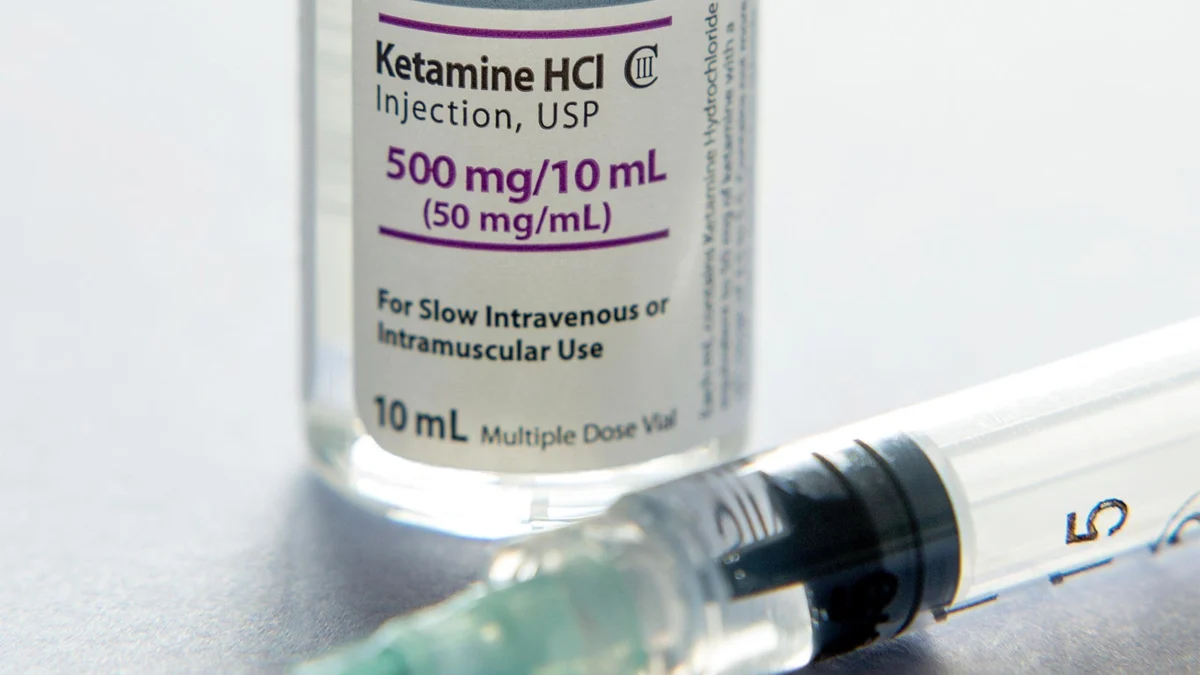
In a landscape where therapeutic options for bipolar depression remain stubbornly limited, a new randomized controlled trial has provided what experts are calling some of the most compelling evidence to date for the efficacy of intravenous ketamine. The study, published in JAMA Psychiatry, suggests that for patients suffering from treatment-resistant bipolar disorder, a series of ketamine infusions could provide a vital, second-line intervention when traditional mood stabilizers and antipsychotics fail to provide relief.
The Core Findings: A Shift in the Treatment Paradigm
For the 63 adult outpatients who participated in the Ket-BD study, the results were more than just statistical noise; they represented a potential lifeline. Researchers found that patients who received four infusions of ketamine over a two-week period experienced a significantly greater reduction in depressive symptoms compared to those who received midazolam, an active placebo often used in such trials to mimic the sedative effects of ketamine.
The primary measure of success was the Montgomery-Åsberg Depression Rating Scale (MADRS), a gold-standard assessment for symptom severity. By day 14, the group treated with ketamine showed a mean MADRS score reduction that was 7.3 points lower than the control group—a difference that reached statistical significance (P=0.003). Perhaps most encouraging was the durability of the effect; the therapeutic benefit persisted for at least one week following the final infusion, suggesting that the physiological impact of the drug outlasts its immediate presence in the bloodstream.
Chronology: From Concept to Clinical Reality
The path to this discovery was paved with decades of scientific inquiry into the neurobiology of mood disorders. While ketamine’s rapid-acting antidepressant effects have been documented in unipolar depression for years, the psychiatric community has historically been hesitant to apply the same rigor to bipolar disorder due to the fear of "switching"—the risk that an antidepressant might trigger a manic or psychotic episode.
The Research Timeline
- Early Conceptualization: For years, proof-of-concept studies suggested that ketamine’s NMDA-receptor antagonism might work differently than traditional monoamine-based antidepressants.
- July 2022: The Ket-BD study officially launched across three clinical sites in Ontario, Canada. The objective was clear: to test the drug in a controlled, randomized environment using a full course of treatment rather than a single dose.
- November 2025: The trial concluded, having followed 63 participants—a cohort characterized by high levels of treatment resistance. All participants had documented histories of at least two failed trials of evidence-based pharmacotherapies.
- The Present: With the publication in JAMA Psychiatry, the study stands as the first randomized, active-comparator trial to demonstrate that a full course of ketamine can be administered safely to patients with bipolar disorder without inducing mania.
Supporting Data: Why This Study Matters
The rigor of the Ket-BD study lies in its design. One of the most significant challenges in ketamine research is "blinding"—because ketamine has noticeable psychoactive effects, participants often guess whether they have received the drug or a saline placebo, which can skew self-reported outcomes.
The "Blinding" Breakthrough
Lead author Dr. Joshua D. Rosenblat, of the University Health Network in Toronto, emphasized that this study achieved a level of effective blinding that has eluded previous research. Only 47% of participants correctly identified which study arm they were in. By using midazolam—which provides a sedative effect—the researchers successfully masked the identity of the treatment, proving that the antidepressant response was not merely a result of the "placebo effect" or the patient’s expectation of improvement.
Comparative Efficacy
The data regarding response and remission rates were stark:
- Response Rate (>50% reduction in MADRS): 35.3% in the ketamine group vs. 11.8% in the midazolam group.
- Remission Rate (MADRS <13): 17.6% in the ketamine group vs. 8.8% in the control group.
Importantly, the safety profile was exemplary. There were no reported cases of treatment-emergent mania, psychosis, or suicide attempts during the study period. In both the treatment and control groups, only one patient exhibited subthreshold hypomanic symptoms, effectively silencing the long-standing concern that ketamine might be inherently destabilizing for those with bipolar pathology.
Perspectives from the Field: Expert Analysis
The medical community has received these findings with a mix of validation and tempered enthusiasm. Dr. Alan F. Schatzberg, a psychiatrist at Stanford Medicine, noted that the results were largely expected given the mechanisms at play, but the clear, objective difference between the drug and the control group is a significant milestone.
"The re-emergence of symptoms after the treatment stopped is actually a strong indicator of the drug’s biological impact," Dr. Schatzberg explained. "It proves that the relief was tied to the presence of the medication’s effect on the brain’s glutamate system, rather than a transient psychological state."
Dr. Greg Rhee, a pharmacoepidemiologist at the Yale School of Medicine, underscored the strength of the study’s design. "While 100% blinding is an elusive goal in psychoactive drug research, this study was performed with an exceptional level of rigor. It provides the kind of data that regulators and clinical guidelines committees look for when evaluating whether to shift standard-of-care practices."
Implications: A New Second-Line Option?
The implications of this study for clinical practice are profound. Currently, ketamine lacks FDA approval for any psychiatric indication in the U.S., though the related compound esketamine (Spravato) is approved for treatment-resistant unipolar depression. Outside of these narrow approvals, patients are often left to navigate a patchwork of "off-label" clinics with varying levels of oversight.
Moving the Needle
Dr. Rosenblat hopes that the publication of this data will encourage policymakers and insurance providers to re-evaluate the access hurdles that currently prevent patients from receiving ketamine therapy. For a patient who has failed two or more rounds of mood stabilizers, the current reality is often a cycle of hospitalization and despair. If ketamine can be safely integrated into the standard treatment algorithm as a second-line therapy, it could drastically reduce the burden of refractory bipolar depression.
Limitations and Future Directions
Despite the excitement, the research team remains cautious. The study’s primary limitation—a relatively small sample size of 63 participants—means that while the results are statistically significant, they must be replicated in larger, multicenter phase III trials before the medical community can definitively update clinical guidelines. Furthermore, the lack of long-term follow-up data leaves an open question regarding how many maintenance doses might be required and what the long-term safety profile looks like over several years of administration.
Conclusion: A Hopeful Horizon
As it stands, the Ket-BD study provides the most convincing evidence to date that ketamine is not just a "quick fix" for unipolar depression, but a legitimate therapeutic candidate for the more complex, often treatment-resistant landscape of bipolar disorder. By demonstrating that the drug can be administered safely—without the feared side effect of manic induction—the study has effectively removed one of the greatest barriers to its adoption.
For the millions of individuals living with bipolar disorder who have felt abandoned by traditional pharmacotherapy, these findings offer a rare glimpse of a brighter, more manageable future. As the medical establishment moves toward integrating these findings, the focus will now shift to standardizing protocols and ensuring that patients who need this intervention the most have the access and support required to benefit from it.
The era of viewing ketamine as a fringe treatment is likely coming to an end. In its place, a more nuanced, evidence-based understanding of its role in neuro-psychiatry is beginning to take root—a transition that promises to redefine how we treat some of the most challenging conditions in mental health.