





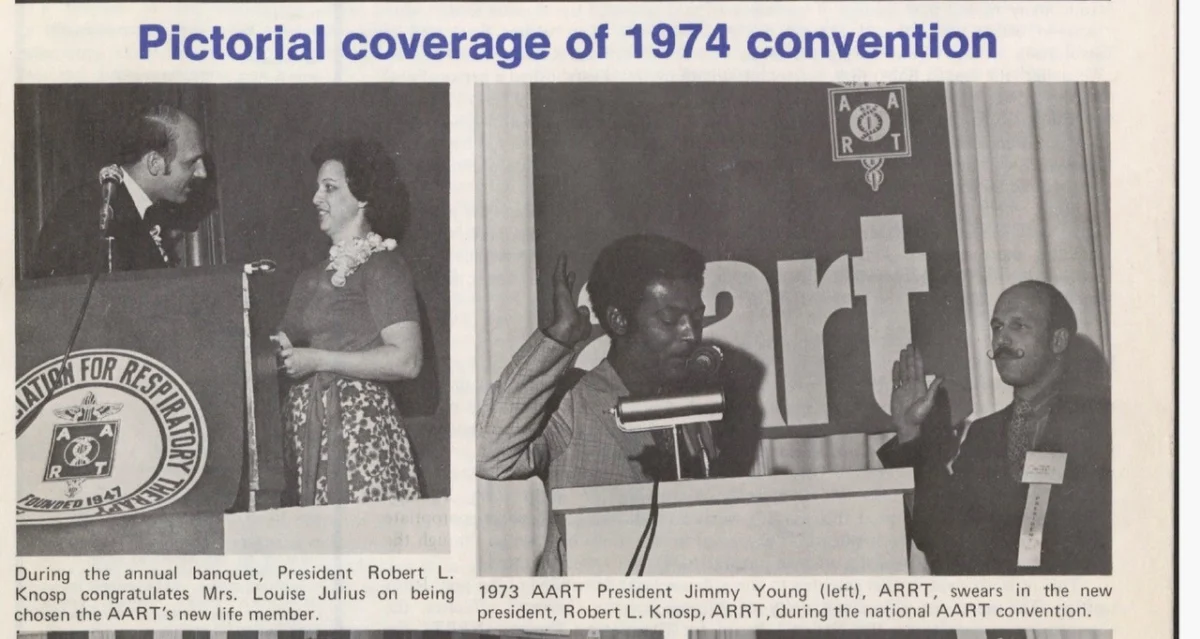
The American Association for Respiratory Care (AARC) has long served as the heartbeat of the respiratory profession, and at its center lies the Jimmy A. Young Award. Named in honor of the late AARC president whose life was defined by his tireless dedication to the field, this accolade stands as the highest individual honor the association bestows. It is reserved for those rare practitioners who have not only performed their duties but have fundamentally altered the trajectory of respiratory care through sustained, life-altering contributions.
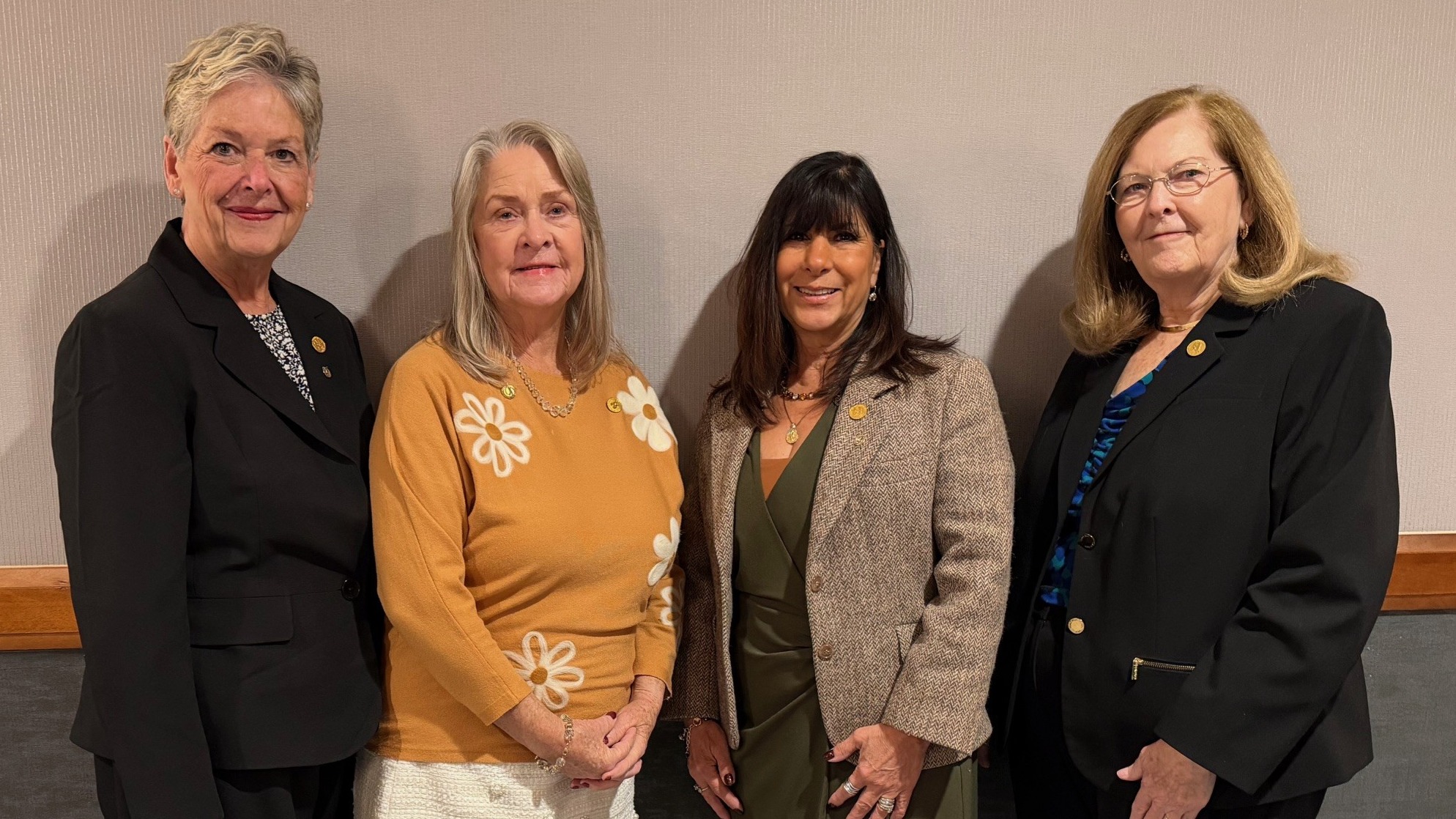
In a recent, deeply personal retrospective, Lisa Weisenberger, AARC Director of Content and Communications, facilitated a profound conversation with four of the five women to have ever received this prestigious honor: Dianne Lewis, MS, RRT, FAARC (2025); Trudy Watson, BS, RRT, FAARC (2018); Margaret Traband, MEd, RRT, FAARC (2011); and Teresa Volsko, MBA, MHHS, LSSBB, RRT, FAARC (2020). The discussion, which also acknowledged the legacy of the fifth recipient, Louise Julius (1988), serves as both a historical record and a masterclass in leadership for the next generation of respiratory therapists (RTs).
A Legacy of Service: The Foundation of Excellence
For these women, the journey toward the Jimmy A. Young Award was never motivated by the desire for accolades. Instead, it was fueled by a relentless commitment to service—often beginning in the trenches of local societies and clinical departments.
Dianne Lewis, the most recent recipient, reflected on the formative years of her career, which were defined by her work within the House of Delegates. Her contribution to the Clinical Practice Guidelines Steering Committee remains a cornerstone of modern respiratory care. "My group wrote and published the first clinical practice guideline for the association," Lewis noted. This achievement was not merely an administrative task; it was a watershed moment that helped standardize the delivery of care to patients across the United States, ensuring that geography did not dictate the quality of respiratory treatment.
Margaret Traband, who entered the profession in 1972, echoes this sentiment of local origin. "We began with our state societies," she explained. "You don’t do it looking for what else you need to check off a list to get an award. You’re just moving ahead where you think you can do the most good." This philosophy highlights a recurring theme among the recipients: true leadership in medicine is an organic byproduct of identifying a problem and refusing to look away until a solution is implemented.
Breaking the Glass Ceiling: A Shift in Leadership Culture
The history of the respiratory care profession is a mirror of the broader medical field, characterized by a transition from a male-dominated environment to a more inclusive, diverse landscape. While women constitute a significant majority of the current workforce, this was not always reflected in the upper echelons of professional leadership.
Teresa Volsko provided a striking contrast between the climate of the late 1970s and the current era. "In 1979, if you were invited to the table, you didn’t dare bring another woman up with you because there were only one or two seats," Volsko recalled. The scarcity of leadership positions fostered a culture of competition that discouraged collective advancement.
Today, that paradigm has been dismantled. The recipients highlighted that the modern era of respiratory care is defined by a culture of mentorship. The "zero-sum game" mentality has been replaced by an intentional effort to elevate peers. "Now we have the power to change that landscape from being competitive to really lifting each other up," Volsko added. This shift in culture is perhaps the most significant achievement of the women honored with the Jimmy A. Young Award; they did not just occupy seats at the table—they expanded the table itself.
Chronology of Influence: From the 1970s to 2025
The influence of these leaders spans five decades, creating a timeline of progress that mirrors the evolution of the AARC itself:
- 1970s – The Era of Standardization: Early leaders like Traband focused on building the professional infrastructure through state societies and initial clinical practice guidelines. This was a time of establishing the "ground rules" for the profession.
- 1988 – A Partnership of Pioneers: Louise Julius, alongside her husband John, received the award, signaling the importance of collaborative professional work and the recognition of spouses as partners in the advancement of respiratory care.
- 2011 – Professionalization and Pedagogy: By the 2010s, leaders were heavily involved in the academic and scientific rigor of the field, ensuring that the next generation of RTs were not just technicians, but evidence-based clinicians.
- 2018 – Advocacy and Institutional Trust: Trudy Watson’s recognition underscored the necessity of inter-organizational cooperation, emphasizing the need for RTs to be visible and trusted in broader health systems like the American Lung Association.
- 2020/2025 – Global Impact and Systemic Change: With Volsko and Lewis, the focus has shifted toward systemic innovation, quality improvement, and ensuring that the profession remains resilient in the face of global health crises.
A Roadmap for the Next Generation
When asked for counsel for those entering the field, the four leaders distilled their decades of experience into a pragmatic roadmap for success. Their advice serves as a bridge between the foundational principles of the past and the challenges of the future.
1. Master the Art of Networking
Trudy Watson emphasized that clinical competence is only half the battle. "Get involved so your name is known and you are trusted within your own organization," she advised. She advocates for active participation in hospital committees and external organizations. Networking, in this context, is not about self-promotion; it is about building a reputation of reliability that allows one to influence policy and patient outcomes more effectively.
2. The Virtue of Being Over-Prepared
Margaret Traband’s advice is rooted in the rigorous intellectual traditions of the 1970s. She fondly recalled the "Journal Clubs" where therapists debated the latest clinical research. "Being over-prepared is status quo for most of us," she noted. In a high-stakes environment where a patient’s life often hangs in the balance, there is no substitute for deep, clinical knowledge. To "come off half-prepared" is a luxury that the respiratory profession cannot afford.
3. Lead from the Bedside
Perhaps the most empowering message came from Teresa Volsko, who cautioned against the common misconception that leadership is reserved for those with administrative titles. "Don’t let the fact that you have the title of a clinical respiratory therapist stop you from doing great things," she urged. "Lead where you are." This emphasizes that the true leaders of the profession are often the ones providing direct care, as they are the ones closest to the pulse of patient needs.
Challenges on the Horizon: Burnout and Workforce Sustainability
Despite the progress made, the profession faces significant headwinds. Dianne Lewis highlighted the "dual reality" of the field: the demand for respiratory therapists is expected to explode over the next decade, yet the pipeline for new talent is under pressure.
Trudy Watson identified the critical bottleneck of "finding the students to fill the seats in the classroom." Without a robust educational strategy to replenish the workforce, the growth of the profession may be stifled by a lack of personnel.
Furthermore, the post-pandemic era has left a mark on the collective psyche of the healthcare workforce. Burnout is a genuine threat to the longevity of new practitioners. In addressing this, Margaret Traband offered a profound, humanistic reminder: "The further away you get from the bedside, the less positive reinforcement happens." She encouraged therapists to reclaim their sense of purpose by consciously reflecting on their impact. "Take the time to reflect at the end of the day. Know that you’ve alleviated breathlessness and calmed patients. Steep in that moment."
Implications for the Future of Respiratory Care
The Jimmy A. Young Award is far more than a physical trophy or a line on a resume; it is a symbol of professional endurance. The women who have received this honor have shown that the future of respiratory care relies on a specific blend of traits: rigorous clinical excellence, a commitment to mentorship that reaches back to pull others forward, and the courage to advocate for the profession in arenas where it was historically overlooked.
As the healthcare landscape continues to evolve, the legacy of these four leaders provides a sturdy foundation. They have proven that whether through writing the first clinical practice guidelines or by creating environments where women can thrive alongside their peers, the act of leading is a daily practice. For the next generation of RTs, the path is clear: master your craft, build your network, and never underestimate the power of your presence at the bedside. The future of respiratory health, much like the history of the Jimmy A. Young Award, will be built by those who are willing to take their seat at the table.