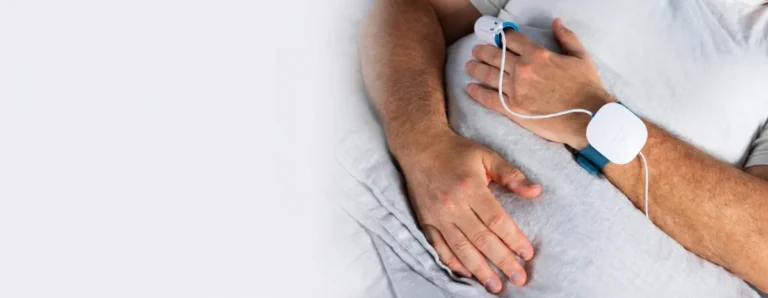











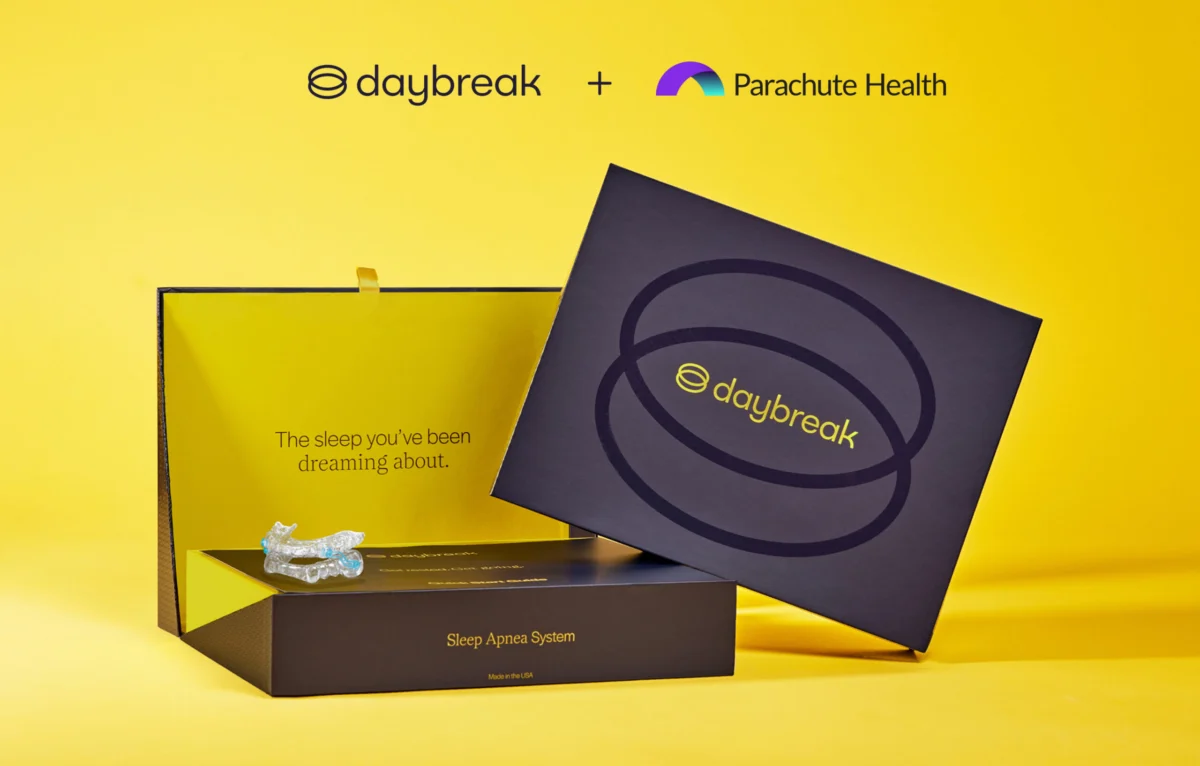
The journey from a clinical suspicion of obstructive sleep apnea (OSA) to the actual implementation of therapy has long been plagued by administrative friction, fragmented communication, and significant delays. Today, a major shift in the digital health landscape aims to dismantle these barriers. Daybreak, a leader in at-home diagnostic and therapeutic solutions for sleep disorders, has officially announced a strategic integration with Parachute Health, a prominent e-prescribing platform for home medical equipment (HME).
This collaboration represents a significant leap forward in telehealth integration, effectively folding the specialized workflow of oral appliance therapy into the standard, digitized processes already utilized by over 300,000 clinicians and thousands of health systems across the United States.
The Core Objective: Eliminating Clinical Fragmentation
Obstructive sleep apnea is a pervasive health crisis, affecting millions of Americans. Despite its high prevalence, the condition remains significantly underdiagnosed and, perhaps more critically, undertreated. Clinical experts have long pointed to the "pathway to care" as the primary culprit for this deficit.
Historically, a patient diagnosed with OSA would navigate a labyrinthine process: initial screening, formal sleep studies, securing a prescription, finding a qualified HME provider, and finally, undergoing the fitting process for therapy. This journey frequently stalled due to missing documentation, fax-based communication errors, and the inherent difficulty of coordinating between primary care physicians, sleep specialists, and medical equipment suppliers.
By integrating Daybreak’s end-to-end diagnostic and treatment solutions into the Parachute Health ecosystem, this new partnership aims to replace manual, error-prone workflows with a seamless digital interface. The goal is simple: reduce the "time to treatment" metric, which is a critical determinant of patient compliance and long-term health outcomes.
Chronology of a Digital Transformation
The path to this integration reflects the broader evolution of the digital health sector, which has moved from standalone telehealth apps to integrated, interoperable platforms.
- Phase I: The Rise of Specialized Telehealth. Daybreak established its reputation by offering a streamlined, at-home model for oral appliance therapy. By utilizing FDA-cleared mandibular advancement devices, the company bypassed the need for traditional, bulky CPAP machines for many patients, focusing instead on comfort and ease of use.
- Phase II: The Infrastructure Boom. Parachute Health emerged as the "digital backbone" for the HME industry. By creating a platform where clinicians could order medical equipment with the same ease as an electronic prescription for pharmaceuticals, Parachute bridged the gap between the exam room and the warehouse.
- Phase III: Strategic Alignment. Recognizing the need to scale their specialized care, Daybreak leadership sought a partner that already commanded the trust of the clinical community. The integration project involved mapping Daybreak’s unique clinical workflow—including impression kit distribution and virtual consultation scheduling—into the existing Parachute Health interface.
- Phase IV: Full Deployment. As of this month, the integration is fully live. Clinicians using Parachute Health can now initiate a Daybreak referral for OSA patients as part of their standard clinical workflow, eliminating the need for separate portals or manual document transfers.
Supporting Data and the Burden of OSA
To understand the necessity of this integration, one must look at the data surrounding sleep apnea. According to the American Academy of Sleep Medicine, millions of adults in the U.S. suffer from OSA, yet the vast majority remain undiagnosed.
The consequences of untreated sleep apnea are severe. Beyond the immediate symptoms of daytime fatigue and cognitive impairment, chronic OSA is a known contributor to hypertension, type 2 diabetes, stroke, and cardiovascular disease. The administrative burden on the healthcare system is equally significant. When a referral process takes weeks due to "back-and-forth" administrative tasks, patients often experience "referral fatigue"—they stop following up, and the treatment plan is abandoned before it even begins.
The Parachute Health platform currently services over 3,000 HME provider locations and 70,000 facilities. By plugging Daybreak into this network, the integration provides an immediate, scalable solution that could theoretically reach a massive percentage of the U.S. patient population currently struggling with access to sleep therapy.
Official Perspectives: Leadership Voices
The announcement was met with enthusiasm from both organizations, as both leadership teams see this as a critical step in democratizing access to specialized sleep care.
The Vision from Daybreak
Wesley Lones, founder and CEO of Daybreak, emphasized that the partnership is not just about technology; it is about patient outcomes. "Obstructive sleep apnea remains widely underdiagnosed and undertreated in the US, in part because the path from testing to treatment has historically been fragmented across multiple systems and providers," Lones noted in a press release. He further explained that the integration is a key component of their broader mission to simplify a therapy pathway that has long been disjointed for both patients and the clinicians who treat them.
The Perspective from Parachute Health
For Parachute Health, the inclusion of Daybreak represents a diversification of the types of therapies available on their platform. Rob Boeye, EVP and commercial leader for HME at Parachute Health, highlighted the company’s core philosophy: "Parachute strives to decrease the friction between prescribers, HME providers, and patients through our digital workflows. We are pleased to make Daybreak available to prescribers utilizing our platform."
The Workflow Efficiency Factor
Eric Mongeau, chief commercial officer of Daybreak, provided a practical look at how this changes the daily life of a physician. "Physicians already place HME orders through Parachute’s platform as part of their normal workflow, so a sleep apnea referral to Daybreak now works the same way," Mongeau said. "E-prescribing through Parachute Health turns what used to be a multi-day back-and-forth into a streamlined digital process."
Implications for the Future of Sleep Medicine
The implications of this integration extend far beyond a single partnership. It signals a shift in how "niche" medical treatments will be delivered in the future.
1. The Death of the "Fax" Era
The medical industry has notoriously relied on fax machines for decades to transmit orders to HME providers. This integration is a nail in the coffin for that antiquated practice. By utilizing a secure, digital-first approach, the risk of lost orders, illegible handwriting, and missing clinical data is virtually eliminated.
2. Democratization of Oral Appliance Therapy
Oral appliance therapy (OAT) has traditionally been a specialty field, often requiring patients to seek out specific dentists or sleep specialists who provide these services. By making Daybreak available through the same platform used for standard DME (Durable Medical Equipment) orders, primary care physicians can now confidently order OAT for their patients, effectively broadening the range of treatment options available in a standard clinical setting.
3. Improved Patient Adherence
Patient adherence to CPAP therapy is notoriously difficult to maintain due to the physical discomfort of masks and tubing. By simplifying the referral and procurement process for alternative therapies—such as Daybreak’s custom-fit mandibular advancement devices—the integration lowers the barrier to entry for patients who might otherwise refuse treatment. When the process is easy, the patient is more likely to engage.
4. Administrative Relief for HME Providers
HME providers often spend a disproportionate amount of time on the phone clarifying orders or tracking down missing clinical notes. The Parachute Health integration provides a unified digital pathway for requesting and receiving necessary documentation. This allows HME providers to focus on their primary mission: providing equipment and education, rather than chasing paperwork.
Conclusion: A New Standard for Care Coordination
The integration of Daybreak into the Parachute Health platform is a textbook example of how technology can solve systemic healthcare failures. By focusing on the "middle mile" of the patient journey—the gap between the diagnostic order and the equipment delivery—the two companies have created a model that is likely to be replicated by other specialized health services.
For the patient, the benefit is clear: a faster, more reliable, and less frustrating path to a better night’s sleep. For the provider, it means a more efficient workflow that allows for better patient care. As the healthcare industry continues to grapple with the demands of an aging population and rising chronic disease rates, innovations that prioritize connectivity and simplicity will be the ones that define the future of clinical practice.
Daybreak is currently live and accepting orders through the Parachute Health platform, marking a quiet but impactful revolution in how obstructive sleep apnea is managed in the United States. As this digital workflow matures, it is expected that wait times for therapy will decrease, and more importantly, the number of patients successfully transitioning from diagnosis to effective treatment will rise.